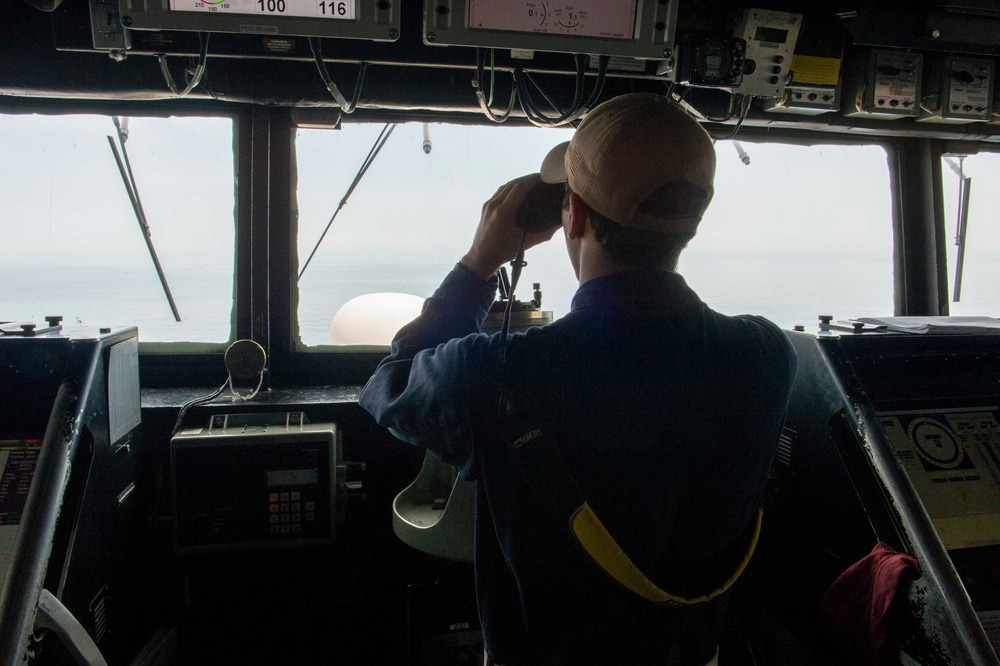
France and Japan have announced a joint coordination to enhance security in the Strait of Hormuz amid the ongoing war in Iran. This collaboration comes at a time of increasing tensions in the region that threaten international navigation.
The Strait of Hormuz is one of the most important maritime passages in the world, through which approximately 20% of the world's total oil passes. With escalating tensions in the region, both countries are seeking to ensure the safety of navigation and maintain the stability of global markets.
Details of the Coordination
In a move reflecting growing concerns over escalating tensions in the Middle East, both France and Japan emphasized the importance of cooperation in securing the Strait of Hormuz. This announcement follows a series of events in the region, including attacks on oil tankers and threats from armed groups.
Officials noted that this coordination will include enhancing military presence in the region, as well as sharing intelligence to ensure safe navigation. This collaboration reflects the desire of both nations to confront the security challenges facing the region.
Background & Context
Historically, the Strait of Hormuz has witnessed numerous crises, from the Iraq War in the 1990s to the current tensions between Iran and the United States. These crises have heightened concerns regarding the security of navigation in the strait, prompting major powers to take proactive steps to protect their interests.
In recent years, tensions in the region have escalated, particularly following the United States' withdrawal from the nuclear deal with Iran. This has led to an increase in military activities in the area, raising concerns about the stability of oil prices and their impact on the global economy.
Impact & Consequences
The French-Japanese coordination is seen as a significant step in addressing the security challenges in the Strait of Hormuz. This cooperation is expected to contribute to stabilizing the region, which would positively affect global oil markets.
Furthermore, this coordination may open the door for other countries to join international efforts to protect navigation in the strait, reflecting the importance of international cooperation in addressing security threats.
Regional Significance
The situation in the Strait of Hormuz directly affects Arab countries, as many of these nations rely on exporting oil through this vital passage. Therefore, any escalation in tensions could negatively impact Arab economies and increase the challenges they face.
In conclusion, the French-Japanese coordination underscores the importance of international cooperation in addressing security threats in the Middle East. These efforts are expected to continue enhancing security and stability in the strait, benefiting all concerned nations.