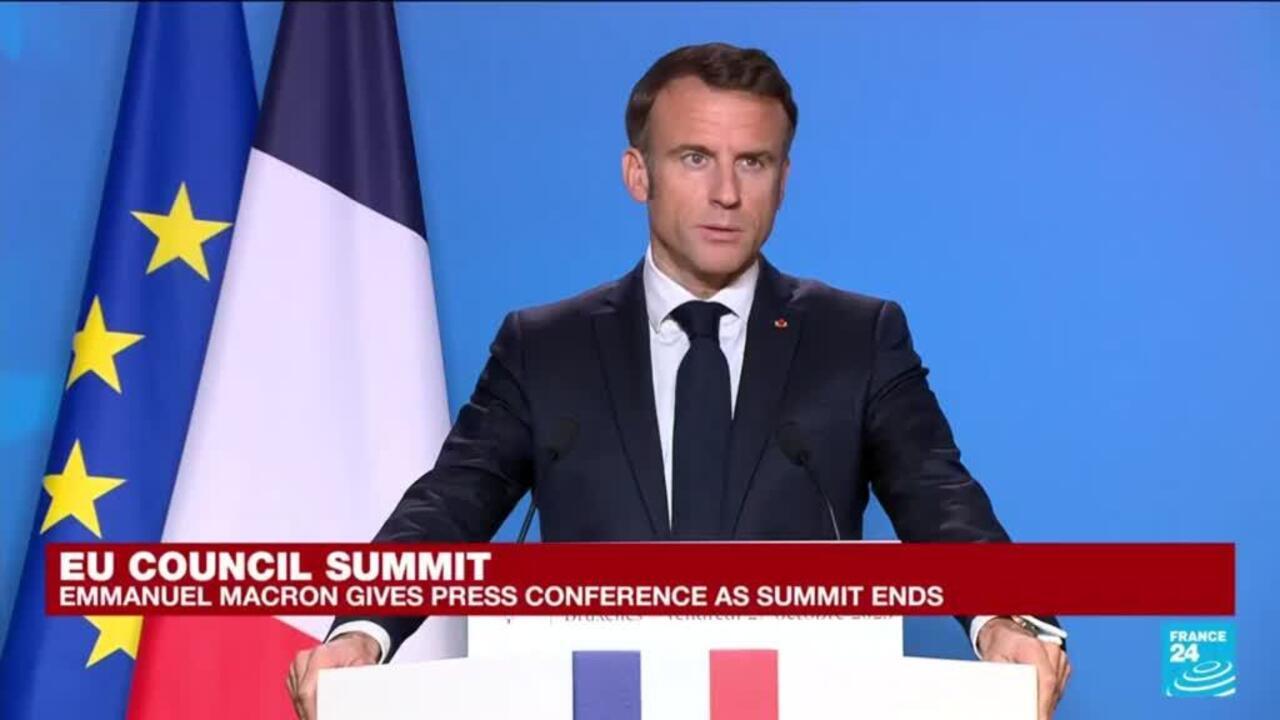
French President Emmanuel Macron and Japanese Prime Minister Sanae Takichi emphasized the importance of restoring freedom of navigation in the Strait of Hormuz during a joint press conference in the Japanese capital, Tokyo. They expressed their commitment to close cooperation between France and Japan to ensure the opening of this vital waterway.
These statements come at a time when the Strait of Hormuz is witnessing increasing tensions, as it is considered one of the most important maritime passages in the world, through which approximately 20% of the world's total oil passes. The region has seen multiple incidents in recent years that have affected maritime traffic, prompting major countries to consider new strategies to protect this corridor.
Details of the Event
During the press conference, Macron expressed his pleasure at meeting with the Japanese Prime Minister, highlighting the importance of enhancing cooperation between the two countries in light of changing global circumstances. He stressed the need for joint action to address the security and economic challenges facing the region, noting that freedom of navigation is one of the core issues that must be focused on.
For her part, Takichi reaffirmed Japan's commitment to supporting international efforts aimed at ensuring safe navigation in the Strait of Hormuz, emphasizing the importance of cooperation with France and other countries to achieve this goal. She indicated that Japan will continue to work with its international partners to enhance maritime security in the region.
Background & Context
The Strait of Hormuz, which separates Iran and Oman, is one of the most important maritime passages in the world, with approximately 17 million barrels of oil passing through it daily. In recent years, the strait has witnessed escalating tensions due to regional disputes, affecting maritime traffic and increasing fears of crises in oil supplies.
Historically, there have been several attempts by the international community to ensure freedom of navigation in this strait, but political and military tensions in the region often hinder these efforts. In this context, the statements by Macron and Takichi come as a positive step towards enhancing international cooperation in this area.
Impact & Consequences
Restoring freedom of navigation in the Strait of Hormuz has significant implications for the global economy, as any disruption to maritime traffic in this strait could lead to rising oil prices and increased economic tensions. Additionally, cooperation between France and Japan may encourage other countries to join international efforts to protect this vital corridor.
Moreover, strengthening cooperation among major countries in this field can contribute to greater stability in the region, potentially improving relations between competing nations and reducing the likelihood of new conflicts.
Regional Significance
Arab countries, especially those in the Gulf, are among the most affected by tensions in the Strait of Hormuz, as their economies heavily rely on oil exports through this passage. Therefore, any efforts to restore freedom of navigation in the strait are of utmost importance to these countries.
The cooperation between France and Japan in this area could open new avenues for international Arab cooperation, contributing to enhancing security and stability in the region. These efforts may also strengthen the position of Arab countries in international negotiations related to maritime security.
In conclusion, international cooperation in protecting freedom of navigation in the Strait of Hormuz is essential to ensure the stability of the global economy and regional security, requiring all concerned parties to work together to achieve this goal.