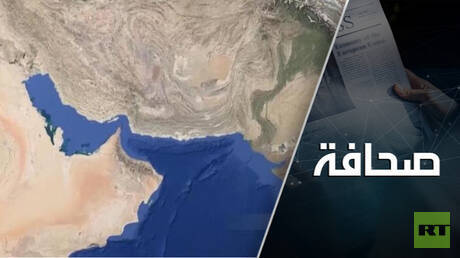
France voted against a resolution in the United Nations Security Council that permits the use of force to open the Strait of Hormuz, highlighting its distinct approach to the current tensions between the United States and Iran. The resolution aimed to ensure freedom of navigation in one of the world's most crucial waterways, yet France opted not to support this measure, raising questions about its strategy in the region.
This French position emerges as tensions escalate between Iran and the United States, with Washington seeking to exert greater pressure on Tehran. France, which plays a mediating role in various international issues, appears to be striving to maintain channels of dialogue with Iran, contrasting with the more hardline American approach.
Details of the Event
During the voting session, the resolution received backing from several countries, while France chose to vote against it, reflecting a divergence in strategies among traditional allies. The resolution aimed to enhance security in the Strait of Hormuz, which is considered a lifeline for global trade, as a significant portion of the world's oil passes through it.
France, which heavily relies on energy imports, understands the importance of maintaining stability in the region. Its stance also reflects a desire to avoid military escalation that could have dire consequences for the global economy.
Background & Context
Historically, the Strait of Hormuz has witnessed ongoing tensions, particularly amid regional conflicts and the influence of major powers. In recent years, tensions between Iran and the United States have intensified following Washington's withdrawal from the nuclear deal in 2018. This withdrawal led to increased economic pressures on Iran, prompting it to take escalatory steps in the region.
As part of the European Union, France seeks to uphold the nuclear agreement and avoid military escalation. Its position also reflects a desire to strengthen its role as a mediator in international disputes, potentially enhancing its standing in global politics.
Impact & Consequences
This vote could have significant implications for international relations, as it reflects a divergence in positions among traditional allies. It may also affect regional stability, as it could lead to heightened tensions between Iran and the United States.
If France continues on this path, it may find itself in a difficult position between supporting its traditional Western allies and its desire to maintain relations with Iran. This balance could be crucial in determining the future of international relations in the region.
Regional Significance
For Arab countries, this French stance may have direct implications for security and stability in the region. Many Gulf states rely on freedom of navigation in the Strait of Hormuz, and any escalation could impact oil supplies and energy prices.
Moreover, the divergence in positions among major powers could lead to increased regional tensions, necessitating that Arab states adopt more cautious stances in dealing with these sensitive issues.
In conclusion, France's position on the UN Security Council resolution regarding the Strait of Hormuz signals the challenges facing international politics amid rising tensions. It is essential to monitor developments in this context, as the impact could extend throughout the region.