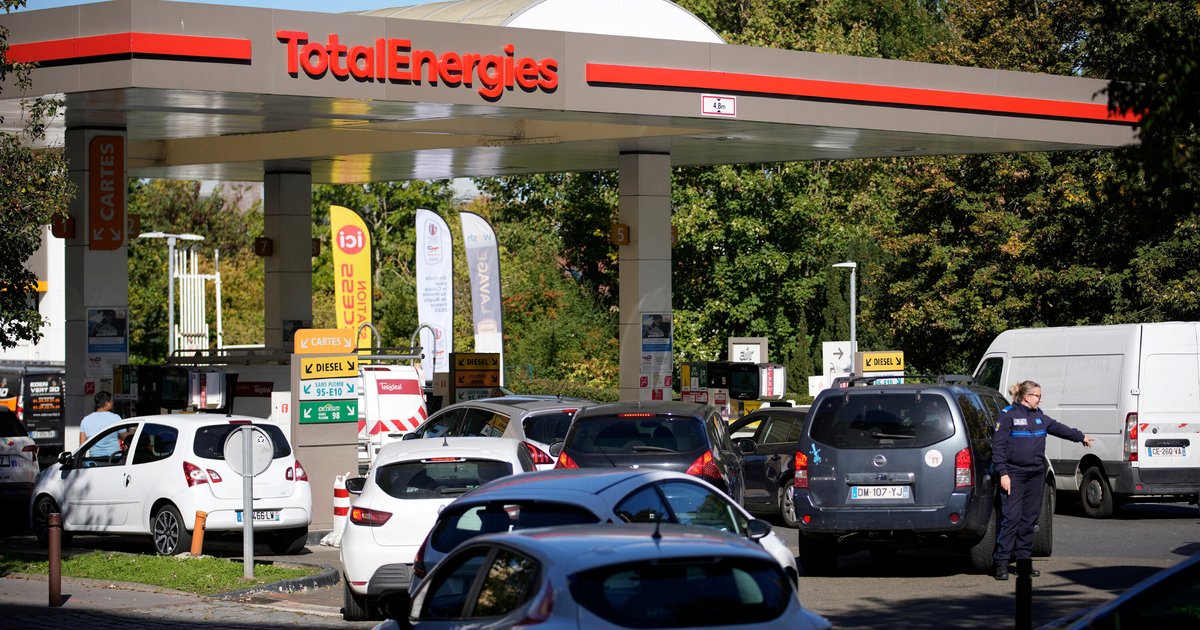
French Prime Minister Sébastien Lecornu announced that the government is preparing measures to assist individuals reliant on cars as fuel prices soar due to the war in Iran. This decision comes at a critical time as economic pressures on citizens increase, raising concerns about the affordability of living costs.
Fuel prices have risen significantly, impacting the budgets of French households, especially those heavily reliant on cars for daily commutes. Lecornu indicated that the government is seeking to provide support to those affected by this increase, as there is an urgent need for swift and effective action to address this crisis.
Details of the Initiative
This initiative comes at a time when global markets are experiencing sharp fluctuations due to geopolitical conflicts, particularly the war in Iran, which has led to disruptions in oil supplies. The French government has expressed concern over the impact of these price hikes on the local economy, as fuel prices directly affect transportation costs and essential goods.
This decision is part of ongoing government efforts to support citizens facing economic challenges. Proposed measures are expected to include direct financial assistance to low-income families, alongside support for public transportation systems.
Background & Context
Historically, France has faced numerous economic crises affecting fuel prices, but the current situation appears more complex due to geopolitical dimensions. The war in Iran is not new; however, its recent escalation has led to a sharp increase in oil prices, affecting all oil-importing countries, including France.
It is noteworthy that the French government has previously taken steps to address rising fuel prices, such as providing financial support to farmers and drivers. However, the current situation requires a more comprehensive response given the war's impact on global markets.
Impact & Consequences
The French government anticipates that these measures will alleviate the financial burden on affected households, potentially helping to maintain social stability. However, the effectiveness of these actions remains uncertain as prices continue to rise.
Fuel assistance is part of a broader strategy aimed at strengthening the national economy in the face of global challenges. This step may also influence the government's economic policy in the future, as it will need to balance financial support with achieving fiscal sustainability.
Regional Significance
Arab countries are directly affected by rising oil prices, as many of these nations are among the largest oil producers in the world. Disruptions in Iran could lead to increased oil prices, impacting the economies of Arab nations that rely on oil revenues.
Moreover, these events could heighten tensions in the region, prompting Arab countries to take proactive measures to protect their economies from negative impacts. At the same time, this crisis may open new opportunities for cooperation among Arab states in energy and economic sectors.
In conclusion, the situation in France and the Arab region remains under close observation, as current economic challenges require rapid and effective responses from governments to maintain community stability.