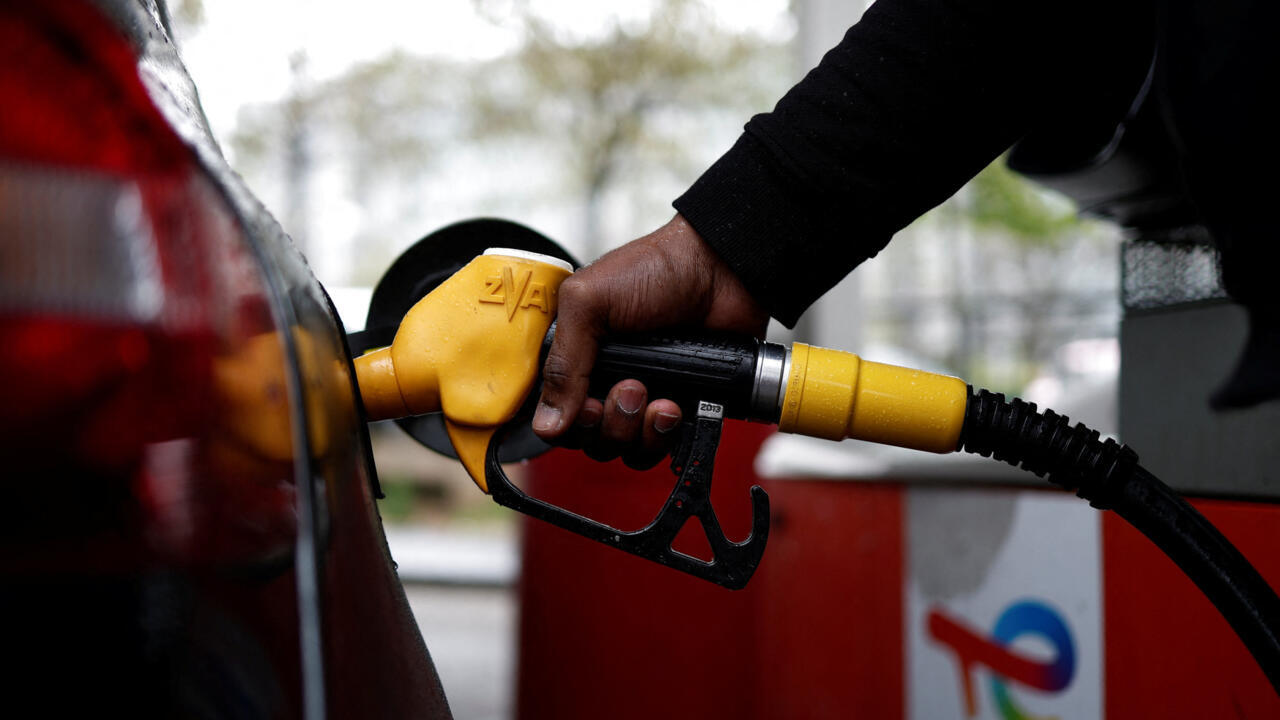
The French government has declared that it will be on high alert to implement energy rationing measures should any difficulties arise in fuel supplies. This announcement comes at a time when global energy markets are experiencing sharp fluctuations due to the tense situation in the Middle East and its impact on oil supplies.
The price of 95-octane gasoline has reached a symbolic threshold of 2 euros per liter, reflecting the increasing pressures on the market. According to data from the French news agency, approximately 10% of fuel stations in France, which number more than 9,500, are experiencing shortages of at least one type of major fuel.
Details of the Situation
Under these circumstances, oil prices have risen significantly, with Brent crude futures increasing by $6.84, or 6.8%, to reach $108 per barrel. Similarly, West Texas Intermediate (WTI) crude futures rose by $6.40, or 6.4%, to record $106.52 per barrel.
This price increase follows U.S. President Donald Trump's announcement of ongoing attacks on Iran without specifying a timeline for ending the conflict, which has heightened investor concerns regarding the continuity of oil supplies. Trump noted in his speech that the U.S. military had nearly achieved its objectives in the conflict, raising worries about the potential escalation of the situation.
Background & Context
Global energy markets are significantly affected by ongoing events in the Middle East, which is a major source of oil. The head of the International Energy Agency has warned that supply disruptions will begin to impact the European economy starting in April, indicating that the continent had received temporary protection thanks to shipments contracted before the outbreak of the war.
It is noteworthy that tensions in the region have led to increased maritime risks, as a tanker belonging to Qatar Energy was attacked in Qatari waters, reflecting the rising threats facing maritime navigation.
Impact & Consequences
Analyses indicate that markets are increasingly reacting to these situations, as Trump's speech did not include any clear reference to a ceasefire or diplomatic engagement. This could lead to heightened tensions in the region, potentially driving oil prices to new record levels.
If conditions continue in this manner, it could significantly impact the European economy, which heavily relies on energy supplies from the Middle East. Pressures on European governments are expected to increase to take swift action to address any potential fuel shortages.
Regional Significance
For the Arab region, these developments could lead to increased political and economic tensions. Oil-producing countries may benefit from rising prices, but at the same time, importing countries may face significant challenges in securing energy supplies at reasonable prices.
In conclusion, the situation in the Middle East remains pivotal in determining the course of global energy markets, necessitating proactive steps from both European and Arab countries to address any potential repercussions.