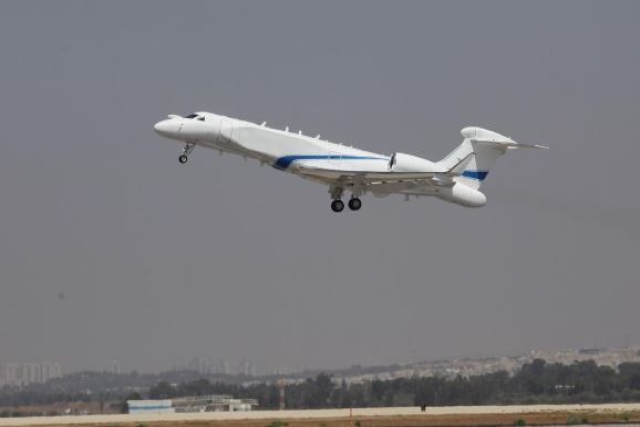
In a move reflecting the escalating tensions in the Middle East, U.S. President Donald Trump announced via his social media platform Truth Social that France has not allowed military aircraft heading to Israel to pass through its airspace. This decision comes at a critical time when the situation in the region is intensifying, raising questions about the role of major powers in regional conflicts.
Trump, who has long been a supporter of Israel, expressed his discontent with this French decision, indicating that it reflects an uncooperative stance given the current circumstances. This statement comes as international pressure on Israel increases due to its military escalation in Gaza, complicating relations between Western countries and the Middle East.
Details of the Event
According to reports, France made the decision not to allow military aircraft carrying military equipment destined for Israel to cross its airspace. This decision reflects a new French policy that may be linked to its stance on the Israeli-Palestinian conflict, as France seeks to enhance its role as a mediator in the peace process.
It is noteworthy that this decision comes at a highly sensitive time, as the region is witnessing an escalation in military actions, further complicating the humanitarian situation in Gaza. This decision has elicited mixed reactions among Western countries, with some viewing it as a positive step towards pressuring Israel to cease hostilities.
Background & Context
Historically, France has played an important role in Middle Eastern foreign policy, striving to balance its support for Israel with its concern for Palestinian rights. As tensions have escalated in recent years, it has become clear that France is attempting to reassess its policy towards the Israeli-Palestinian conflict.
In recent years, French-Israeli relations have experienced fluctuations, with France sometimes advocating for a two-state solution while at other times supporting Israel's right to defend itself. However, the recent decision to deny military aircraft passage may indicate a shift in this policy.
Impact & Consequences
This decision could have significant implications for relations between France and Israel, potentially leading to further strain in bilateral ties. It may also encourage other countries to adopt similar stances, increasing pressure on Israel amid rising international criticism of its actions in Gaza.
Moreover, this decision could affect peace efforts in the region, as it may be seen as support for Palestinian efforts to secure their rights. At the same time, it could provoke reactions from the United States, which may view this decision as a challenge to its interests in the region.
Regional Significance
In the Arab context, this decision can be viewed as a positive step by France, reflecting greater concern for the Palestinian cause. This may strengthen the position of Arab countries seeking to pressure the international community to intervene in the conflict.
Additionally, this decision could open the door for other Arab nations to adopt similar positions, increasing pressure on Israel and bolstering the Palestinian stance on the international stage. Ultimately, the situation in the Middle East remains complex and requires ongoing efforts from all parties to achieve peace and stability.