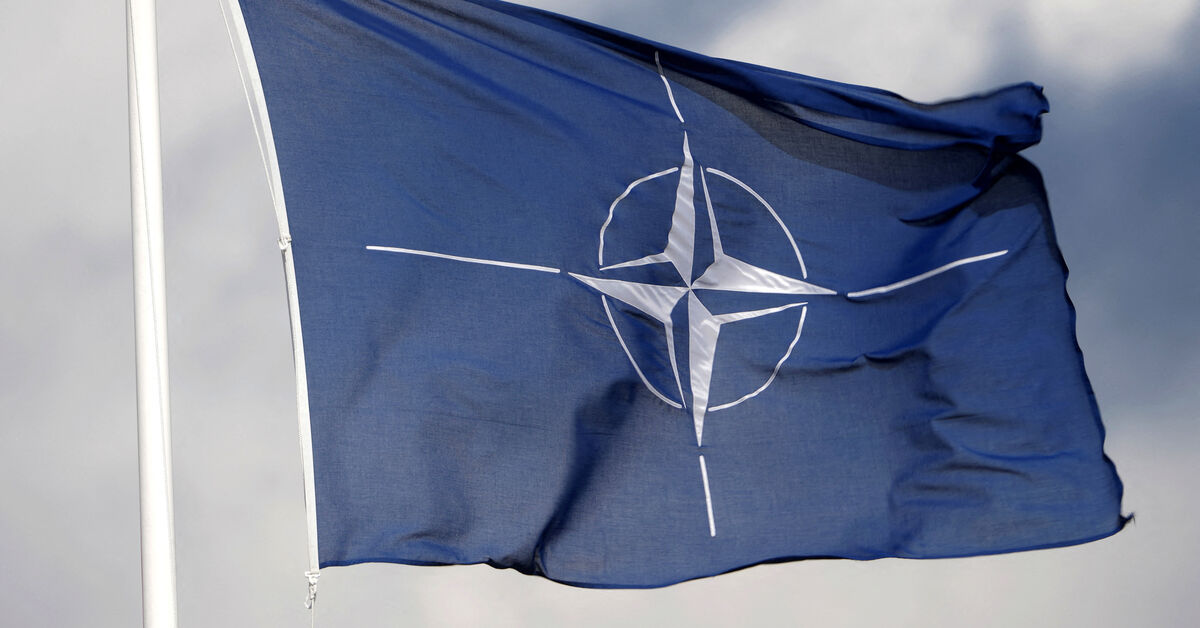
In a move reflecting the tensions in U.S.-France relations, the French government has responded to President Donald Trump's threats to withdraw the United States from the North Atlantic Treaty Organization (NATO). Paris emphasized that the alliance focuses on enhancing security in the European Atlantic region, rather than conducting offensive operations in areas such as the Strait of Hormuz.
These statements come at a sensitive time, as concerns grow over escalating tensions in the Middle East, particularly with Iran's repeated threats. French officials indicated that NATO should remain focused on its core missions, which include collective defense, rather than engaging in military operations outside its scope.
Details of the Event
In their statements, French officials clarified that NATO is a military alliance established to ensure security and stability in the Atlantic region and must remain committed to these objectives. This response followed Trump's threat to withdraw U.S. troops from NATO if member countries did not increase their financial contributions.
These remarks are part of Trump's policy aimed at reducing U.S. military commitments abroad, which has raised concerns among many European allies. France has asserted that any change in U.S. commitments could negatively impact European security.
Background & Context
NATO was founded in 1949 in response to rising tensions during the Cold War. Since then, the alliance has evolved to include 30 countries and is considered one of the most important military alliances in the world. However, the current threats from Trump reflect a shift in global political dynamics, as the United States seeks to reduce its role in international affairs.
In recent years, the Middle East has witnessed rising tensions, particularly with Iranian activities in the Strait of Hormuz, which is a vital point for global oil shipments. This situation has raised concerns among many countries, including France, which seeks to maintain stability in the region.
Impact & Consequences
U.S. threats to withdraw troops from NATO could destabilize the alliance, potentially opening the door for escalating conflicts in regions such as the Middle East. This could also encourage countries like Iran to take more aggressive steps, increasing the risk of military escalation.
Furthermore, any reduction in U.S. commitments to NATO could lead European countries to reassess their defense policies, creating a state of uncertainty in European security.
Regional Significance
For Arab countries, tensions within NATO could directly affect regional security. With increasing Iranian threats, Arab nations may find themselves in a position that requires them to enhance their military and security cooperation to face these challenges.
Additionally, any escalation in the Strait of Hormuz could impact global oil prices, which would reflect on Arab economies that heavily rely on oil exports. Therefore, the situation necessitates greater coordination among Arab countries to address security and economic challenges.