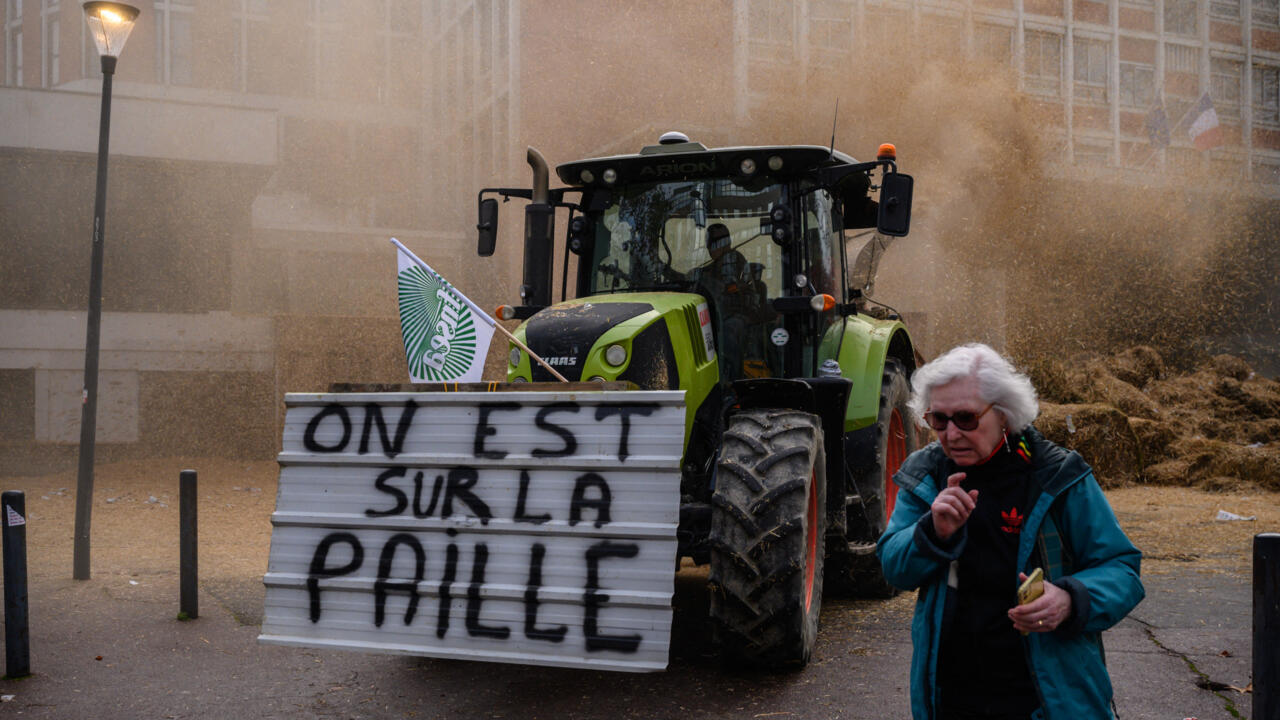
The French Ministry of Agriculture has announced new measures designed to support farmers affected by the sharp rise in fuel and fertilizer prices, which has resulted from the ongoing war in Iran. These measures come at a time when the agricultural sector is experiencing considerable financial strain, necessitating government intervention to ensure the continuity of agricultural production in the country.
The announced measures include providing low-interest loans to farmers, along with direct financial support to help them cover rising production costs. The importance of these steps has been emphasized in maintaining market stability and ensuring the availability of agricultural products for consumers.
Details of the Announcement
In this context, fuel and fertilizer prices have seen a noticeable increase in recent months, rising by as much as 30% due to geopolitical tensions in the Middle East, particularly the war in Iran. This increase has significantly impacted agricultural production costs, forcing many farmers to face financial difficulties.
These measures follow a series of meetings between the Ministry of Agriculture and farmers, where the challenges facing the sector were discussed. Many farmers have indicated that rising prices threaten their ability to continue operating, which could lead to a shortage of agricultural products in the future.
Background & Context
Historically, the agricultural sector in France is considered a vital part of the national economy. However, the challenges it faces are not new, as the country has experienced price fluctuations in recent years due to various factors, including climate change and geopolitical crises.
The war in Iran, which began in 2022, has exacerbated economic conditions in the region, affecting the prices of essential goods worldwide. France, being one of the largest agricultural countries in Europe, is directly impacted by these developments, necessitating swift and effective actions to protect farmers.
Impact & Consequences
The measures announced by the French government are an important step towards supporting farmers, but they may not be sufficient to address the significant challenges facing the sector. Rising prices could lead to increased living costs for consumers, which may negatively impact the economy as a whole.
Furthermore, the continuation of the war in Iran could worsen conditions, prompting the French government to consider long-term strategies to ensure the stability of the agricultural sector. It is also crucial for other European countries to collaborate in addressing these shared challenges.
Regional Significance
The Arab region is among the areas most affected by geopolitical tensions in the Middle East, where events in Iran influence the prices of essential goods in Arab countries. The rise in fuel and fertilizer prices in France may have similar effects in Arab nations, necessitating similar measures to support farmers in the region.
Under these circumstances, it becomes essential for Arab countries to collaborate in exchanging experiences and strategies to tackle the economic challenges they face, especially in the agricultural sector, which is crucial for achieving food security.