Soni Sonjaya, Deputy Head of the National Nutrition Agency in Indonesia, announced that the Free Nutrition Program (MBG) could be a key driver in transforming the livestock sector. This statement was made during an international strategic meeting focused on scientific pathways for sustainable livestock industry transformation held at the Indonesian Research and Development Agency office in Jakarta.
Sonjaya pointed out that the government will finance the purchase of essential food items, including animal products such as milk, meat, and eggs, which will be used in every kitchen or Nutrition Service Unit (SPPG) through the MBG program. He emphasized that this funding will create a guaranteed demand, thereby boosting production and investment in the livestock sector.
Event Details
Sonjaya explained that the MBG program will lead to the establishment of a large market for animal protein products, with demand expected to reach billions of kilograms of milk and other livestock products. This transformation will significantly reshape the structure of the livestock and dairy industry in Indonesia.
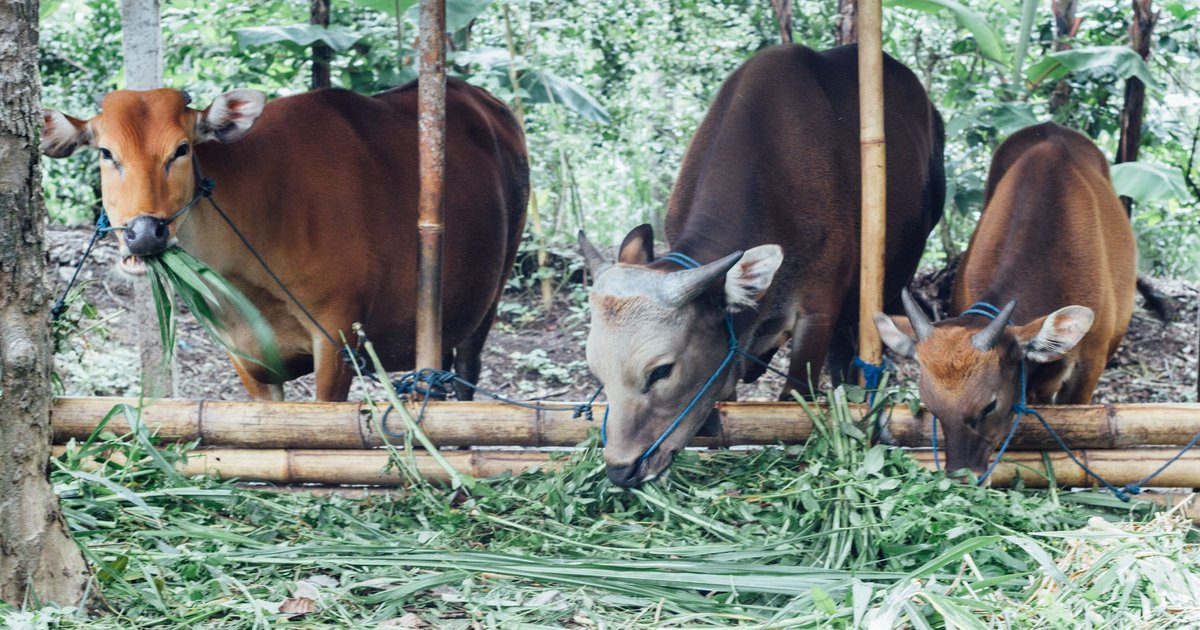
He also noted that the demand generated by the MBG program is equivalent to adding approximately 800,000 dairy cows, 1.6 billion broiler chickens, and more than 70 million laying hens. This substantial demand reflects the significant transformation anticipated in the country's livestock sector.
Background & Context
Historically, Indonesia has faced major challenges in the livestock sector, including reliance on imports and high production costs. However, the MBG program represents a bold step towards achieving self-sufficiency in this sector. The Indonesian government aims to enhance local production and reduce dependence on imports by supporting local farmers and improving product quality.
This initiative comes at a sensitive time as the world faces increasing food challenges, making it essential to boost local production and provide food sustainably. The success of the MBG program depends on the government's ability to address current challenges such as improving infrastructure and increasing production efficiency.
Impact & Consequences
The MBG program is expected to have positive effects on the Indonesian economy by attracting investments, enhancing economic growth, and creating new job opportunities in the livestock supply chain. Additionally, the success of the program relies on cooperation between the government, the private sector, and farmers.
If managed well, the program will not only enhance the food security of the community but also contribute to creating a sustainable economy based on livestock. This could improve the living standards of farmers and increase their income.
Regional Significance
Arab countries also face similar challenges in the livestock sector, with many nations relying on imports to meet their food needs. Indonesia's experience in implementing the MBG program could serve as a model for Arab countries seeking to enhance their local production and reduce reliance on imports.
Strengthening local production in the livestock sector can contribute to achieving food security in the Arab region, making it essential to exchange successful experiences and practices among countries.