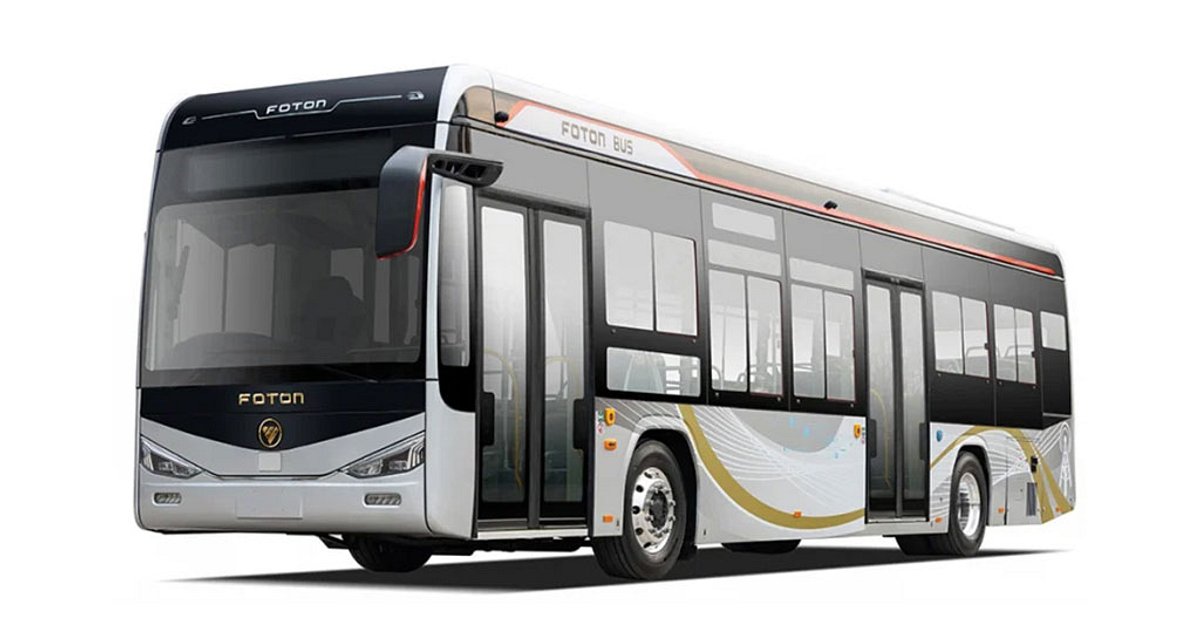
The Australian governments of Victoria and Tasmania have announced the provision of free public transport services, a move aimed at alleviating the financial burdens on citizens amid a significant rise in fuel prices. This announcement was made on Sunday, March 29, with Victoria's Premier, Jacinda Allan, confirming that the government will cover the entire cost of public transport for one month starting from March 31.
Meanwhile, the Tasmanian government has decided to extend this policy to cover a longer period of up to three months, allowing citizens to use buses and ferries for free until June 30. However, both governments did not clarify whether these policies would continue in the long term.
Details of the Announcement
This initiative comes at a time when Australia is experiencing an unprecedented rise in fuel prices, with the Australian Institute of Petroleum reporting that oil prices have increased by 27% since the onset of the conflict in the Middle East. This rise is attributed to escalating tensions between Israel and Iran, which have negatively impacted global markets.
While the governments of Victoria and Tasmania have taken this step, other state governments such as New South Wales, Western Australia, Queensland, and South Australia have refused to implement similar measures, focusing instead on other forms of support to help citizens cope with rising living costs.
Background & Context
These events coincide with the escalation of conflict in the Middle East, where Israel and the United States launched attacks on Iran on February 28, resulting in the deaths of over 1,340 individuals, including former Iranian leader Ali Khamenei. In retaliation, Iran has launched drone and missile strikes against Israel and neighboring countries, further intensifying tensions and affecting global market stability.
In this context, Australian Prime Minister Anthony Albanese announced plans for the government to cover the costs of essential products affected by the conflict, as part of new measures to ensure the security of oil supplies. Albanese is scheduled to meet with leaders of Australian states and territories to discuss additional steps to prevent fuel shortages.
Impact & Consequences
These policies are considered a significant step in addressing the economic crises that may arise from rising fuel prices, as governments seek to alleviate burdens on citizens. However, the lack of clarity regarding the future of these policies may raise concerns among the population, especially given the challenging economic conditions.
Additionally, these measures could impact public transport usage in Australia, potentially leading to an increase in the number of passengers and the use of public transport, which may contribute to reducing traffic congestion and improving air quality.
Regional Significance
The Arab region is directly affected by conflicts in the Middle East, as tensions lead to rising fuel and essential goods prices. The escalation of crises in the region may negatively impact the economies of Arab countries, necessitating similar measures to those taken by the governments of Victoria and Tasmania.
In conclusion, the situation in the Middle East remains under observation, as future developments may influence economic and social policies in Australia and Arab countries alike.