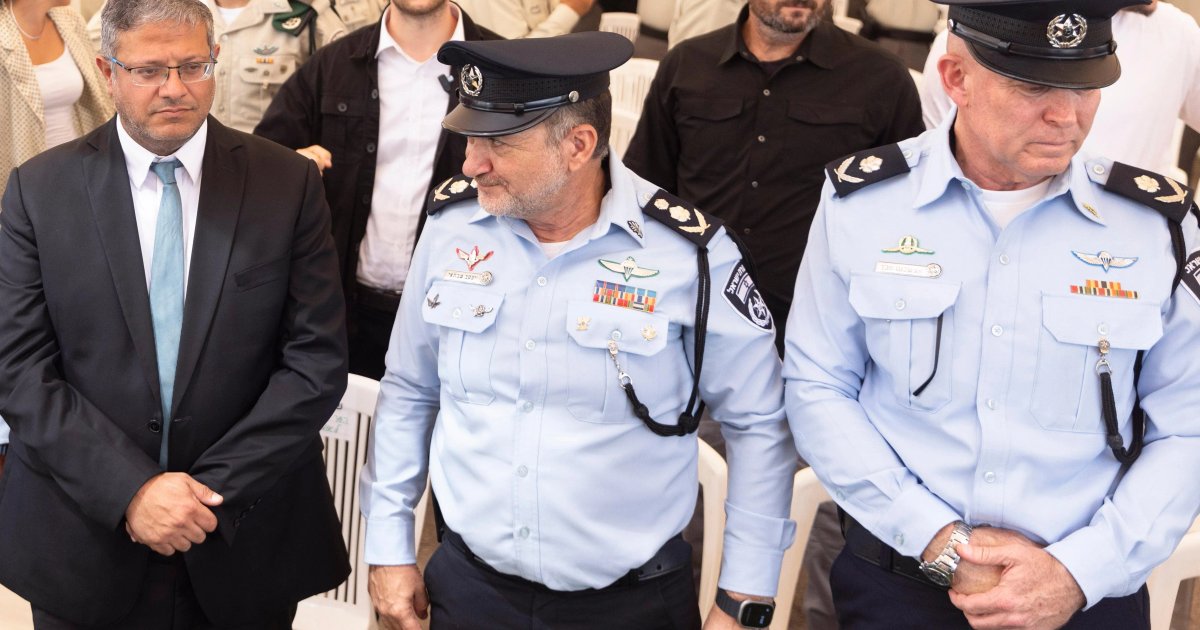
In a surprising move, the Israeli police chief, Yaakov Shabtai, announced the freezing of the incitement unit that was formed under the leadership of National Security Minister Itamar Ben Gvir. This step comes at a sensitive time when Israel is experiencing heightened security tensions, raising questions about the political and security implications of this decision.
The incitement unit, which aimed to combat incitement to violence, has sparked widespread controversy since its inception, as many viewed it as a tool to undermine freedom of expression and human rights. This unit was established as part of Ben Gvir's policy focused on enhancing internal security, but it seems that political and legal pressures have compelled the police chief to take this decision.
Details of the Event
According to informed sources, the decision to freeze the incitement unit came after consultations with the attorney general, indicating concerns about the legitimacy of the activities carried out by the unit. Reports indicated that the unit was dealing with issues related to incitement to violence, but it faced criticism for its methods, which were deemed harsh and disproportionate.
This decision comes at a time when calls from human rights organizations are increasing for a reevaluation of security policies in Israel, especially regarding the treatment of Palestinians and Arab communities within the country. Some observers have pointed out that freezing the unit could be a step towards easing tensions, but it may not be sufficient to address the underlying issues.
Background & Context
The incitement unit was established in the context of escalating violence in Israel, particularly in areas experiencing tensions between Israelis and Palestinians. In recent years, the country has witnessed waves of violence, prompting the government to adopt stricter security measures. However, these measures have often been criticized by human rights organizations, which argue that such policies lead to human rights violations.
Itamar Ben Gvir, who assumed his role as Minister of National Security, is known for his hardline stance towards Palestinians and has played a prominent role in promoting security policies that focus on the use of force. Nevertheless, political pressures and increasing criticism may lead to changes in the strategies of the Israeli government.
Impact & Consequences
The freezing of the incitement unit may have multiple effects on the security situation in Israel. On one hand, it could lead to a reduction in tensions between the police and Arab communities, but on the other hand, some may view it as a retreat from security policies that they consider necessary to confront security challenges.
Moreover, this decision may open the door to broader discussions on how to address issues of incitement and violence in Israeli society. This could lead to a reevaluation of the police's role in dealing with incitement issues and may contribute to enhancing dialogue among various parties.
Regional Significance
This development is significant for the Arab region, as Israeli policies directly affect the situation in Palestinian territories. The freezing of the incitement unit could be seen as a positive step towards easing tensions, but the implementation of this decision and its impact on relations between Israelis and Palestinians must be closely monitored.
Ultimately, the question remains open as to whether this step will lead to real changes in Israeli policies towards Palestinians or if it is merely a formal procedure amid increasing political pressures.