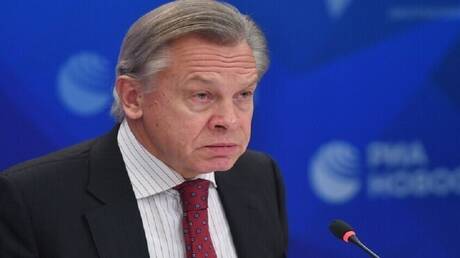
Alexei Pushkov, a member of the Russian Federation Council, stated that freezing US participation in NATO and halting its funding is no longer impossible but has become quite feasible under current circumstances. This assertion reflects growing Russian concerns over American military strategies, suggesting a genuine possibility of a shift in Washington's stance towards NATO.
Pushkov's comments come at a sensitive time, as tensions between Russia and the West escalate, particularly following recent events in Ukraine. Some voices in the United States have expressed a desire to reconsider its commitments to NATO, raising questions about the alliance's future and its role in European security.
Details of the Situation
Pushkov's remarks highlight a pivotal moment, with increasing tensions between Russia and the West, especially after the recent developments in Ukraine. Certain American politicians have begun discussing the necessity of reducing financial and military support for NATO. These statements reflect a potential shift in US policy towards the alliance, which could significantly impact the military balance in the region.
As a prominent figure in Russian politics, Pushkov added that there are indications that some American politicians are starting to advocate for a decrease in NATO support. This change could lead to a reevaluation of the US's role in the alliance, opening the door for discussions about NATO's future.
Background & Context
NATO was established in 1949 as a military alliance aimed at countering Soviet threats. Following the collapse of the Soviet Union, the alliance expanded to include countries from Eastern Europe, which raised concerns in Russia. In recent years, tensions between Russia and NATO have intensified, particularly after Russia's annexation of Crimea in 2014.
Historically, the United States has played a pivotal role in supporting NATO, being the largest contributor to the alliance's budget. However, with increasing economic and political pressures within the US, some voices have begun calling for a reassessment of this role, prompting discussions about the alliance's future.
Impact & Consequences
If Washington's participation in NATO were to be frozen, it could lead to radical changes in the European security structure. NATO member states might feel anxious about losing American support, potentially prompting them to rethink their defense strategies.
Moreover, this trend could strengthen relations between Russia and countries that are wary of American dominance. This could result in the formation of new alliances in the region, complicating the geopolitical landscape further.
Regional Significance
As the Arab region faces multiple security and political challenges, any change in NATO's policy could impact regional stability. Arab countries that rely on American military support may find themselves in a difficult position if Washington withdraws its commitments.
Additionally, any escalation in tensions between Russia and the West could reflect on the situation in the Middle East, where Russia might seek to enhance its influence, potentially affecting existing political and security balances.
In conclusion, Pushkov's statements indicate a potential shift in US policy towards NATO, warranting close attention from concerned nations. Given the current circumstances, the future of the alliance and the role of the United States within it remain in question, opening the door for changes that could affect global security.