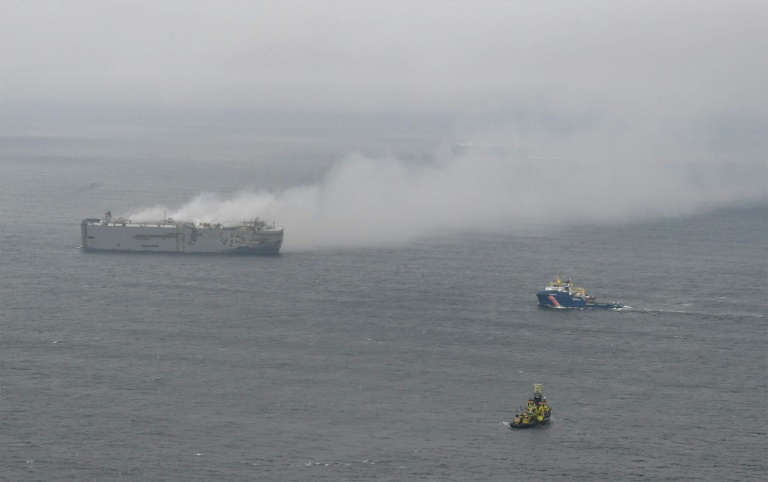
A French cargo ship has made a historic crossing of the Strait of Hormuz, marking the first such event since the onset of the war. This development may indicate potential changes in maritime navigation in the region.
This step is a significant milestone in the context of the multiple conflicts that the area is witnessing, as maritime traffic through the strait has faced considerable challenges due to political and military tensions. The crossing of the French ship may open the door to increased commercial activity in this vital area.
Details of the Event
According to reports from Bloomberg, the French ship that crossed the Strait of Hormuz was carrying a commercial cargo, reflecting a resumption of commercial activity under the current circumstances. This is the first such step since the outbreak of the war, raising questions about safety and stability in the region.
The Strait of Hormuz is one of the most important maritime passages in the world, through which approximately 20% of the world's total oil passes. Therefore, any change in maritime traffic through this strait can have significant impacts on global markets.
Background & Context
Since the beginning of the war, the region has witnessed an escalation of tensions between major powers, affecting maritime navigation. There have been concerns about the potential for attacks on commercial vessels, leading to a reduction in the number of ships transiting the strait.
Historically, the Strait of Hormuz has been the scene of numerous political and military crises, with the region experiencing multiple conflicts over the decades. However, the crossing of the French ship may represent a new beginning for maritime trade in this area.
Impact & Consequences
The crossing of the French ship is seen as a positive step that could enhance the stability of maritime traffic in the strait. This could encourage more commercial vessels to resume their journeys through the strait, potentially leading to an economic revival in the region.
On the other hand, this step may serve as a test of the ability to secure maritime navigation under the current conditions. If the ship successfully crosses the strait without any incidents, it could lead to increased confidence in maritime safety in the region.
Regional Significance
This event is significant for Arab countries that rely on the Strait of Hormuz for exporting their oil. Any improvement in maritime traffic could contribute to stabilizing oil prices, benefiting Arab economies.
Moreover, the resumption of commercial shipping could enhance economic cooperation between Arab countries and others, opening new avenues for trade and investment in the region.
In conclusion, the crossing of the French ship through the Strait of Hormuz signifies the potential for a resumption of commercial activity in a region suffering from tensions. This development could mark the beginning of a new phase of stability in maritime navigation, benefiting both the global and regional economies.