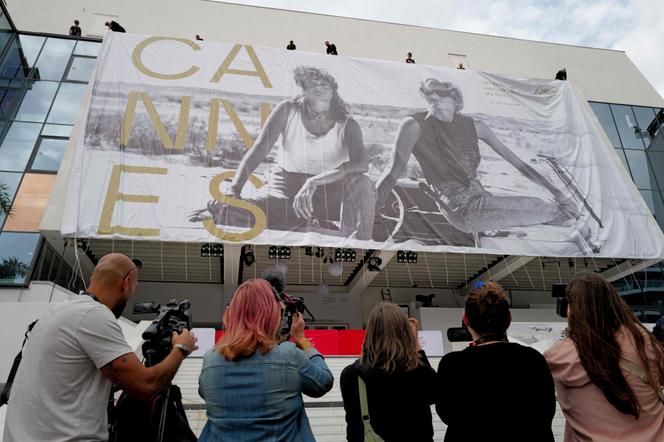
In an unprecedented move, around 600 professionals in the French film industry, including prominent stars such as Juliette Binoche and Damien Bonnard, have signed a statement condemning the increasing influence of far-right billionaire Vincent Bolloré over the cinematic landscape, just ahead of the Cannes Film Festival.
The statement, published in the newspaper Libération, expresses the signatories' concerns that Bolloré's control over the Canal+ group, which has acquired 34% of the shares in the UGC network, could lead to his complete domination of the French film industry by 2028.
Details of the Statement
The signatories pointed out that Bolloré's increasing control is not merely an economic issue but represents a threat to freedom of expression and creativity in French cinema. They noted that Bolloré, who also owns television channels like CNews, seeks to impose a specific political vision through film content.
Furthermore, they emphasized that this dominance could lead to a homogenization of films and a decline in artistic diversity, threatening the cultural identity of French cinema. The signatories have dubbed themselves Zap Bolloré, reflecting their desire to resist this influence.
Background & Context
Historically, French cinema has been known for its diversity and boldness in addressing social and political issues. However, the increasing influence of businessmen in this sector may jeopardize this diversity. In recent years, France has witnessed significant shifts in the film industry, where money has played a larger role in determining the quality of films produced.
This campaign comes at a sensitive time, as there have been previous protests from professionals in other fields, such as publishing, against Bolloré's control. There was widespread discontent following the dismissal of Olivier Nora, the editor-in-chief of the Grasset publishing house, which falls under the Hachette group, also considered to be under Bolloré's influence.
Impact & Consequences
The implications of this issue extend beyond French cinema, indicating a broader struggle between the arts and political ideologies. If this trend continues, it could lead to a decline in film quality and the proliferation of extremist ideas in public culture.
Moreover, this situation may raise greater concerns among artists and creators who seek to express their views freely. This could lead to the formation of larger protest movements in the future, as artists strive to maintain their independence.
Regional Significance
This issue highlights the challenges facing freedom of expression and creativity in French cinema, reflecting broader conflicts in the arts. The growing influence of a single individual over such a vital cultural sector raises alarms about the future of artistic diversity and independence.
As the Cannes Film Festival approaches, the call to resist Bolloré's dominance serves as a rallying point for those who value the integrity of the cinematic arts in France.