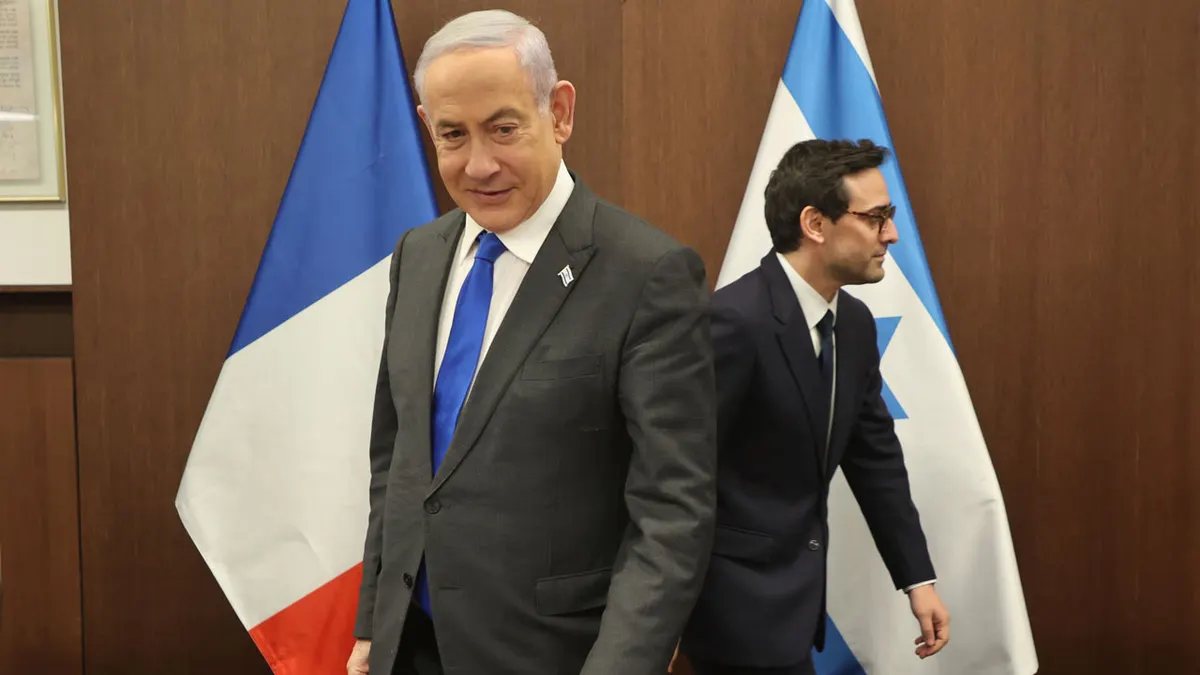
French Foreign Minister Jean-Noël Barrot condemned the killing of three journalists in an Israeli airstrike in Lebanon on Saturday, emphasizing the importance of protecting reporters in conflict areas. Barrot stated in remarks to France 3 that targeting journalists constitutes a blatant violation of international law if proven intentional.
Barrot said, "If it is proven that the journalists in question were deliberately targeted by the Israeli army, it is extremely serious and constitutes a blatant violation of international law." These statements come at a sensitive time when the region is suffering from escalating tensions and conflicts, raising concerns about the safety of journalists covering the events.
Details of the Incident
The incident occurred last Saturday when an Israeli airstrike targeted an area in Lebanon, resulting in the deaths of three journalists. This incident has sparked widespread reactions in international circles, with many human rights organizations considering the targeting of journalists as a crime against humanity.
This incident is part of a series of attacks targeting journalists in conflict zones, raising fears about freedom of expression and the safety of journalists. International organizations such as Reporters Without Borders have called for an independent investigation into the incident and accountability for those responsible.
Background & Context
Historically, the region has witnessed numerous armed conflicts that have led to the targeting of journalists. In recent years, attacks on reporters have escalated in areas like Syria and Palestine, where many have faced arrest or death while covering events. This phenomenon reflects the significant challenges journalists face in conflict zones, where they become easy targets amid chaos.
International laws prohibit targeting civilians, including journalists, in conflict zones. However, violations continue, necessitating the international community to take stringent measures to protect press freedom.
Impact & Consequences
This incident could exacerbate tensions between Lebanon and Israel, as it may be used as a pretext to escalate military operations. Additionally, targeting journalists may lead to reduced media coverage of events in the region, affecting the public's ability to access accurate and reliable information.
Furthermore, this incident may negatively impact relations between France and Israel, as the French government may take diplomatic action in protest against this violation. International pressure could lead to a review of Israeli policies towards journalists in the future.
Regional Significance
This incident serves as a wake-up call for other Arab countries experiencing conflicts. It highlights the urgent need to protect journalists and promote freedom of expression under difficult circumstances. Moreover, this incident may increase pressure on Arab governments to improve conditions for journalists and provide a safe environment for them.
Ultimately, the safety of journalists in conflict zones remains a crucial issue that requires ongoing international attention, as press freedom is one of the fundamental pillars of democracy and human rights.