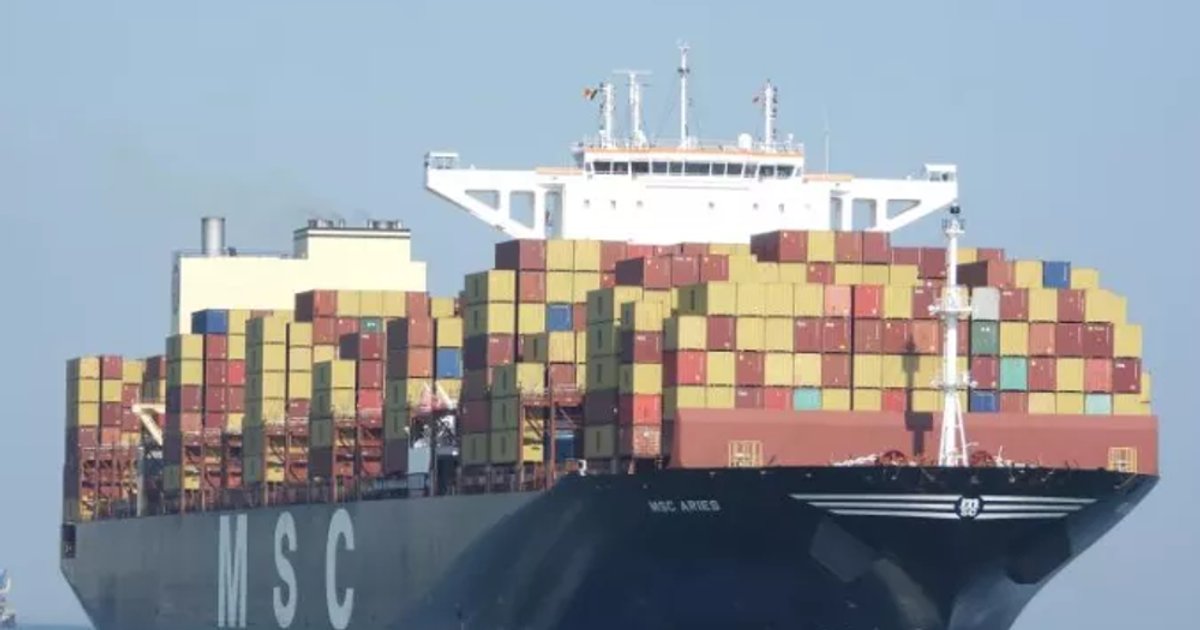
A French-flagged container ship has successfully crossed the Strait of Hormuz, an event considered the first of its kind since the onset of conflict that has heavily affected navigation in this strategic waterway. This move reflects a potential improvement in security conditions and opens new avenues for maritime trade between Western nations and the Gulf region.
The ship's passage through the strait is seen as a sign of the resumption of maritime commercial activity, as most commercial vessels have been avoiding this vital corridor due to increasing security risks. The Strait of Hormuz is a major transit point for oil and natural gas, with approximately 20% of the world's total oil exports passing through it.
Details of the Event
This incident comes after a period of escalating tensions in the region, where the Strait of Hormuz has witnessed numerous maritime incidents that have affected trade flows. The French vessel, whose name has not been disclosed, crossed the strait early yesterday morning, which is considered an indicator of regained confidence in maritime safety.
This step also demonstrates the willingness of Western nations to bolster their commercial presence in the region despite security challenges. It is noteworthy that many commercial ships have ceased to navigate through the strait since the beginning of the conflict, negatively impacting the global economy.
Background & Context
The Strait of Hormuz is one of the most important waterways in the world, linking the Arabian Gulf with the Gulf of Oman. Historically, this strait has been the scene of numerous conflicts, especially during periods of tension between Iran and Western countries. In recent years, the region has seen an escalation in hostilities, leading to increased concerns about maritime navigation safety.
In 2019, the strait experienced a series of attacks on oil tankers, prompting many nations to enhance their military presence in the area. These events led to restrictions on navigation, which adversely affected oil prices and global energy markets.
Impact & Consequences
This incident is viewed as a sign of the potential resumption of commercial activity in the region, which could contribute to stabilizing oil prices and financial markets. Furthermore, the crossing of the French vessel may encourage other countries to resume their commercial activities in the strait, reflecting an improvement in security conditions.
However, the situation in the region remains fragile, as tensions between Iran and Western nations persist. Any new escalation could negatively impact navigation and revert the situation back to the initial state of tensions.
Regional Significance
The Arabian Gulf region is one of the most sensitive areas in the world, playing a pivotal role in the global energy market. The crossing of the French vessel is seen as a positive step that could enhance market stability, benefiting oil-producing Arab nations.
If these positive trends continue, we may witness an increase in foreign investments in the region, which would bolster economic growth and contribute to stability. However, Arab nations must remain vigilant regarding any developments that could affect their security and stability.