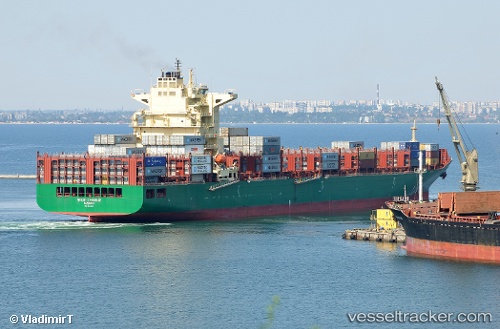
The French container ship CMA CGM Kribi has successfully navigated the Strait of Hormuz, making it the first vessel owned by a major Western company to traverse this strategic passage since the conflict in the region began. This event is a significant milestone amid the tense circumstances that the area is experiencing, as concerns grow over the impact of the conflict on commercial shipping.
CMA CGM Kribi is part of the fleet of the French company CMA CGM, one of the largest shipping companies in the world. The crossing of this ship has raised questions about the safety of navigation in the Strait of Hormuz, which is one of the most important maritime routes globally, accounting for approximately 20% of the world's total oil supply.
Details of the Event
This move comes at a time when the Strait of Hormuz is witnessing heightened military tensions, with increasing clashes between Iranian forces and American troops in the region. This situation has led to significant concern among shipping companies, prompting many to reassess their trade routes. However, the passage of CMA CGM Kribi may send a positive message regarding the potential for normal navigation to resume despite the surrounding conditions.
It is important to note that the Strait of Hormuz is a vital transit point for oil and natural gas, as oil tankers from Gulf countries pass through it to reach global markets. In recent years, there have been several incidents related to attacks on vessels, which have heightened fears regarding the safety of navigation in this corridor.
Background & Context
Historically, the Strait of Hormuz has been a theater for numerous military conflicts, with recurring tensions between Iran and Western nations, particularly the United States. These tensions have led to economic sanctions on Iran, impacting its oil exports and exacerbating the conflict.
In recent years, many countries have attempted to bolster their military presence in the region to protect their commercial interests. However, these measures have not prevented maritime incidents, complicating the security situation further.
Impact & Consequences
The crossing of CMA CGM Kribi could have positive implications for navigation in the region, as it may encourage other shipping companies to resume their operations through the Strait of Hormuz. Nevertheless, ongoing military tensions may still pose a barrier to stabilizing maritime traffic.
This event could also contribute to improving trade relations between Western nations and Gulf countries, potentially leading to increased cooperation in maritime security. However, companies must remain cautious of potential risks they may face in the future.
Regional Significance
The passage of CMA CGM Kribi serves as an indicator of the possibility of resuming navigation in the Strait of Hormuz, which is significant for Arab countries that rely on these routes to export their oil. Stabilizing maritime traffic could enhance the Arab economy, especially in Gulf nations that are among the largest oil exporters in the world.
In conclusion, the situation in the Strait of Hormuz remains under observation, as any new escalation could negatively impact navigation and global trade. The crossing of CMA CGM Kribi represents a positive step, but companies and governments must remain vigilant regarding potential risks.