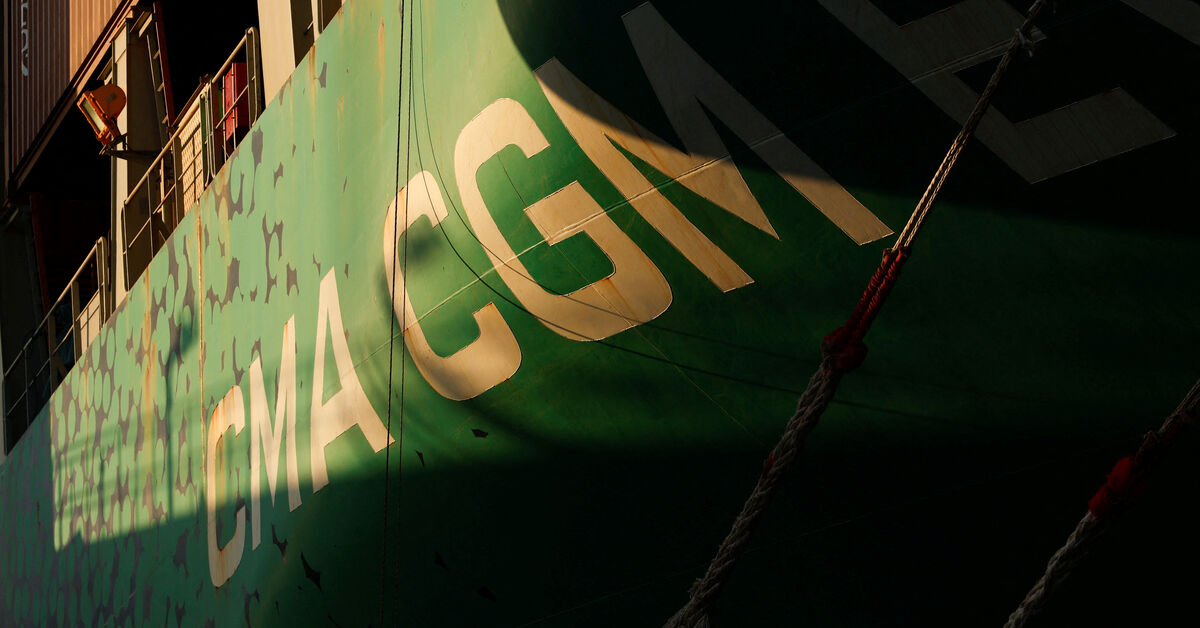
On April 2, a container ship from the French CMA CGM group, known as Kribi, crossed the Strait of Hormuz, according to tracking data from MarineTraffic. This crossing is a sign that Iran may not consider France a hostile state, especially amid rising tensions in the region.
The ship, flying the Maltese flag, is the first of its kind to navigate this strategic passage since the U.S.-Israeli attacks on Iran began in late February. This event indicates a potential shift in relations between Iran and France, as the latter continues its operations in the region despite political tensions.
Details of the Event
The Strait of Hormuz is a vital transit point for global trade, with approximately 20% of the world's oil passing through it. The crossing of commercial vessels, particularly those owned by countries that Iran does not view as hostile, is a sign of possible easing of tensions. In this context, the crossing of the Kribi indicates that Iran may be open to trade relations with certain European nations, despite political pressures.
It is noteworthy that CMA CGM is considered one of the largest shipping companies in the world, playing a significant role in trade movement between the Middle East and the rest of the world. This crossing serves as a test of the stability of trade relations amid tense political conditions.
Background & Context
Historically, Iranian-French relations have experienced numerous fluctuations. In recent years, tensions have increased between Iran and the United States and its allies, impacting trade movements in the region. However, France is attempting to maintain its trade relations with Iran, especially in light of the nuclear agreement reached in 2015, which has been threatened following the U.S. withdrawal.
In this context, the crossing of the Kribi is seen as a positive step towards enhancing trade relations between Iran and France, potentially encouraging other countries to take similar steps. It also demonstrates that there is potential for dialogue and cooperation despite political tensions.
Impact & Consequences
The crossing of the Kribi could have significant implications for international relations in the region. If Iran continues to allow French ships to pass, it may lead to improved trade relations between the two countries, contributing to regional stability. This could also encourage other nations to strengthen their trade relations with Iran, potentially alleviating tensions.
On the other hand, this crossing may be viewed as a challenge to U.S. and Israeli policies in the region, as both countries seek to exert pressure on Iran. If France continues to enhance its trade relations with Iran, it could escalate tensions between these nations.
Regional Significance
The crossing of the Kribi through the Strait of Hormuz signifies the potential for improved trade relations in the region, which could positively impact neighboring Arab countries. If Iran continues to strengthen its trade relations with European nations, it may lead to increased investments in the region, benefiting the Arab economy.
Moreover, this development could contribute to fostering dialogue between Arab countries and Iran, which may help ease tensions in the region. Given the current political climate, this is essential for achieving stability.
In conclusion, the crossing of the Kribi through the Strait of Hormuz illustrates the possibility of improving relations between Iran and France, which could contribute to regional stability. Amid current political tensions, this development is a positive step towards enhancing trade cooperation.