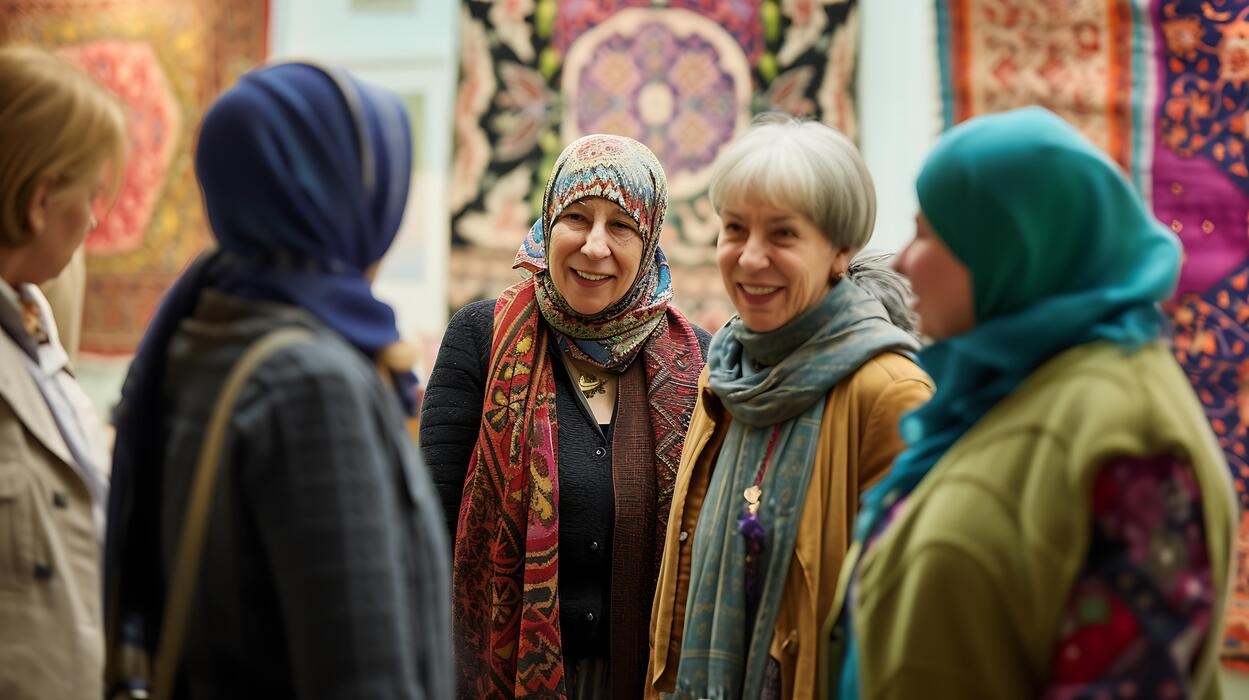
In a controversial move, the administrative court in Paris has issued a ruling allowing the annual Muslim gathering in France, set to take place from April 3 to 6. This decision comes after the French police had prohibited the gathering, claiming there was a terrorist threat to the Muslim community. However, the court deemed the alleged threat to be insufficiently substantiated.
The annual Muslim gathering is an important event in France, bringing together thousands of Muslims from across the country to discuss issues related to the Islamic community and to strengthen social and cultural ties. The police's decision to ban the event sparked mixed reactions, with some viewing it as discrimination against Muslims in the country.
Event Details
The gathering is scheduled to be held at a central location in Paris and will include a variety of activities, such as lectures, workshops, and exhibitions. The event aims to promote dialogue among different cultures and enhance understanding between Muslims and non-Muslims. This gathering has been organized periodically for several years and is considered a significant platform for expressing the concerns of Muslims in France.
Despite the security concerns raised by the police, the organizers have assured that all necessary measures will be taken to ensure the safety of participants. They also highlighted that this event represents an opportunity to promote democratic values and peaceful coexistence within French society.
Background & Context
France faces significant challenges regarding cultural and religious diversity, with the Muslim community constituting a large part of society. Historically, France has witnessed numerous events that have impacted the relationships between Muslims and the state, including terrorist attacks that have occurred in recent years. These incidents have led to increased tensions among different communities, making security a sensitive topic in public discussions.
In recent years, the French government has implemented strict measures to address terrorist threats, which have affected the freedom of expression and assembly for Muslim communities. However, many believe that these measures may lead to the marginalization of Muslims and increase discrimination against them.
Impact & Consequences
The court's decision to allow the gathering is seen as an opportunity to foster dialogue among different cultures in France. This ruling could help alleviate tensions between Muslims and the state and reflects the French government's commitment to democratic principles and human rights. It may also encourage the organization of more events that promote understanding and peaceful coexistence.
On the other hand, this decision may provoke reactions from certain circles expressing concerns about the impact of this gathering on security. Therefore, it will be essential to monitor the responses from government entities and civil society in the coming days.
Regional Significance
This event holds broader implications for the Arab world, reflecting the challenges faced by Muslim communities in Western countries. Amid rising tensions and discrimination against Muslims in some nations, promoting dialogue and understanding between cultures is vital. The success of this gathering may inspire Muslim communities in other countries to organize similar events that enhance their presence and rights.
In conclusion, the French court's decision underscores the importance of preserving freedom of expression and assembly, especially in light of the challenges faced by Muslim communities. Enhancing dialogue and understanding among different cultures will have a positive impact on both French and global society.