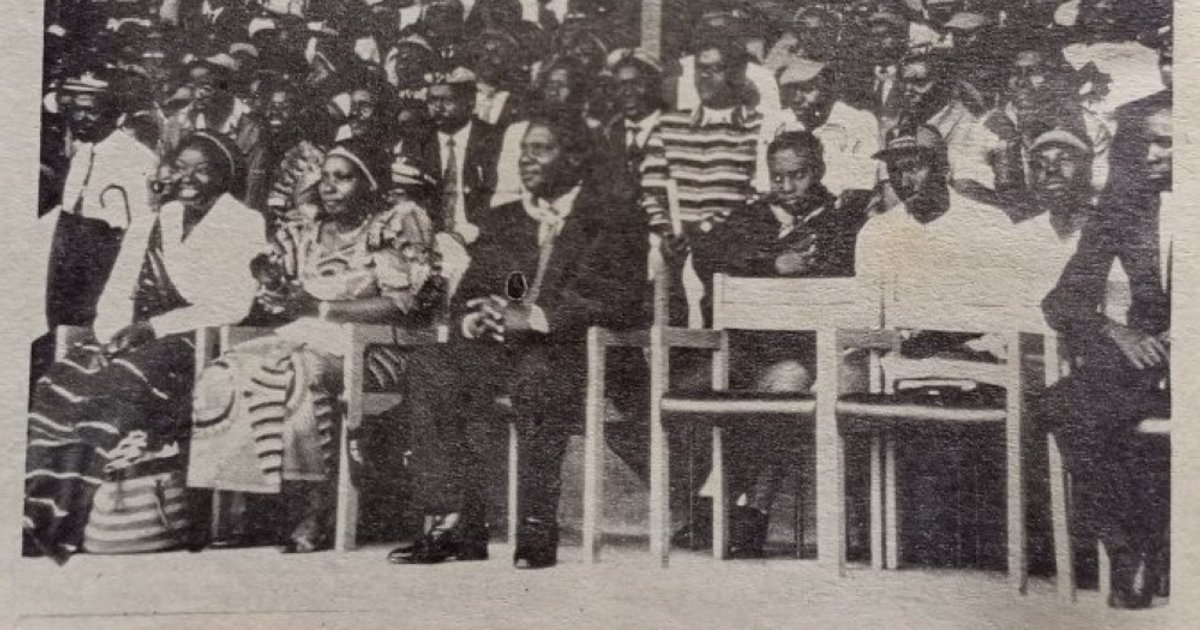
French justice is set to announce a decision regarding the non-prosecution of Agathe Habyarimana, the widow of the late Rwandan president, despite evidence of her involvement in the 1994 genocide. This decision comes at a sensitive time as historians call for a reevaluation of this tragedy, which is considered one of the worst atrocities of the twentieth century.
On April 8, the French court is expected to announce its decision on a case that has sparked widespread controversy, where the non-prosecution is seen as an omission of historical facts documented by many researchers and historians. A group of public figures noted in an article published in Le Monde that this decision ignores the efforts to understand the events of the genocide that claimed the lives of approximately 800,000 people from the Tutsi minority.
Details of the Case
The case dates back to 2025 when the decision was made not to prosecute Agathe Habyarimana, who was considered a pivotal figure in the events that unfolded in Rwanda. Habyarimana is believed to have played a role in inciting violence against the Tutsi, which led to the outbreak of the genocide. However, the French court's decision may raise questions about the ability of justice to hold those responsible for these crimes accountable.
While this decision is seen as a setback for justice, many historians express concern that the lack of accountability for key figures may lead to a repetition of historical mistakes. They pointed out that this decision could be viewed as a negative signal to the victims and their families, who are still seeking justice.
Context and Background
Rwanda witnessed one of the worst genocides in modern history in 1994, where the Tutsi minority was targeted by the Hutu majority. These events led to mass displacement and widespread destruction in the country, leaving deep scars on Rwandan society. Despite more than two decades since these events, their effects persist, as survivors seek justice and compensation.
The history of the genocide in Rwanda remains a sensitive topic, with varying narratives about the events. Many historians have worked to document the facts, but they face significant challenges in confronting denial and minimizing the importance of these events. The French court's decision may be seen as a test of the international community's ability to confront historical truths.
Consequences and Impact
The French court's decision could have far-reaching effects on transitional justice efforts in Rwanda. If the non-prosecution is confirmed, it may lead to frustration among victims and their families, increasing distrust in the judicial system. Additionally, this decision may bolster the position of those seeking to deny or downplay the significance of the genocide.
Furthermore, this decision could encourage ongoing divisions within Rwandan society, where tensions between Hutus and Tutsis still exist. The lack of accountability for key figures may be viewed as a green light for further violations in the future, underscoring the need for genuine reforms in the judicial system.
Impact on the Arab Region
While events in Rwanda may seem distant from Arab issues, the lessons learned from the genocide are of significant importance to the region. The sectarian and ethnic tensions witnessed in Rwanda closely resemble the challenges faced by some Arab countries, where divisions can lead to chaos and bloody conflicts.
Therefore, understanding and absorbing history is essential to prevent the recurrence of such atrocities. There must be greater awareness of the importance of justice and accountability to achieve peace and stability in multicultural societies.
The case of Agathe Habyarimana exemplifies the challenges facing international justice and highlights the need to address historical facts seriously. Achieving justice is not just a legal matter; it is also a humanitarian issue that requires commitment from the international community.