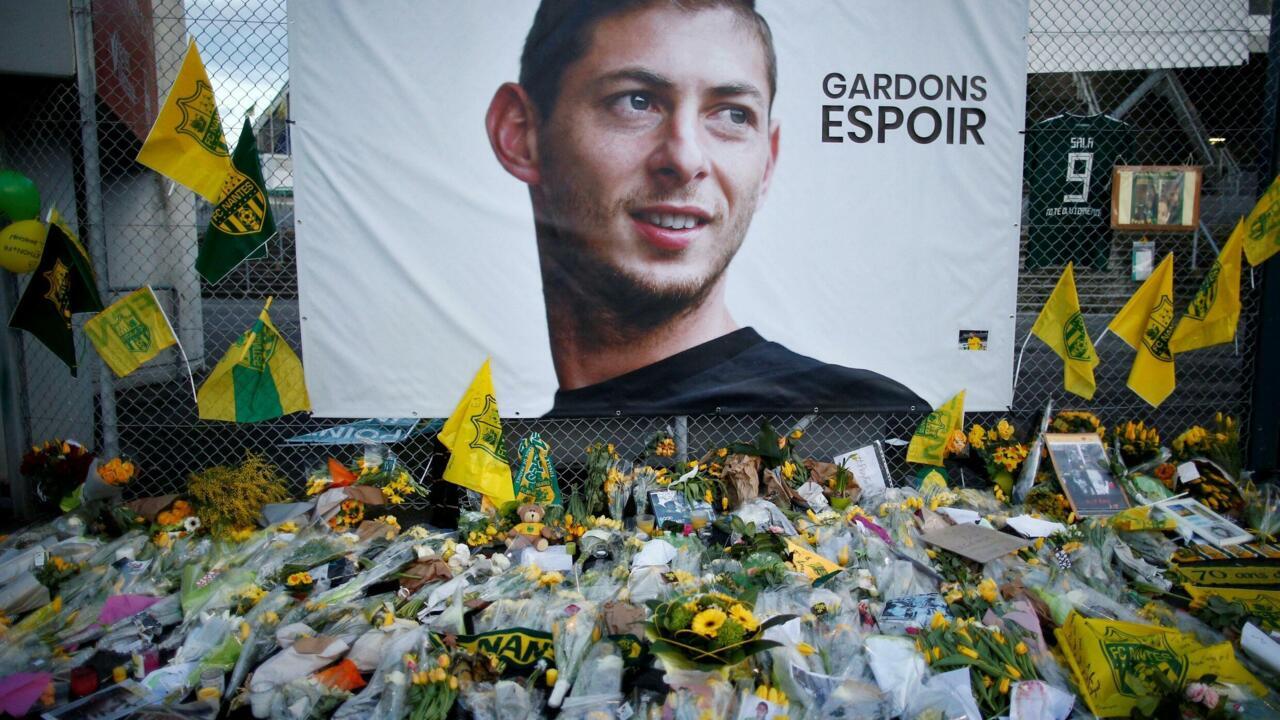
A commercial court in Nantes, France, on Monday denied the Welsh club Cardiff City’s request for financial compensation from FC Nantes, stemming from the death of Argentine striker Emiliano Sala in a plane crash in 2019. This ruling effectively closes one of the most significant chapters in the legal dispute between the two clubs, which has spanned several years.
Lawyers for FC Nantes expressed their relief at the ruling, with Jerome Marsaudon stating to reporters, "FC Nantes is in no way responsible for the tragedy that occurred, and we welcome the court's decision to listen to us and affirm this clearly." The defense argued that this decision absolves the French club of any legal responsibility related to the incident.
Details of the Incident
The ruling also mandated Cardiff City to pay €300,000 in damages to FC Nantes for moral damages. This decision follows a series of legal actions taken by the Welsh club in an attempt to shift part of the financial responsibility onto the French club. In 2023, Cardiff had turned to the commercial court in Nantes to seek compensation for revenue losses and other damages related to the player's death, estimating these losses through an expert they appointed at over €120 million (approximately $139.5 million).
It is noteworthy that Emiliano Sala, who was 28 years old, died when the small aircraft transporting him to Cardiff crashed into the English Channel on January 21, 2019, just two days after signing a transfer contract from Nantes to the Welsh club, which was competing in the Premier League at the time. The incident caused a significant shock in European football circles.
Background & Context
In 2020, a report from the UK’s Air Accidents Investigation Branch indicated that the crash resulted from the pilot losing control of the aircraft due to excessive speed. The report clarified that the single-engine Piper Malibu aircraft broke apart and fell into the Channel waters. Investigators concluded that pilot David Ibbotson (59 years old) did not hold the appropriate license for this type of aircraft or for night flying, and was conducting unauthorized commercial flights for remuneration. The report also suggested that both the pilot and Sala may have suffered from carbon monoxide poisoning while the plane was flying erratically in the final stages of the flight to avoid adverse weather conditions.
This incident was not merely an individual tragedy but highlighted issues of aviation safety and oversight of private aviation, raising questions about the adherence to laws and regulations in this field.
Impact & Consequences
The impact of this ruling will have significant repercussions for sports clubs, as it reflects the importance of adhering to legal and ethical standards in the world of football. Additionally, the ruling may open the door for other clubs to review their contracts and legal terms, especially under circumstances that could lead to similar incidents.
Furthermore, this decision may affect how clubs handle aviation safety issues, potentially leading to changes in policies and procedures followed in player transport. This could result in enhanced safety standards for private flights used by sports clubs.
Regional Significance
In the Arab region, this ruling could impact sports clubs that rely on private aviation to transport their players. It may lead to a comprehensive review of the standards applied in this area, thereby enhancing player safety and reducing travel-related risks.
Moreover, the incident itself may spark discussions on how to protect athletes across various sports, potentially leading to improvements in sports policies in Arab countries.
In conclusion, the tragic death of Emiliano Sala remains one of the saddest events in football history, and its impact continues to resonate with clubs and players alike, underscoring the importance of adhering to legal and ethical standards in the world of sports.