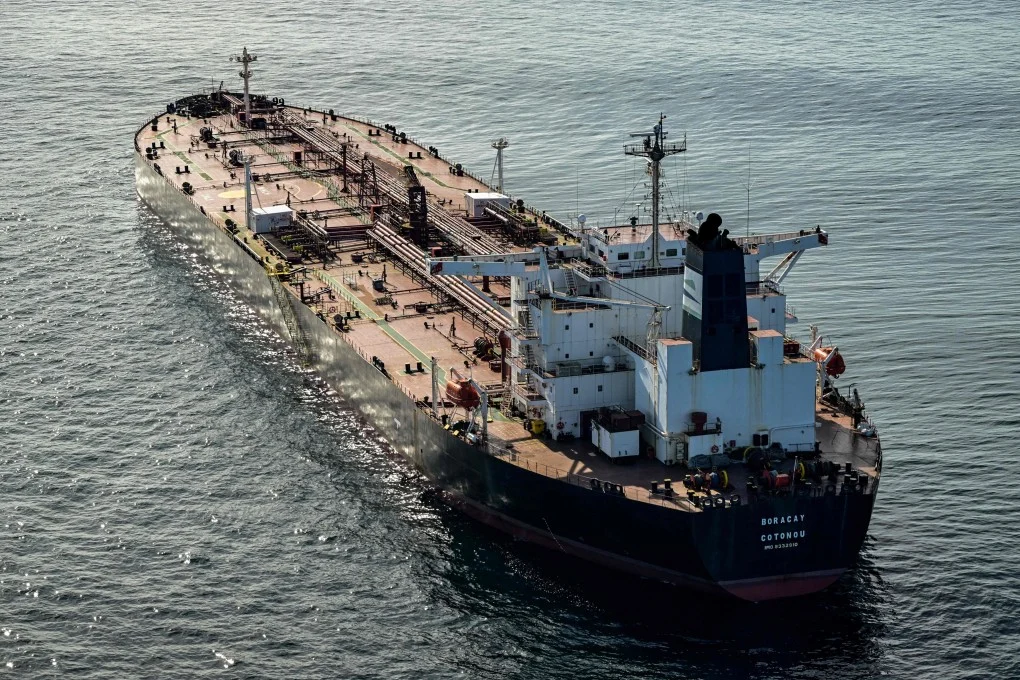
A French court on Monday sentenced Chen Zhangji, the captain of a Chinese oil tanker, to one year in prison for failing to comply with orders from the French Navy to stop the vessel. The ruling was made in absentia after the French Navy raided the Burakai tanker last September, releasing the ship and its crew after several days, an act that Russian President Vladimir Putin deemed "piracy."
The court, located in the western city of Brest, also issued a fine against Chen, the amount of which has not been specified. This case raises questions about illegal maritime activities and their impact on international maritime security.
Details of the Incident
In September, the French Navy raided the Burakai in French territorial waters, where the ship was suspected of being part of an illegal Russian fleet used to circumvent sanctions imposed on Russia. After the raid, the ship and its crew were released, but the captain was not on board, leading to the ruling being made in absentia.
The one-year prison sentence is seen as a serious step by French authorities in addressing illegal maritime activities, especially amid increasing tensions between Russia and Western countries. This ruling has sparked strong reactions from the Russian side, with Putin considering it an infringement on maritime sovereignty.
Background & Context
The roots of this case trace back to the escalating tensions between Russia and Western countries following Russia's invasion of Ukraine in 2022. Western nations imposed strict sanctions on Russia, prompting some Russian companies to utilize illegal fleets to bypass these sanctions. The Russian "shadow" fleet, which includes oil tankers, is seen as a means to export Russian oil to international markets without revealing the true identities of the vessels.
This case illustrates how illegal maritime activities have become part of the economic strategies employed by some nations to circumvent sanctions. It also highlights the importance of international cooperation in addressing these activities, as maritime security has become a global issue.
Impact & Consequences
This ruling could have significant repercussions for relations between France and Russia, demonstrating France's determination to enforce international maritime law and combat illegal activities. It may also affect companies dealing with Russian oil, as they could face increased scrutiny from Western authorities.
Furthermore, this ruling could encourage other countries to take similar actions against illegal maritime activities, potentially leading to heightened tensions in international waters. At the same time, it may foster greater cooperation among nations in the field of maritime security.
Regional Significance
For the Arab region, this case underscores the importance of maritime security in the Arabian Gulf, where maritime navigation is essential for the Arab economy. Any escalation in illegal maritime activities could impact oil and gas exports, leading to negative repercussions for the overall Arab economy.
This case also demonstrates the importance of cooperation between Arab countries and Western nations in addressing maritime challenges, as maritime security is considered an integral part of regional security.