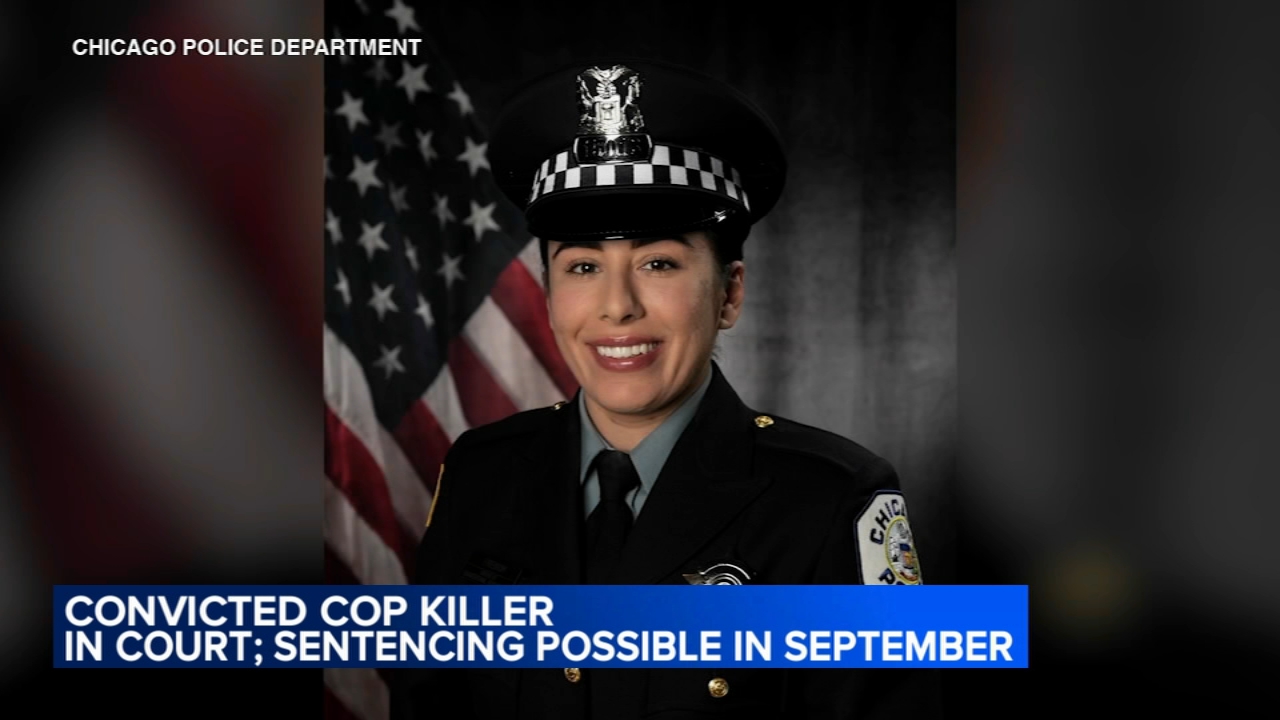
A French court has sentenced police officer Jill Gilbert to ten years in prison for the murder of Olivier Gomez, a 28-year-old man, who was driving his car in 2020. The court confirmed that Gilbert did not meet the conditions for legitimate defense, which has provoked widespread reactions in French society.
The incident that occurred in 2020 ignited significant debate regarding police use of force in France, as evidence showed that Gilbert shot Gomez without any direct threat to himself, leading the court to deem his actions unjustified.
Details of the Incident
In the details of the incident, Olivier Gomez was driving his car when he was stopped by Gilbert, who was on police patrol at the time. According to testimonies, there was no aggressive behavior from Gomez; however, Gilbert shot him, resulting in his immediate death. This incident sparked widespread outrage in French streets, as many considered the police's use of force excessive and unjustified.
Following the incident, a comprehensive investigation was launched, where witnesses were interrogated and evidence was collected. The court relied on this evidence to confirm the illegitimacy of Gilbert's actions, leading to his sentencing.
Background & Context
This case comes within a broader discussion about police use of force in France, where the country has witnessed several protests against police violence in recent years. Similar incidents, such as the deaths of Adib Traore and Adama Traore, have sparked debate over how police interact with citizens, especially from minority communities.
This case also reflects the increasing tensions between police and local communities, where many are calling for radical reforms in how police operate and are trained to handle crises.
Impact & Consequences
The sentencing of Gilbert to ten years in prison could have significant implications for police policy in France. This ruling may increase pressure on the government to implement reforms in how police interact with citizens, particularly in densely populated neighborhoods.
Furthermore, this ruling may encourage more victims to speak out about their experiences with the police, potentially leading to further investigations into cases of police violence. There may be renewed calls for legal changes to ensure the protection of citizens' rights.
Regional Significance
Although this case pertains to France, it resonates in Arab countries, where many nations face similar issues related to police violence and human rights. Incidents involving police use of force raise widespread concern in Arab communities, where many are demanding reforms to ensure their rights.
Following this case may provide important lessons for Arab countries on how to address human rights issues and the importance of transparency and accountability in police work.