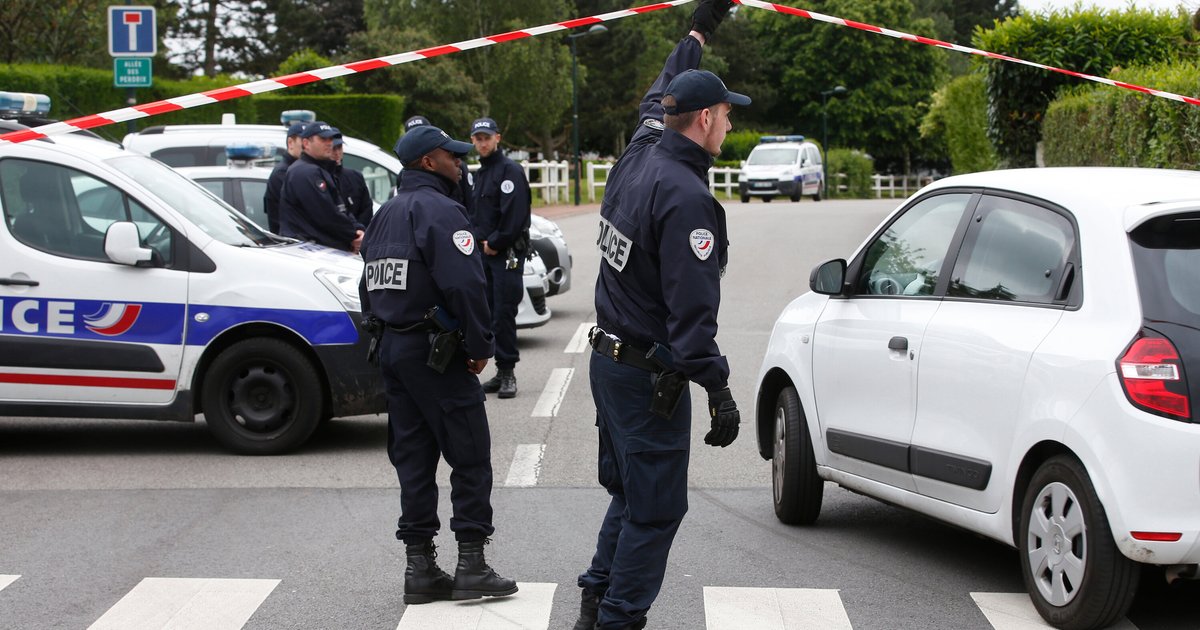
A court in Versailles has sentenced a police officer to ten years in prison for the murder of Olivier Gomez, ruling that his actions were not justified as self-defense. This ruling is considered a legal precedent in France, emphasizing that police use of force must be proportional to the threats they face.
The incident that led to this ruling occurred in 2020, when the police officer shot Gomez after the latter failed to comply with orders to stop. This case has sparked widespread debate in French society, with many considering the officer's actions excessive and unjustified.
Details of the Incident
In the details of the case, evidence showed that Gomez was driving his car when the police officer attempted to stop him. When Gomez did not comply, the officer fired at him, resulting in his death. During the trial, the defense argued that the officer felt threatened, but the court found that the use of the weapon was neither necessary nor proportional to the situation.
This ruling is seen as an important step towards holding police officers accountable for their actions, reflecting a shift in how the French judicial system addresses cases of police violence. It also indicates a growing awareness in French society regarding human rights issues and the necessity of protecting civilians from abuses of power.
Context and Background
Historically, France has witnessed numerous incidents related to police violence, leading to widespread protests in the streets. In recent years, calls for reforms within the police force have intensified, as many believe there is an urgent need to review policies regarding the use of force. Similar incidents have fueled discussions about human rights and social justice in the country.
The Gomez case is not an isolated incident; France has seen many cases that have ignited public outrage, resulting in massive demonstrations demanding justice and accountability. These incidents reflect the increasing tensions between the police and local communities, particularly in densely populated neighborhoods.
Implications and Effects
The ruling against the police officer may have far-reaching implications for how police interact with civilians in the future. This decision is expected to bolster calls for reforms within the police force and may encourage more victims to come forward with complaints against police misconduct. It could also lead to changes in training and policies regarding the use of force.
Furthermore, this ruling may encourage other countries to review their policies regarding police violence, especially amid growing pressure from human rights organizations. The emphasis on accountability could enhance trust between the community and the police, which is vital for maintaining public order.
Impact on the Arab Region
Looking at the Arab region, the Gomez case raises questions about how security forces treat civilians. In many Arab countries, issues of police violence remain a significant challenge, with human rights being severely violated. The ruling against the police officer in France could serve as a model for the region, potentially leading to increased demands for accountability and transparency.
In conclusion, this ruling represents a step towards achieving justice and underscores the importance of protecting individual rights against abuses of power. Strengthening accountability within security forces is essential for building a more just and secure society.