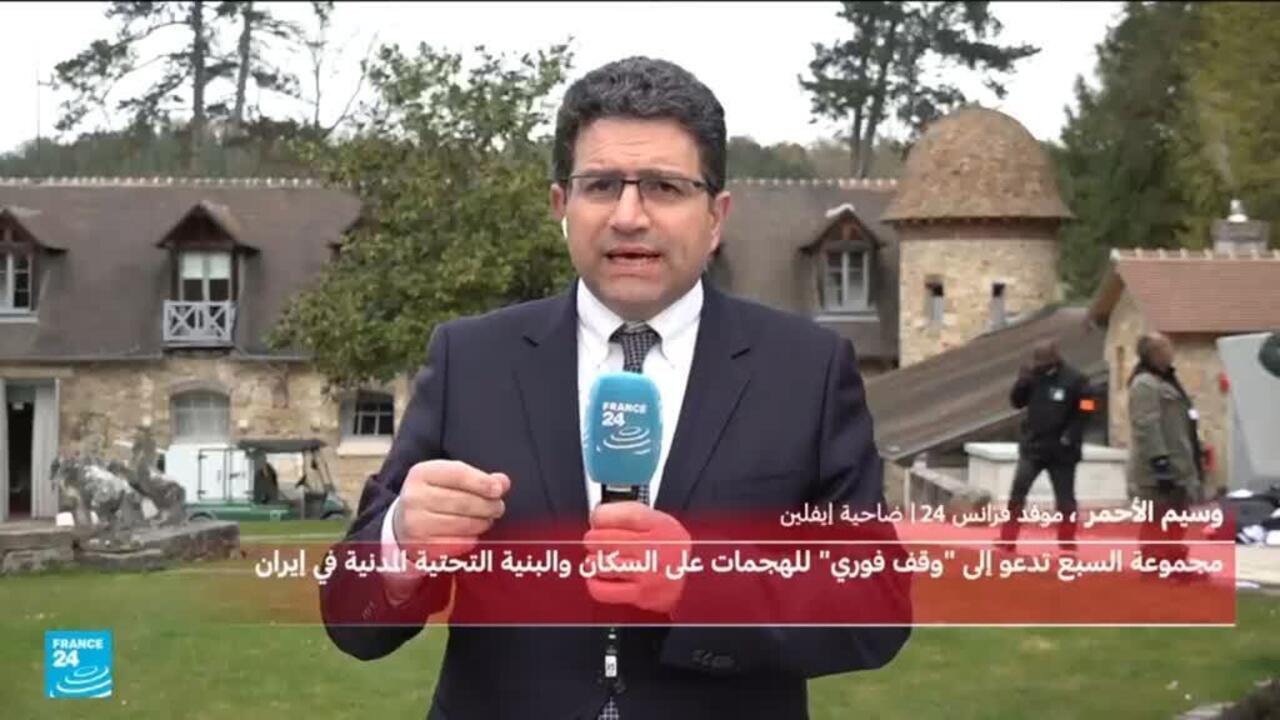
At the conclusion of the G7 ministerial meeting, French Foreign Minister Jean-Noël Barrot announced that the United States, led by Secretary of State Marco Rubio, is striving to dismantle Iranian missile capabilities. Barrot affirmed that France shares the same goals with Washington in this context, particularly concerning the restoration of freedom of navigation in the Strait of Hormuz, which is one of the most important maritime passages in the world.
These statements come at a sensitive time in the region, where tensions between Iran and the United States are escalating, alongside increased military activities in the Arab Gulf. Barrot highlighted the importance of international cooperation to ensure the safety of navigation in this vital area, through which a significant percentage of global oil exports pass.
Details of the Event
During the meeting that brought together foreign ministers from the G7 countries, various global issues were discussed, including the security threats posed by Iran. Barrot emphasized that cooperation among major powers is essential to address these challenges, noting that France will work to enhance joint efforts to ensure stability in the region.
He also addressed the importance of maintaining international laws related to navigation, stating that any threat to these laws would negatively impact the global economy. He assured that Paris would make every possible effort to guarantee freedom of navigation in the Strait of Hormuz, which is considered a vital artery for global trade.
Background & Context
Historically, the Strait of Hormuz has witnessed numerous tensions due to regional conflicts, as it is a major transit point for oil and natural gas. These tensions have increased following the United States withdrawal from the nuclear agreement with Iran in 2018, leading to a escalation of crises between the two parties.
Moreover, Iran has conducted several military operations in the region, raising concerns among Western nations, particularly the United States and France. This G7 ministerial meeting is seen as a significant step towards enhancing international cooperation to confront Iranian threats.
Impact & Consequences
Barrot's statements underscore the importance of international alliances in addressing security threats, as any escalation in tensions could have severe consequences for the global economy. Restoring freedom of navigation in the Strait of Hormuz could contribute to stabilizing oil prices, benefiting the global economy.
At the same time, these statements may increase tensions between Iran and Western countries, potentially negatively impacting regional security. The international community must be prepared to deal with any potential escalation in the area.
Regional Significance
The Arab region is a crucial part of these dynamics, as any escalation in tensions between Iran and the United States could directly affect neighboring Arab countries. Trade and navigation in the Arab Gulf may be impacted, leading to economic repercussions for Arab nations that rely on these maritime routes.
Furthermore, the French statements may strengthen the position of Arab countries in facing Iranian threats, potentially leading to enhanced cooperation between Arab nations and Western countries in this context.
In conclusion, the remarks by the French Foreign Minister highlight the importance of international cooperation in addressing security challenges and emphasize the necessity of restoring freedom of navigation in the Strait of Hormuz to ensure global economic stability.