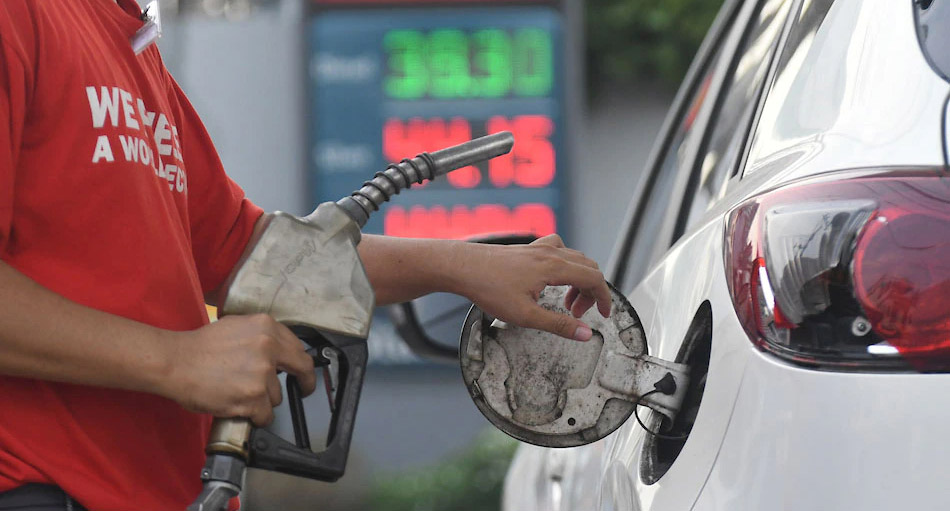
French Minister of Ecological Transition, Sébastien Lecornu, stated that the French government is working to reduce fuel prices before the end of this week or the beginning of next week. This announcement comes amid a decline in oil prices, which have fallen below $100 per barrel, providing an opportunity to improve the economic situation for citizens.
The French government will meet with all stakeholders in the energy sector in Perpignan on Thursday to discuss ways to achieve this goal. This meeting follows shortly after the announcement of a ceasefire in Iran, which had a direct impact on global oil prices.
Details of the Initiative
The French government is seeking to take swift measures to alleviate the impact of rising fuel prices on citizens. Fuel prices have seen significant increases in recent months, adversely affecting the budgets of French households. In this context, Lecornu emphasized that the government is committed to working with all relevant parties to achieve a tangible reduction in prices.
The minister also noted that gas prices in Europe have decreased by approximately 20%, reflecting improvements in the global market. This decline may help ease the pressures on fuel prices in France, giving the government an opportunity to act more quickly.
Background & Context
Historically, oil prices have experienced significant fluctuations due to geopolitical events, such as conflicts in the Middle East. In recent years, there has been a notable increase in oil prices due to political and economic crises. However, the announcement of a ceasefire in Iran may have a positive effect on the market, potentially leading to price stabilization.
In past years, France has heavily relied on oil imports, making it vulnerable to fluctuations in global prices. Therefore, the French government is striving to enhance the country's energy independence by investing in renewable energy sources.
Impact & Consequences
If the French government succeeds in lowering fuel prices, it will improve the economic situation for many French families. This measure could also boost the government's popularity amid current economic challenges. The decision is expected to have a positive impact on the French economy overall, as it will lead to increased consumption and stimulate economic activity.
Moreover, the decline in gas and oil prices may help reduce the inflationary pressures facing the country, which could assist in stabilizing prices in local markets.
Regional Significance
Oil prices are a key factor influencing the Arab economy, as many Arab countries rely on oil exports as a primary source of revenue. If oil prices continue to decline, this may affect the public budgets of oil-producing countries in the region.
At the same time, some Arab countries may benefit from falling prices, as this could lead to increased demand for petroleum products in European markets. This shift may open new avenues for economic cooperation between Arab and European countries.
The French government's efforts to reduce fuel prices come at a critical time, as citizens seek to alleviate economic pressures. This decision is expected to have wide-ranging effects on the French economy and its economic relations with other countries.