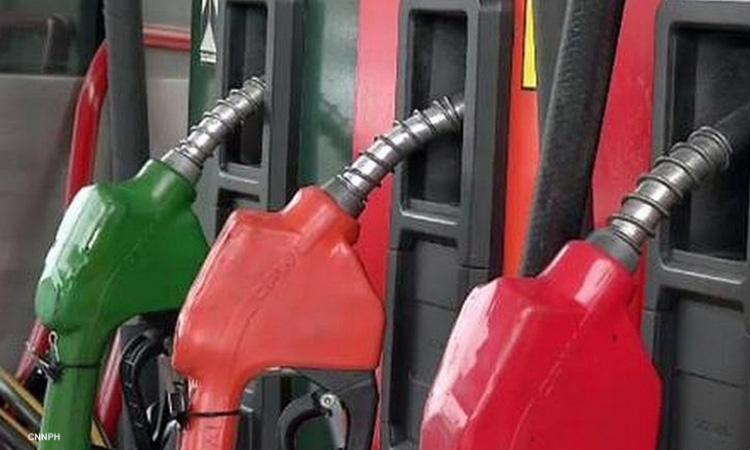
The French Minister of Public Accounts announced that the government expects to generate additional revenue of €270 million as a result of rising fuel prices, exacerbated by the conflict in the Middle East. This revenue comes at a time when the cost of the crisis is estimated in billions of euros.
These figures emerge amid rising fuel prices in global markets, putting additional pressure on households and businesses in France. The increase in prices may lead to higher living costs, negatively impacting the French economy.
Details of the Event
Fuel prices in France have seen a significant increase, with the market experiencing a substantial rise in prices over recent months. Many experts attribute this increase to geopolitical tensions in the Middle East, which have led to fluctuations in global oil prices. The minister confirmed that this additional revenue will help the government address the economic challenges arising from this crisis.
The minister also noted that this revenue comes at a time when the French economy is still suffering from the effects of the COVID-19 pandemic, complicating the economic situation further. This revenue could represent an opportunity for the government to bolster its public budget, but it does not necessarily reflect an improvement in the overall economic situation.
Background & Context
Historically, fuel prices have experienced significant fluctuations due to political and economic crises in the Middle East. Wars and conflicts in this region often affect oil supplies, leading to global price increases. In recent years, there have been several crises, from the conflict in Syria to tensions between Iran and the United States, all contributing to instability in oil prices.
France is among the European countries that heavily rely on oil imports, making it vulnerable to price fluctuations. This dependence has led the French government to take various measures to mitigate the effects of rising prices on citizens, including providing direct support to some affected groups.
Impact & Consequences
This increase in fuel prices is expected to affect various economic sectors in France. Households will face greater financial pressures, which may lead to reduced spending on other goods and services. Additionally, companies, especially those reliant on transportation, may see an increase in operational costs, potentially impacting their profits.
At the government level, the administration may need to take additional measures to address these challenges, such as increasing financial support for citizens or imposing price controls. These conditions may also influence the government's economic policies in the future, as it will need to find a balance between supporting citizens and achieving financial stability.
Regional Significance
Arab countries are directly affected by rising oil prices, as they are among the largest producers and exporters of oil in the world. Therefore, any increase in prices may lead to increased revenues in these countries, potentially contributing to the strengthening of their economies. However, political tensions in the region could negatively impact economic stability.
Ultimately, fuel prices remain a sensitive issue affecting the lives of millions of people, both in France and in Arab countries. It is crucial for governments to take effective steps to mitigate the impacts of these increases on citizens.