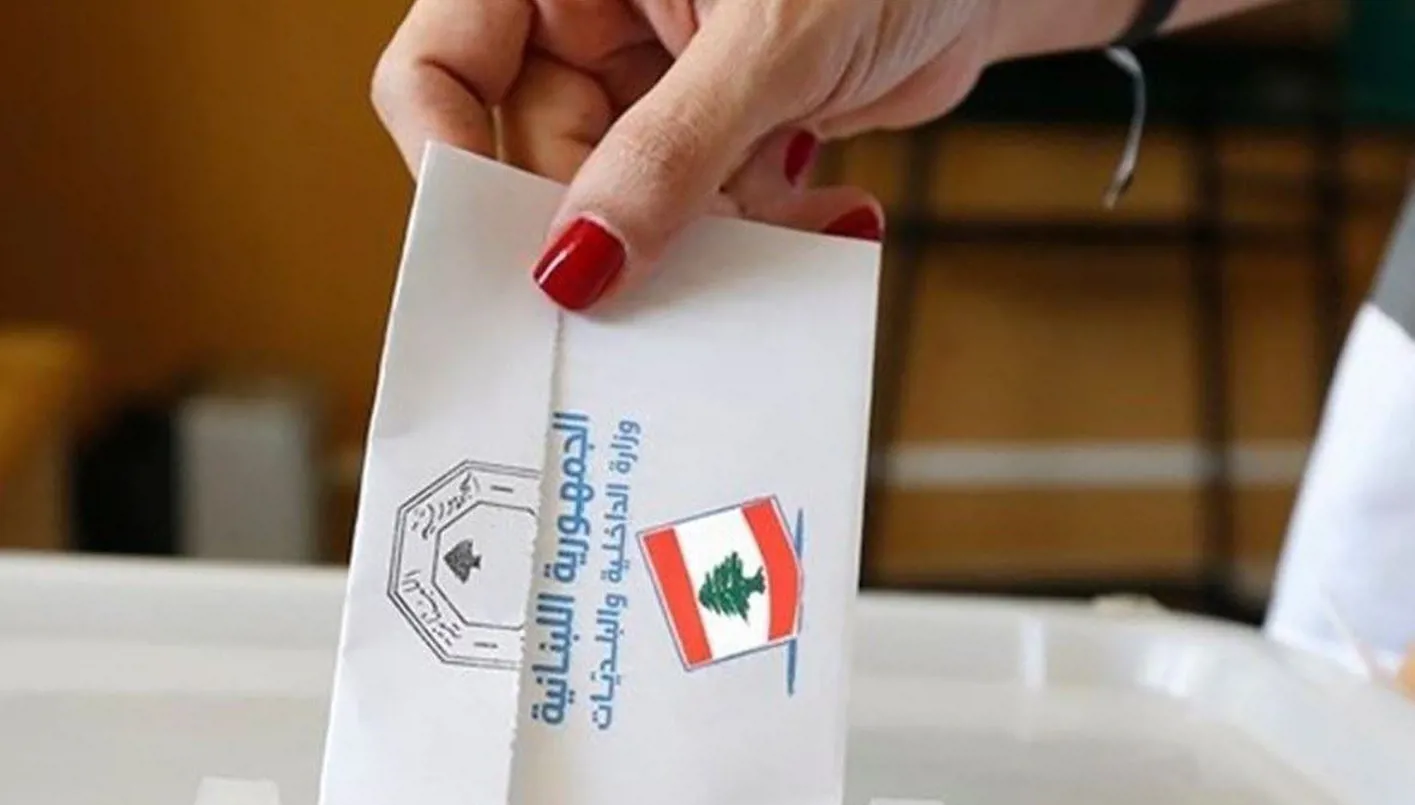
In a significant political development on the French landscape, initial estimates show that Emmanuel Grégoire, the La République En Marche candidate, has won the Paris municipal elections. Conversely, Benoît Payan, the candidate from the right-wing faction, achieved triumph in the city of Marseille. This win comes at a sensitive time as the French government seeks to regain trust following a series of social and economic crises.
The French municipal elections, held on March 15 and 22, 2020, were a stage for intense competition among major parties, particularly in large cities such as Paris, Marseille, and Lyon. Grégoire's victory in Paris serves as evidence of the continued influence of President Emmanuel Macron's party in the French capital, especially after its success in the legislative elections.
Grégoire represents a new generation of politicians and is one of the prominent names working to strengthen the government's liberal approach. His victory, despite pressures faced by the government due to the COVID-19 pandemic and economic crises, reinforces the ability of La République En Marche to adapt to challenges.
In Marseille, Benoît Payan, the right-wing candidate, played a key role in delivering a strong electoral message that made security and immigration central issues. Payan's win indicates potential shifts in political priorities in one of France's largest cities, where concerns about crime and social fragmentation have increased.
These elections take place within multiple contexts, including public reaction to the government’s handling of the COVID-19 pandemic, leading to protests and criticisms regarding its approach to social issues. The significance of development projects and public services remains central to voter concerns.
Regionally, these elections reflect similar developments experienced in other countries in the area, where economic and political circumstances influence electoral outcomes. In Arab countries, such as Tunisia, discussions about freedoms and social justice echo the election landscape to some extent. In several nations, demands for improved living conditions have emerged, creating a contrast between traditional and rising parties.
Moreover, governments in Arab states are awaiting the results of these French elections, with some regimes forecasting that if liberal trends continue, this could stimulate shifts towards more open policies.
The victories of Emmanuel Grégoire and Benoît Payan are seen as clear indicators of political shifts in French society and their impact on the broader European landscape, potentially leading to changes that might promote more protectionist trade or immigration policies among European nations.
It can be asserted that the results achieved by the parties in these elections represent a response to the demands of numerous voters, prompting political parties to rethink their domestic and foreign policies in light of demographic and political shifts in France.