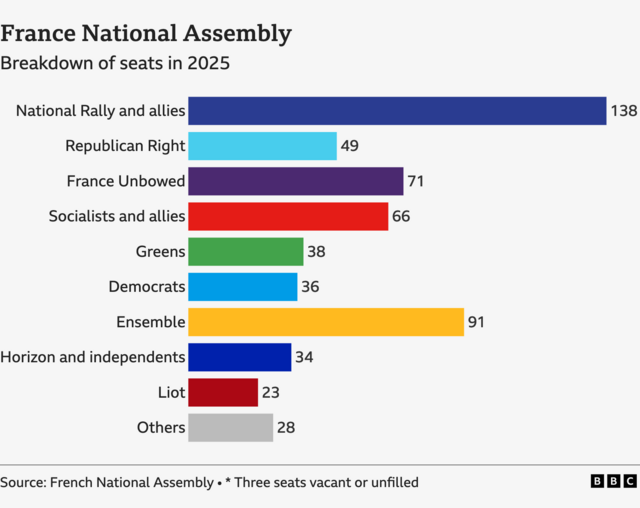
In a controversial move, the French National Assembly has passed a bill to combat social and tax fraud, gaining broad support from various political factions, ranging from the far-right to the center. However, this law faces sharp criticism from leftist parties, which accuse the government of targeting the vulnerable in society.
The bill aims to enhance oversight of social assistance and taxes, and its supporters view it as a necessary step to combat corruption and fraud. Conversely, opponents argue that it focuses on the poor while leaving tax fraudsters unpunished, thereby widening the social gap in the country.
Details of the Legislation
The bill was approved by a substantial majority, with a large number of deputies from various parties voting in favor. It includes new measures designed to improve monitoring mechanisms and verify the accuracy of information provided to obtain social assistance. Additionally, it imposes stricter penalties on violators.
Despite the wide support, discussions surrounding the bill have been intense. Many deputies from leftist parties consider the law to reflect an unjust government policy, punishing the poor while the wealthy and fraudsters escape penalties.
Background & Context
This move comes at a time when France is grappling with significant economic and social challenges, with rising poverty and unemployment rates in recent years. This situation has raised concerns within the government, prompting it to take stringent measures to combat social and tax fraud. Historically, France has faced issues within its social welfare system, with numerous cases of fraud reported. Previous governments have attempted to address this issue, but results have been mixed. The current bill is seen as a new attempt to tackle this phenomenon.
Impact & Consequences
If effectively implemented, this law could lead to an improvement in the state's financial situation and increase trust in the social assistance system. However, there are fears that focusing on the poor may exacerbate social conditions, potentially leading to increased protests and demonstrations on the streets of France. There is also concern that this law could be used as a political tool by the government to undermine the rights of vulnerable groups, which may further deepen social divisions in the country.
Regional Significance
The implications of this legislation extend beyond France, as it reflects broader trends in social policy across Europe. Countries facing similar economic challenges may look to France's approach as a model, either to emulate or to critique. The debate surrounding this law highlights the tension between fiscal responsibility and social equity, a dilemma that many nations are currently navigating.
In conclusion, while the law represents a significant step in the fight against fraud, it raises important questions about its impact on the most vulnerable populations. The ongoing discussions will likely shape the future of social policy in France and influence similar debates in other countries.