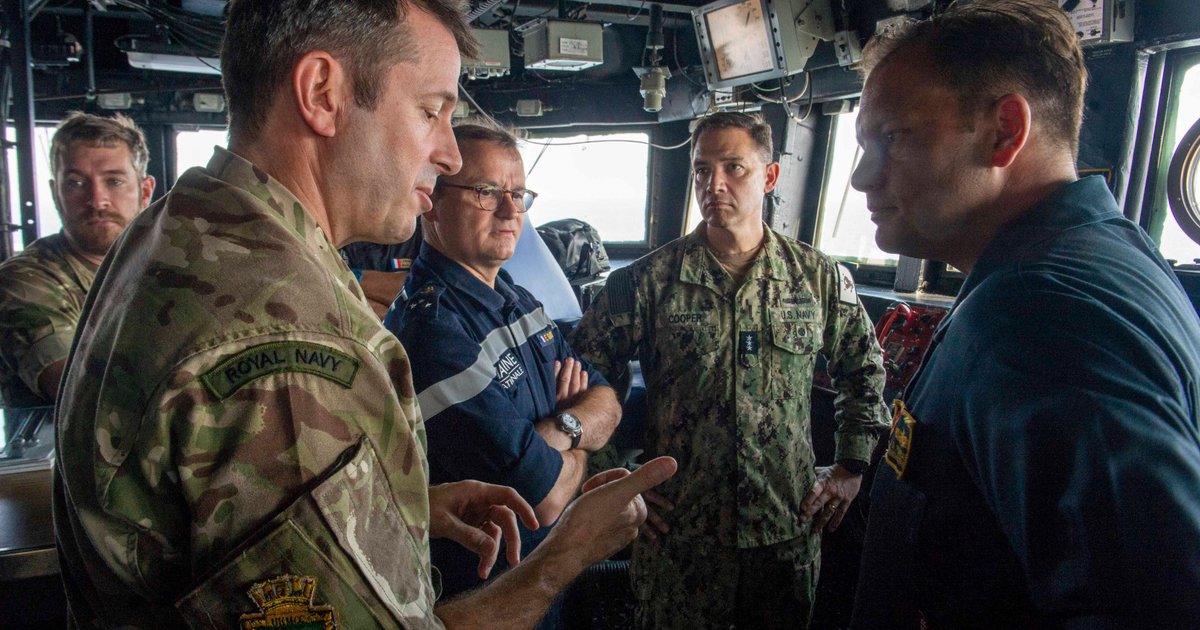
The French Navy Chief, Admiral Pierre Villemure, has stated that there is no evidence at this stage indicating the presence of mines in the Strait of Hormuz. These remarks come at a time when the region is experiencing increasing tensions, raising concerns about the safety of maritime navigation in one of the world's most critical waterways.
In his statements, Admiral Villemure confirmed that the French Navy is closely monitoring the situation and is prepared to intervene if necessary. He also noted that the French naval forces are working in coordination with their allies to ensure the safety of navigation in the area.
Details of the Incident
The Strait of Hormuz is a vital transit point for oil and natural gas, with approximately 20% of the world's total oil exports passing through it. In recent years, the strait has witnessed numerous incidents and tensions, including attacks on oil tankers, which have heightened concerns regarding maritime security.
The French Navy Chief's statements follow a series of events that have raised alarms in the region, including attacks on oil tankers in recent months. These incidents have led to calls from several countries to enhance security in the strait, thereby increasing the significance of the French remarks.
Background & Context
Historically, the Strait of Hormuz has been a theater for numerous geopolitical conflicts and tensions. In 2019, the strait saw a significant escalation after Iran seized a British oil tanker, which led to heightened tensions between Tehran and London. Additionally, tensions between the United States and Iran have significantly impacted the situation in the region, with Washington accusing Tehran of engaging in activities that threaten navigation.
In recent years, many countries have bolstered their military presence in the region, including the United States, Britain, and France. These moves aim to ensure the safety of navigation and protect economic interests in the area.
Impact & Consequences
The implications of the situation in the Strait of Hormuz extend beyond the region, as any escalation in tensions could affect global oil prices and increase economic instability. Should any incidents occur, financial markets could be significantly impacted, leading to widespread economic repercussions.
Furthermore, the situation in the strait could influence international relations, as major powers may be compelled to adopt more stringent stances in the face of potential threats. This could lead to an escalation of geopolitical conflicts in the region, complicating the security landscape.
Regional Significance
For Arab countries, the situation in the Strait of Hormuz represents a vital issue, as many nations rely on oil exports through this corridor. Any escalation in tensions could impact Arab economies and increase economic pressures on governments.
Moreover, stability in the Strait of Hormuz is essential for regional security. Any threat to navigation could lead to increased tensions between Arab states and Iran, complicating relations in the region.
In conclusion, the situation in the Strait of Hormuz remains under close observation, as concerns about security and navigation continue to rise. The French statements reflect the importance of international cooperation in addressing security challenges in the region.