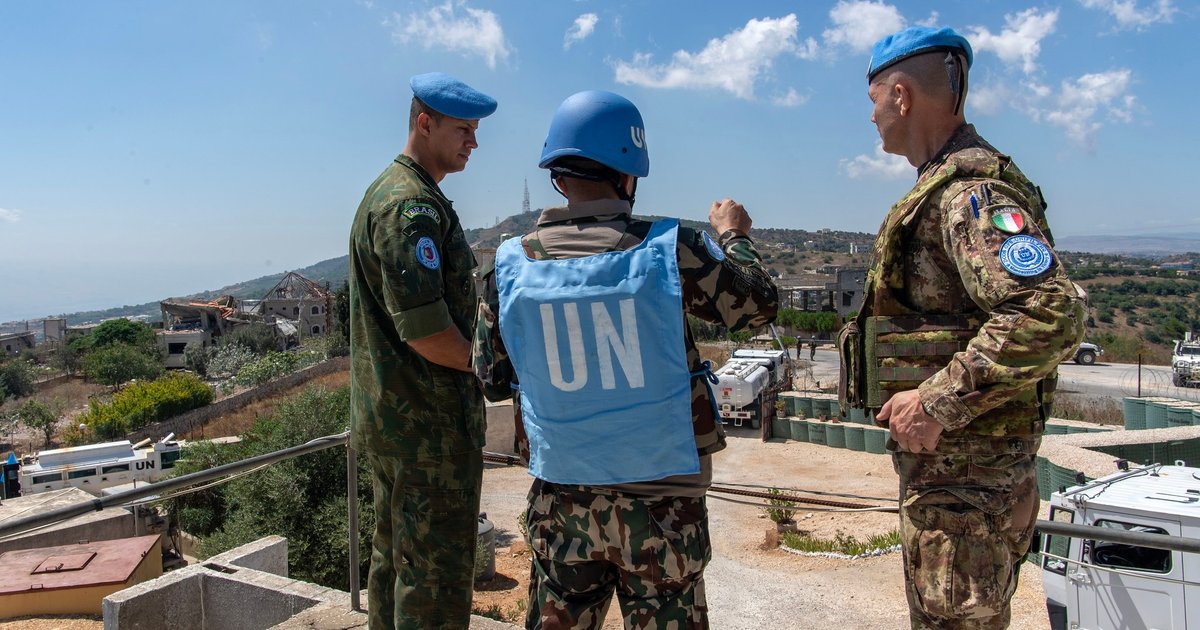
French Minister of State for the Armed Forces, Ales Roufou, announced on Wednesday that French peacekeeping forces operating in Lebanon have faced unacceptable intimidation. These remarks come at a sensitive time, as Indonesia has urged the United Nations to open an investigation into the deaths of three of its soldiers serving in the United Nations Interim Force in Lebanon (UNIFIL), following Israeli strikes targeting areas in southern Lebanon.
In her statements to the press, Roufou emphasized that this type of intimidation is intolerable, underscoring the importance of protecting peacekeeping forces operating under the UN umbrella. She noted that these forces play a vital role in maintaining stability in the region and ensuring the safety of civilians.
Details of the Incident
These developments come amid rising tensions in the region, where the Lebanese-Israeli border has witnessed significant military escalation. The Israeli strikes that resulted in the deaths of Indonesian soldiers have sparked angry reactions from the Indonesian government, which has called for a comprehensive investigation into the incident.
Roufou also expressed her concern over the escalating violence in the region, indicating that this situation could negatively impact the UN's peace and stability efforts. She affirmed that France will continue to support UNIFIL and provide the necessary assistance to ensure the safety of its soldiers.
Background & Context
The United Nations Interim Force in Lebanon (UNIFIL) was established in 1978 to monitor the implementation of Security Council Resolution 425, which calls for the withdrawal of Israeli forces from Lebanon. Since then, UNIFIL has played an important role in maintaining security in southern Lebanon, despite ongoing challenges.
Historically, the region has witnessed numerous armed conflicts, making the presence of peacekeeping forces essential. However, tensions between Israel and Hezbollah, along with political and economic crises in Lebanon, complicate the achievement of lasting stability.
Impact & Consequences
The rise in violence and intimidation against peacekeeping forces could lead to serious repercussions for regional security. An increase in attacks on UNIFIL forces may hinder peace efforts and further complicate the security situation in Lebanon.
Moreover, the deaths of the Indonesian soldiers could provoke reactions from the international community, potentially leading to pressure on Israel to reassess its military strategies in the region. This incident may also affect relations among the contributing countries to UNIFIL and heighten tensions between Arab nations and Israel.
Regional Significance
This incident serves as evidence of the ongoing challenges faced by the Arab region in achieving peace and stability. Military tensions, particularly in Lebanon and Palestine, directly impact regional security and heighten fears of new conflicts erupting.
These events underscore the urgent need to enhance dialogue among the concerned parties and work towards peaceful solutions to conflicts. The continuation of violence and intimidation could exacerbate humanitarian crises and increase the suffering of civilians in the region.
In conclusion, the recent events in Lebanon indicate the necessity for a reassessment of security and political strategies in the region, reaffirming the importance of supporting peacekeeping forces to ensure stability. The current situation requires a concerted effort from both international and local actors to achieve lasting peace and protect civilians from the consequences of armed conflicts.