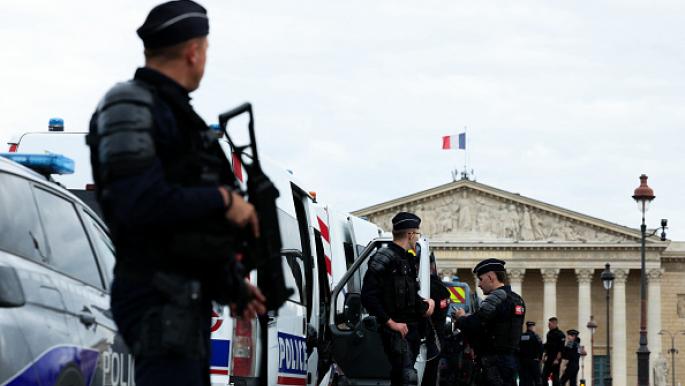
The French police announced on Thursday a ban on an annual gathering of French Muslims in northern Paris, indicating a "significant terrorist threat" that could target this event. This decision comes in the context of increasing security concerns in the country, especially following a series of terrorist attacks that have targeted civilians in recent years.
The gathering, which was set to bring together thousands of Muslims to celebrate Islamic culture and strengthen social ties, has been canceled based on thorough security assessments. This decision has sparked mixed reactions within the Muslim community in France, with some viewing the ban as a reflection of rising tensions between the government and Islamic communities.
Event Details
This event is considered one of the largest gatherings for Muslims in France, bringing together individuals from various ages and backgrounds to celebrate Islamic culture and exchange ideas. However, with the rise of terrorist threats, authorities found themselves compelled to take strict measures to ensure the safety of citizens. The police confirmed that this decision was made after a comprehensive assessment of the security situation, where information was detected indicating a potential targeting of the event.
In recent years, France has witnessed numerous terrorist attacks, leading to heightened security measures across the country. This situation has raised significant concerns among various communities, including the Muslim community, which sometimes feels targeted by security policies.
Background & Context
Historically, France has been one of the European countries that has seen an increase in the number of Muslims, making it a hub for Islamic culture in the West. However, the rise in terrorist attacks, particularly after the Paris attacks in 2015, has led to significant changes in security policies. Laws related to immigration and security have been tightened, impacting the lives of Muslims in the country.
This incident is part of a series of events that reflect the tensions between the French government and Muslim communities. In recent years, many cultural and religious events have been banned under the pretext of security concerns, sparking widespread debate over freedom of expression and religion in the country.
Impact & Consequences
This decision is expected to have a significant impact on the relationship between the government and the Muslim community in France. Many Muslims may feel targeted, potentially exacerbating social tensions. Additionally, this ban may affect Muslims' ability to publicly express their cultural and religious identity.
Moreover, this decision could lead to increased polarization within French society, as some feel compelled to defend their identity in the face of challenges. At the same time, the government may enhance its security measures, increasing anxiety among citizens.
Regional Significance
This incident holds particular importance for the Arab region, as it reflects the challenges faced by Muslim communities in the West. Such events may raise awareness about human rights and religious freedoms, prompting Arab governments to reconsider their policies towards their citizens abroad.
Reactions from Arab countries may vary, with some governments calling for the enhancement of rights for Muslims abroad, while others may prefer not to interfere in the internal affairs of Western countries. Ultimately, this issue remains a significant point of interest for media and analysts in the region.
In conclusion, the decision to ban the annual gathering of Muslims in Paris highlights the ongoing challenges faced by Islamic communities in Europe and reflects the increasing tensions between security and freedom of expression. It is crucial that these issues remain in the spotlight, as they require a comprehensive approach that fosters understanding and tolerance among different cultures.