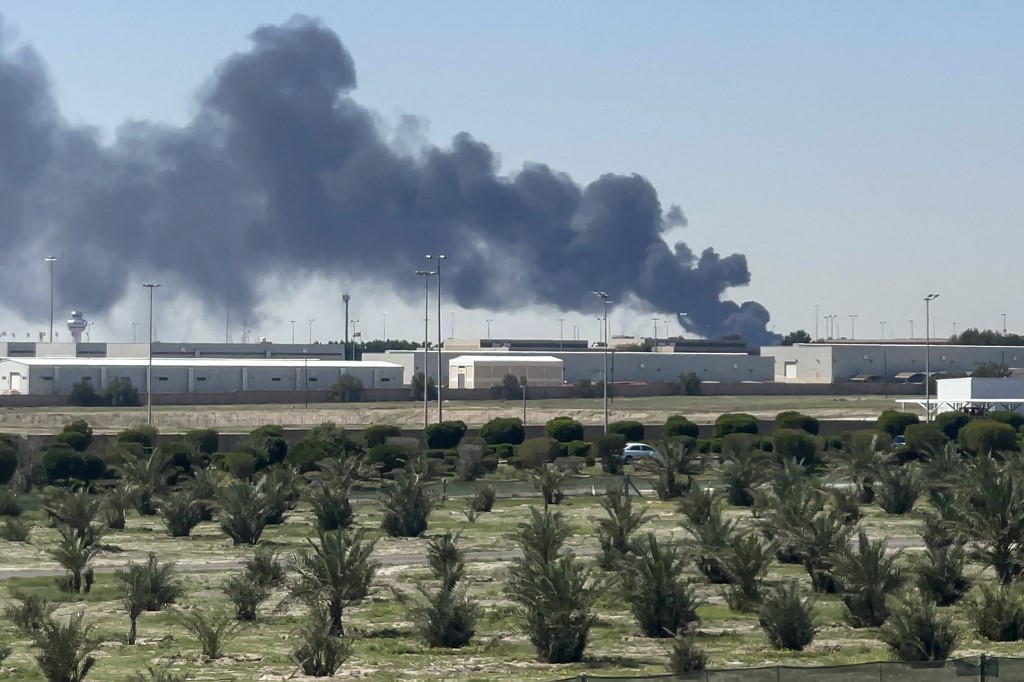
A French ship has successfully crossed the Strait of Hormuz for the first time since the onset of war, with its route altered to reflect its French ownership. This development comes amid heightened tensions in the region, where a Japanese ship transporting liquefied natural gas was granted safe passage earlier today.
The specifics of how the French vessel secured its passage remain unclear, but French President Emmanuel Macron has previously called for the use of diplomacy to end the blockade imposed on certain maritime routes.
Details of the Event
The French vessel that traversed the Strait of Hormuz is a container ship, and its route was modified to confirm its French ownership. This crossing is viewed as a sign of improving conditions in the region, where there have been concerns about escalating maritime tensions due to regional disputes.
Simultaneously, the Japanese ship that received safe passage represents a positive step in the context of international efforts to ensure the safety of maritime navigation in this vital area. The Strait of Hormuz is one of the world's most crucial maritime corridors, through which approximately 20% of the world's total oil passes.
Background & Context
The Strait of Hormuz is a strategic maritime passage linking the Arabian Gulf and the Gulf of Oman, witnessing heavy traffic of commercial and oil vessels. Since the beginning of conflicts in the region, particularly following escalating tensions between Iran and the United States, navigation in this strait has become a focal point of global interest.
Historically, the Strait of Hormuz has experienced numerous crises, including piracy incidents and military tensions. In recent years, there have been increasing calls from major nations to ensure freedom of navigation in this passage, especially in light of potential threats from certain regional states.
Impact & Consequences
The crossing of the French ship could have positive effects on regional stability, as this development demonstrates ongoing international efforts to ensure safe navigation. Additionally, this crossing may reflect an improvement in relations between major powers and regional states, potentially leading to a de-escalation of tensions.
Moreover, this development could enhance trust among maritime companies and investors, contributing to an improved economic situation in the region. However, the biggest challenge remains how to address ongoing tensions in the area and secure navigation on a permanent basis.
Regional Significance
This crossing represents an important step for Arab countries, many of which rely on trade and oil movement through the Strait of Hormuz. If these efforts to ensure safe navigation continue, it could lead to greater economic stability in the region.
Furthermore, these events highlight the importance of international cooperation in addressing maritime challenges, which could bolster the role of Arab states in enhancing maritime security in the region. Ultimately, there is hope that these developments will contribute to achieving peace and stability in the Arabian Gulf region.