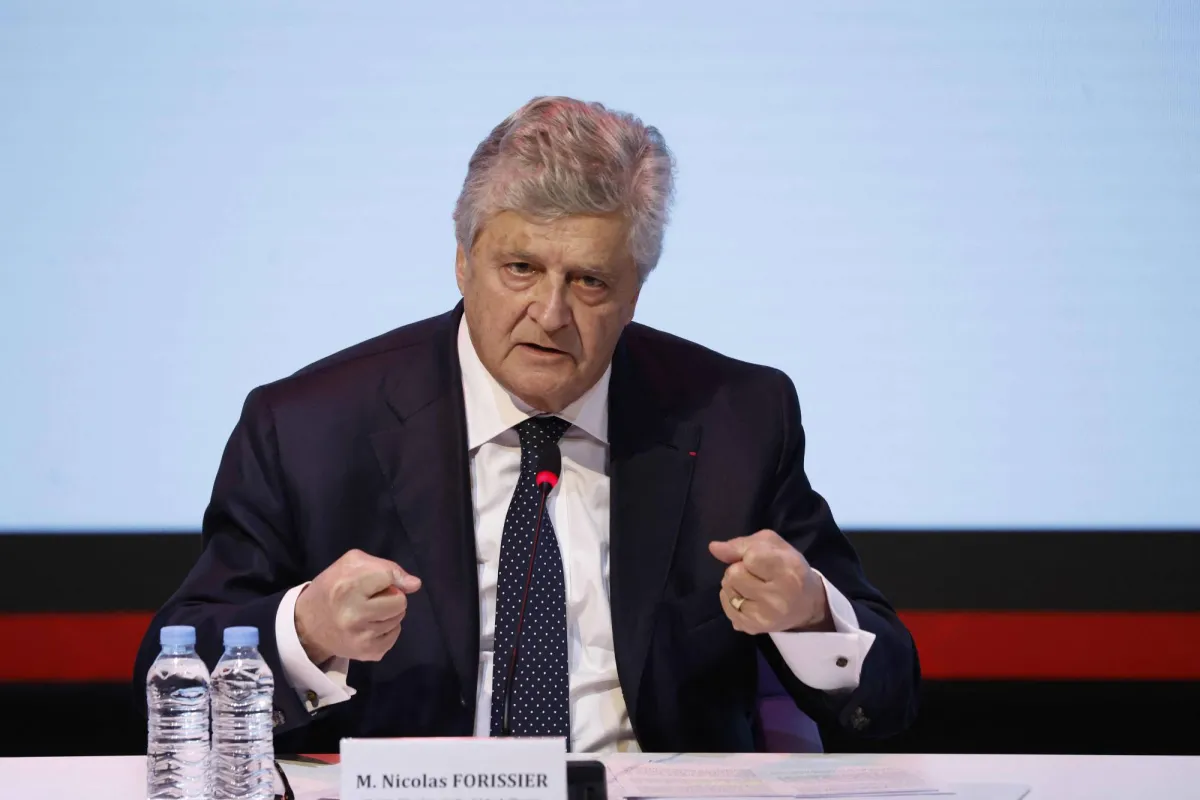
French Minister for Foreign Trade, Nicolas Forissier, commenced a two-day visit to Rabat yesterday (Thursday), leading an economic delegation comprising 45 companies. This visit is part of efforts to bolster the strategic partnership between Morocco and France.
The significance of Minister Forissier's visit is heightened by the ongoing regional and international economic transformations, as Morocco is experiencing rapid developmental dynamics that make it an increasingly attractive hub for foreign investments.
Event Details
The discussions during the visit focused on enhancing economic partnership, with particular attention to infrastructure and communications related to preparations for the 2030 World Cup, which is considered a key driver for economic development, investment, and industrial cooperation. The French side aims to participate in implementing projects in transportation, energy, and services.
The delegation accompanying the French minister includes business leaders representing diverse sectors, including infrastructure, communications, sports events, as well as the aviation and agriculture industries, with federations related to the grains and cattle breeding sectors being part of this delegation.
Background & Context
This visit comes within the framework of the mutual desire to renew the partnership between France and Morocco, which was initiated during French President Emmanuel Macron's visit to Morocco in October 2024. The visit aims to expand areas of economic and trade cooperation, as Morocco is one of France's most prominent economic partners in Africa, while Paris serves as a key gateway for European investments into the Moroccan market.
The discussions encompass vital areas such as food security, particularly concerning wheat supply, a sector that has seen close cooperation between the two countries, with Morocco being one of the leading importers of French wheat.
Impact & Consequences
The visit underscores Morocco's growing attractiveness as an investment destination, thanks to its political stability, strategic geographical location, and industrial development, especially in vital sectors such as aviation, automotive, and renewable energies. The participation of dozens of French companies in the delegation indicates an increasing interest in the opportunities Morocco provides, both in the local market and as a platform for export to Africa and Europe.
This visit coincides with an international context characterized by increasing economic competition for emerging markets, as major powers seek to enhance their presence in Africa. Morocco represents a crucial pivot in the French economic strategy on the continent.
Regional Significance
This visit reflects a desire to reactivate bilateral relations between Morocco and France, especially in light of geopolitical and economic transformations that are pushing for a reordering of international partnerships. Furthermore, strengthening cooperation between the two countries may contribute to regional stability and enhance economic development opportunities in neighboring countries.
In conclusion, the visit of the French minister to Morocco represents an important step towards strengthening economic relations between the two countries, opening new horizons for cooperation and investment, and reflecting France's commitment to supporting development in Morocco.