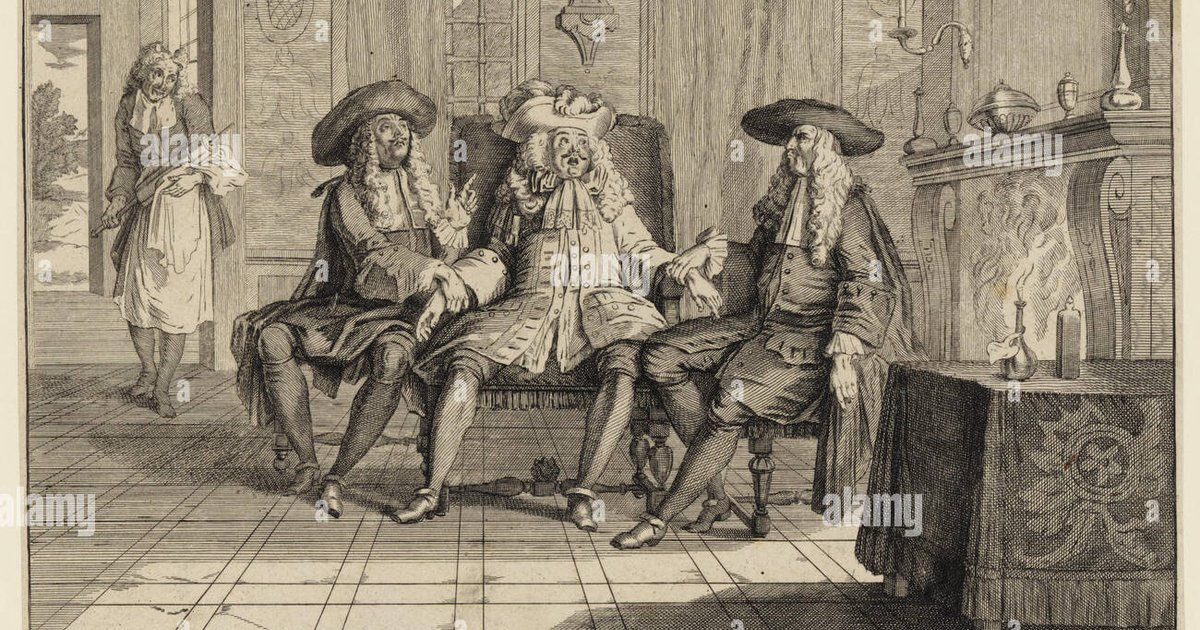
Sigmund Freud (1856-1939) is considered one of the most prominent figures in the history of psychiatry, having established a documented scientific approach to psychoanalysis. However, this does not mean he was the first in this field, as he was preceded by many thinkers who contributed to the development of ideas that led to the emergence of this science. Among these, the name of the French philosopher Molière stands out, who utilized humor to address psychological and social issues.
Molière had a significant impact on psychological thought, using comedy as a means to explore human psychology and behaviors. Through his characters and works, he was able to reflect the psychological conflicts individuals experience, making him a pioneer in this field before the advent of Freud.
Molière's Works and Psychological Conflicts
The works of Molière, such as Tartuffe and The Miser, embody the psychological conflicts faced by individuals in society. Through his characters, Molière provided a deep analysis of human behaviors, contributing to a deeper understanding of the psychological dimensions that characterize humanity. This use of humor was not merely a means of entertainment but served as a tool for understanding psychological complexities.
In this context, it can be said that Molière acted as a bridge between philosophy and art, using theater as a means to explore the human psyche. His works paved the way for Freud, who later established psychoanalysis systematically.
Historical Context and Background
Historically, the interest in psychoanalysis dates back to ancient times, where philosophers like Plato and Aristotle addressed issues of the psyche and behavior. However, there was no documented scientific method until the emergence of Freud. Molière's works contributed to shaping social and psychological awareness, making them part of the cultural heritage that influenced modern psychological thought.
Understanding the historical context in which these ideas emerged helps to grasp the various dimensions of psychoanalysis. Philosophy and art during that period expressed the psychological and social challenges faced by society, contributing to the formation of new concepts regarding the human psyche.
Impact and Consequences of Molière's Work
The influence that Molière left on psychological thought extends to our current era, where his works are still studied and analyzed in the context of understanding human psychology. The use of humor as a means to understand psychological conflicts reflects the importance of balancing rational and emotional aspects in humans.
Furthermore, a deep understanding of the psychological dimensions addressed by Molière contributes to the development of modern psychological treatment methods. Humor can be an effective tool in psychotherapy, enhancing individuals' ability to face their psychological challenges.
Significance in the Arab Region
In the Arab region, Molière's works continue to be studied and analyzed, as they are considered part of the cultural heritage that reflects psychological and social challenges. Understanding these works can contribute to the development of psychological treatment methods in Arab communities, enhancing awareness of the importance of mental health.
In conclusion, it can be said that Molière was not just a playwright but a true philosopher who, through his works, left a profound mark in the field of psychoanalysis. Understanding his influence contributes to raising awareness of the importance of mental health in modern societies.