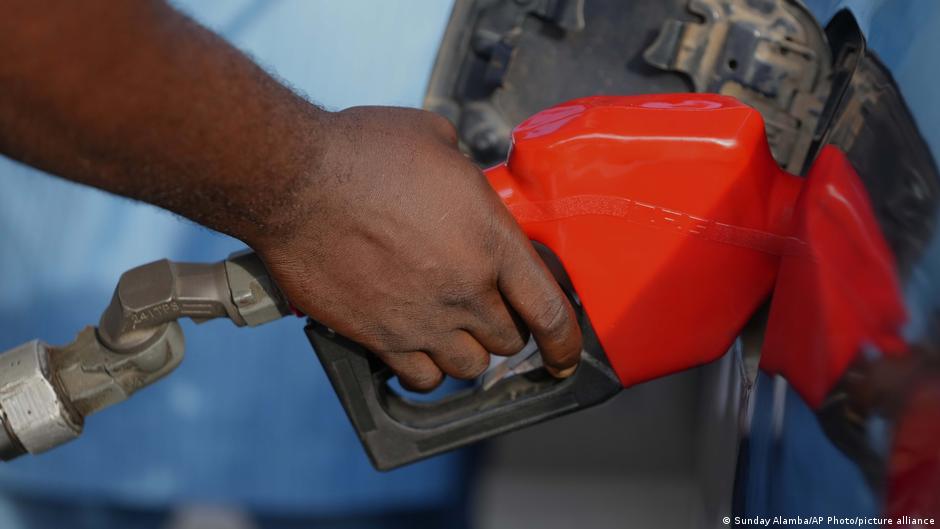
Africa is experiencing an increasing fuel crisis amidst the ongoing war between the United States and Iran, resulting in unprecedented rises in oil prices. In Kenya, reports indicate a shortage of up to 20% at fuel stations, with most of this shortage attributed to excessive purchasing by citizens. This crisis highlights Kenya's reliance on continuous imports, as it typically maintains reserves sufficient for two to three weeks of national demand.
In neighboring Tanzania, the country has witnessed price hikes exceeding 30% at fuel pumps, a level not seen since 2022 during the Russian invasion of Ukraine. Current forecasts suggest that existing supplies may only meet the country's needs for another month, threatening further price increases.
Event Details
In Ethiopia, the government has taken urgent steps to direct supplies towards government projects and major industries, while fuel deliveries have completely halted in the troubled Tigray region, amid fears of a potential new civil war. In South Sudan, despite having some of the best oil reserves on the continent, refining capacity is limited, forcing the country to rely on importing electricity from refined oil.
Independent expert on external debt and human rights at the United Nations, Atika Wars, believes that the current crisis may worsen. She reported that only 40% of most African countries have access to an electricity grid, increasing the likelihood of future electricity shortages.
Background & Context
Nigeria, Africa's largest oil producer, is attempting to increase its refining capacity, both in its dilapidated government facilities and at the private Dangote oil refinery in Lekki near Lagos. Despite Dangote's increased production, Nigeria's government refining infrastructure has suffered from decades of neglect, leading the country to continue exporting crude oil while importing refined petroleum products.
African oil-producing countries like Nigeria and Angola find themselves constrained under the current geopolitical climate, as many of these nations carry significant debts not only with the International Monetary Fund but also with private debts to other countries around the world. This means that the oil available in these countries cannot be used domestically but must be exported to service debts.
Impact & Consequences
Wars warns that the oil shortage threatens to halt factories in several countries worldwide, negatively impacting African economies. She calls for African nations to take swift action, such as implementing price controls to address the escalating crisis. She notes that some other countries have taken measures such as work-from-home orders and closing public places to alleviate pressure on oil supplies.
In South Africa, the government, known for its internal disputes, seems to be finally uniting to resolve this crisis. The government has agreed to take steps to mitigate the impact on citizens, with calls from the largest coalition partner, the Democratic Alliance, to relieve the burdens on consumers.
Regional Significance
The Arab region is also affected by the repercussions of this crisis, as many Arab countries rely on importing oil and petroleum products. With rising global prices, Arab nations may face similar challenges in securing energy supplies at affordable prices. Arab countries must consider strategies to secure their supplies from diverse sources to avoid future crises.
In conclusion, the current fuel crisis in Africa serves as a warning to Arab nations about the necessity to enhance their energy capabilities and move towards diversifying their sources to avoid future crises.