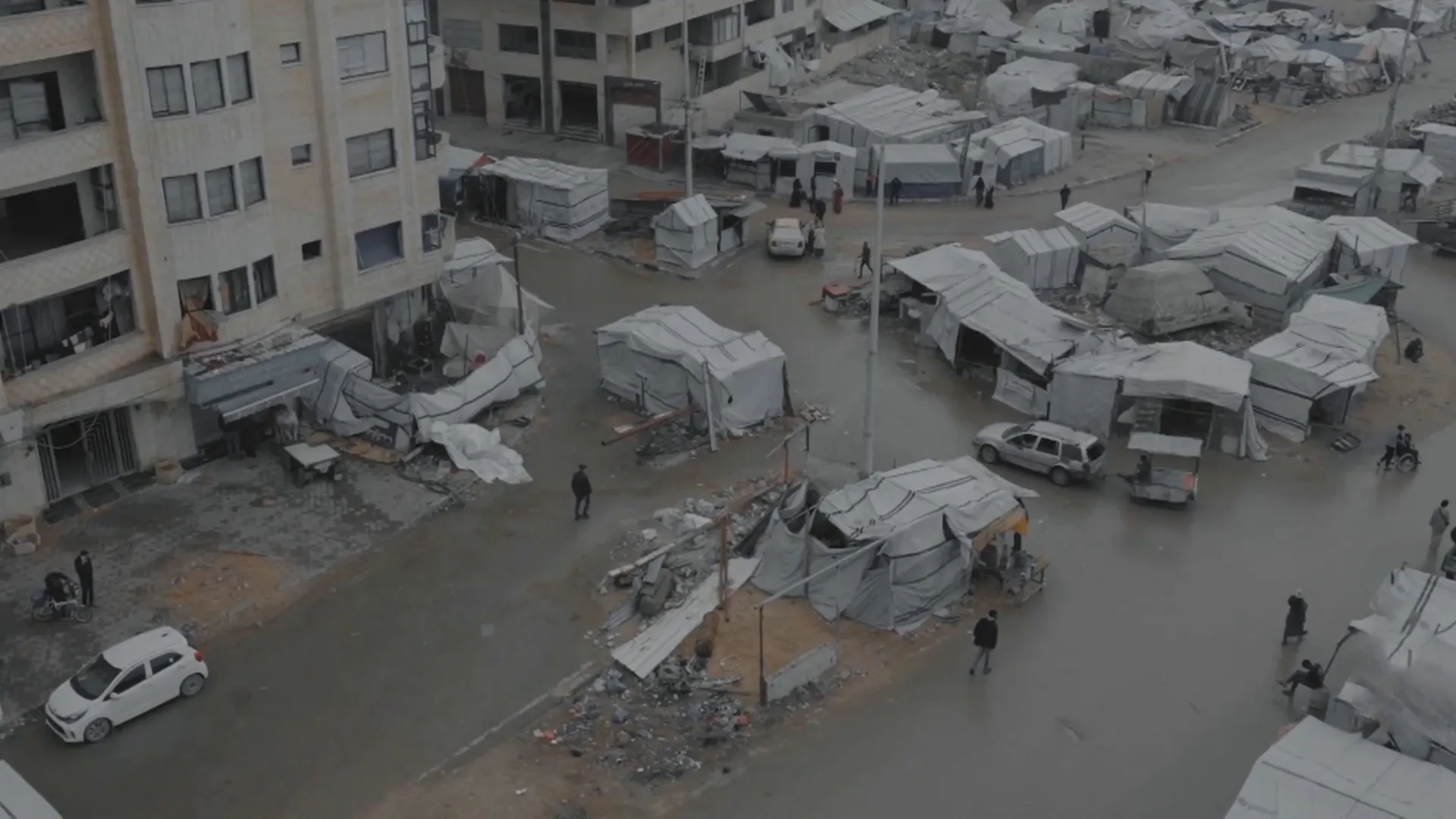
The ongoing fuel crisis in Gaza has significantly exacerbated the suffering of its residents, with many drivers resorting to using their vehicles as primitive means of transport. In a scene that reflects the dire conditions faced by the population, drivers are attaching carts behind their vehicles to carry passengers, which multiplies the risks associated with navigating the damaged roads.
This phenomenon comes at a time when the region is experiencing a sharp rise in fuel, oil, and spare parts prices, leading to vehicles being overloaded beyond their capacity. This situation not only increases the likelihood of accidents but also threatens the safety of both passengers and drivers.
Details of the Situation
Reports indicate that the fuel crisis in Gaza has worsened significantly in recent months, with residents facing a severe shortage of public transportation. This shortage has led to an increased reliance on private cars, which are now being used as makeshift taxis. Consequently, drivers are forced to overload their vehicles with more passengers, heightening the risk of accidents.
Statistics show that traffic accidents in Gaza have risen sharply, as the damaged roads exacerbate the problem. With public transportation unavailable, residents find themselves compelled to depend on these primitive means, further increasing their daily struggles.
Background & Context
Historically, the Gaza Strip has suffered from multiple crises, ranging from the long-standing blockade to economic and social challenges. These crises have contributed to the deterioration of infrastructure, including roads and transportation. As the blockade continues, Gaza faces a severe fuel shortage, which directly impacts the daily lives of its residents.
In recent years, Gaza has witnessed numerous humanitarian crises, including food and water shortages, alongside a decline in health services. As the fuel crisis worsens, it has become increasingly difficult for residents to move freely, leading to greater isolation and affecting their daily lives.
Impact & Consequences
The fuel crisis in Gaza significantly impacts the daily lives of residents, who face challenges in reaching work, schools, or even accessing basic services. Additionally, the use of primitive transport increases the risk of accidents, threatening the safety of both passengers and drivers.
Moreover, the deterioration of public transportation affects the local economy, as traders struggle to transport goods. This, in turn, leads to rising prices and further exacerbates the suffering of residents already facing difficult economic conditions.
Regional Significance
The Gaza crisis exemplifies the challenges faced by many regions in the Arab world, grappling with humanitarian and economic crises. The situation in Gaza highlights the urgent need for international community support to improve living conditions for residents and provide essential transportation and services.
Furthermore, the situation in Gaza could impact regional stability, as humanitarian crises may exacerbate political and social tensions in the area. Therefore, addressing these crises requires collective efforts from Arab countries and the international community.
In conclusion, the fuel crisis in Gaza remains a significant challenge for residents, who strive to adapt to difficult conditions. The need for effective and sustainable solutions remains urgent to ensure the improvement of residents' lives and provide safe and reliable transportation.