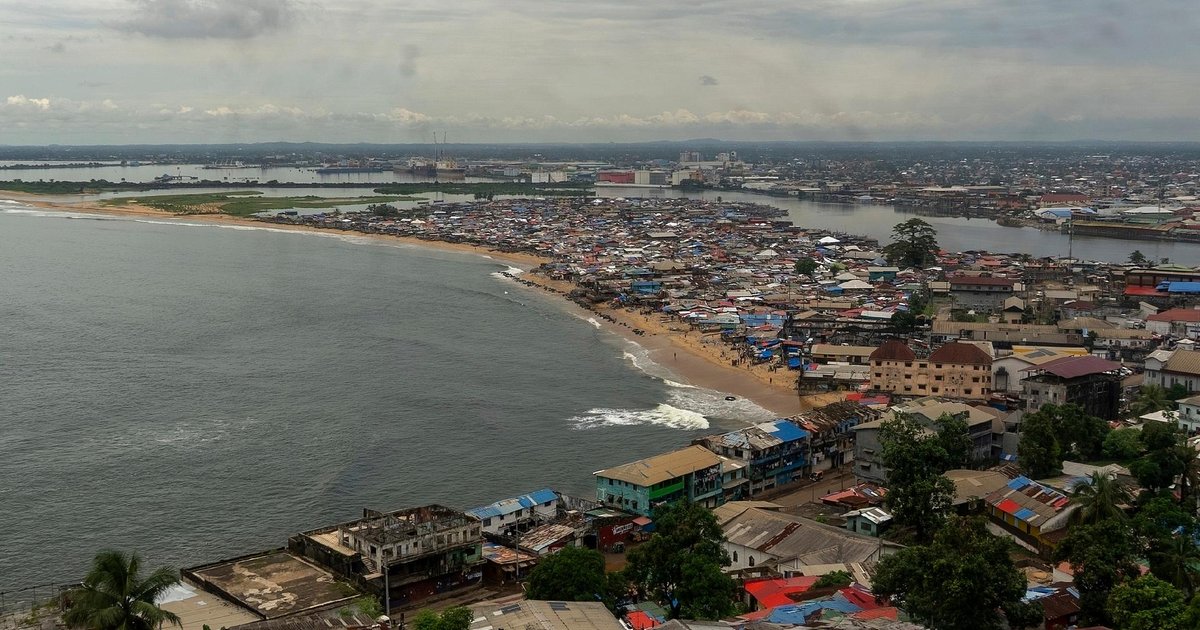
The Liberian government has recently announced a new increase in fuel prices, compelling citizens to spend more to meet their daily needs. This hike comes at a time when the world is experiencing sharp fluctuations in oil prices, further intensifying the economic pressures on the Liberian people.
This increase marks the second in just a few months, as the government seeks to address the economic challenges stemming from rising oil prices in global markets. The decision has elicited mixed reactions among citizens, who are already grappling with the repercussions of economic crises.
Details of the Fuel Price Increase
This fuel price hike occurs at a sensitive time for the Liberian economy, which heavily relies on oil imports. The new prices have been set by the Ministry of Commerce and Industry, with the price of one liter of gasoline raised to unprecedented levels, adding financial burdens on households.
In light of these circumstances, many citizens express concern over how this increase will affect their daily lives, as fuel is a crucial element for them, whether for transportation or operating small businesses. There are also fears that this increase may lead to higher prices for other goods and services.
Background & Context
Historically, Liberia has experienced significant economic fluctuations, especially following the civil war that devastated the country in the 1990s. Despite efforts to rebuild the economy, the heavy reliance on imports, including fuel, makes the country vulnerable to global price volatility.
In recent years, global oil prices have seen notable increases, directly impacting developing countries like Liberia. The Liberian government, striving for economic stability, finds itself in a challenging position between the need to increase tax revenues and the growing public pressure.
Impact & Consequences
This increase in fuel prices is expected to exacerbate the economic situation in the country, affecting citizens' purchasing power. This could lead to higher poverty and unemployment rates, reflecting greater challenges the government faces in managing the economy.
Moreover, this increase may deter foreign investments, as companies might hesitate to enter the Liberian market amid price instability. Consequently, the government needs to devise effective strategies to address these challenges, including boosting local production and reducing reliance on imports.
Regional Significance
Fuel prices are a vital issue affecting many Arab countries, where their economies heavily depend on oil revenues. The rise in fuel prices in Liberia could signal future trends impacting global oil prices, which would reflect on the economies of Arab nations.
Under these circumstances, Arab countries must closely monitor developments in the oil market and work on diversifying their economies to reduce dependence on oil as a primary revenue source. This could help enhance economic stability in the region.
The increase in fuel prices in Liberia highlights the economic challenges faced by developing countries and underscores the importance of effective strategies to manage market fluctuations. Arab nations should learn from these lessons to avoid future economic crises.