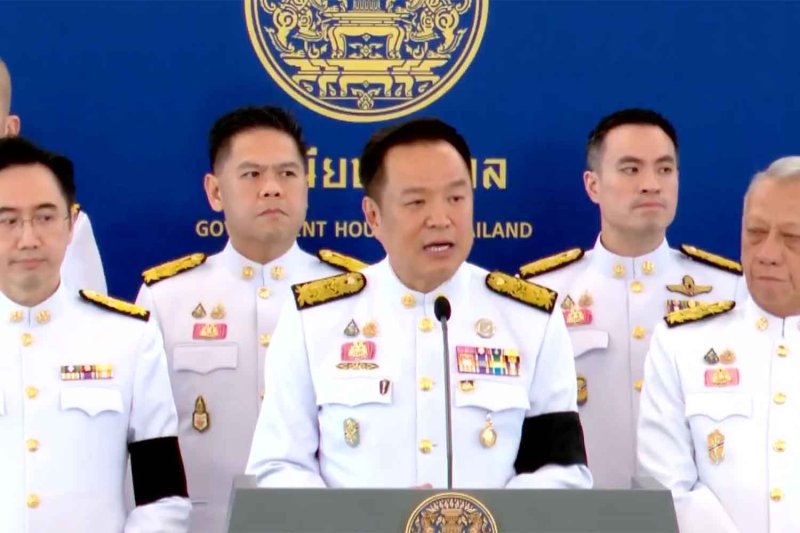
In an effort to alleviate the burdens on citizens, Thai Prime Minister Prayuth Chan-o-cha announced plans to reduce fuel and electricity prices. However, he cautioned that oil prices may remain elevated, which could negatively impact the financial situation of citizens.
These remarks came after the first meeting of the new Prayuth government, where he emphasized the importance of restructuring fuel and energy prices to ease financial burdens. He also pointed to additional measures, such as cost-sharing programs and offering consumer products at reduced prices.
Details of the Announcement
During his address, Prayuth clarified that the government would do its utmost to mitigate the effects of the global crisis on citizens, noting that fuel prices might stay high, necessitating urgent actions to assist the most affected groups.
He mentioned that the government would cut its budget to provide the necessary funds to support citizens during these challenging times, stressing the importance of collaboration among all parties to overcome the crisis.
Background & Context
These statements come at a time when the world is facing an energy crisis due to the ongoing war in the Middle East, which has significantly impacted oil production in the region. Thailand relies on half of its oil imports from the Middle East, making it vulnerable to fluctuations in global prices.
The situation is further complicated by the rising costs of energy, which could lead to increased prices for goods and services, thereby putting additional pressure on low-income families.
Impact & Consequences
Rising fuel prices are expected to affect various economic sectors in Thailand, from transportation to agriculture. The increase in energy costs may lead to higher prices for goods and services, further intensifying the pressures on households with limited incomes.
The government faces significant challenges in balancing support for citizens while maintaining economic stability. The potential for widespread economic repercussions necessitates careful planning and execution of the proposed measures.
Regional Significance
The implications of these developments extend beyond Thailand, as they reflect the interconnectedness of global markets and the ripple effects of geopolitical tensions. The Thai government's response will be closely monitored by other nations facing similar challenges.
In conclusion, the government's proactive stance in addressing fuel prices and energy costs is crucial in navigating the current crisis and ensuring the well-being of its citizens.