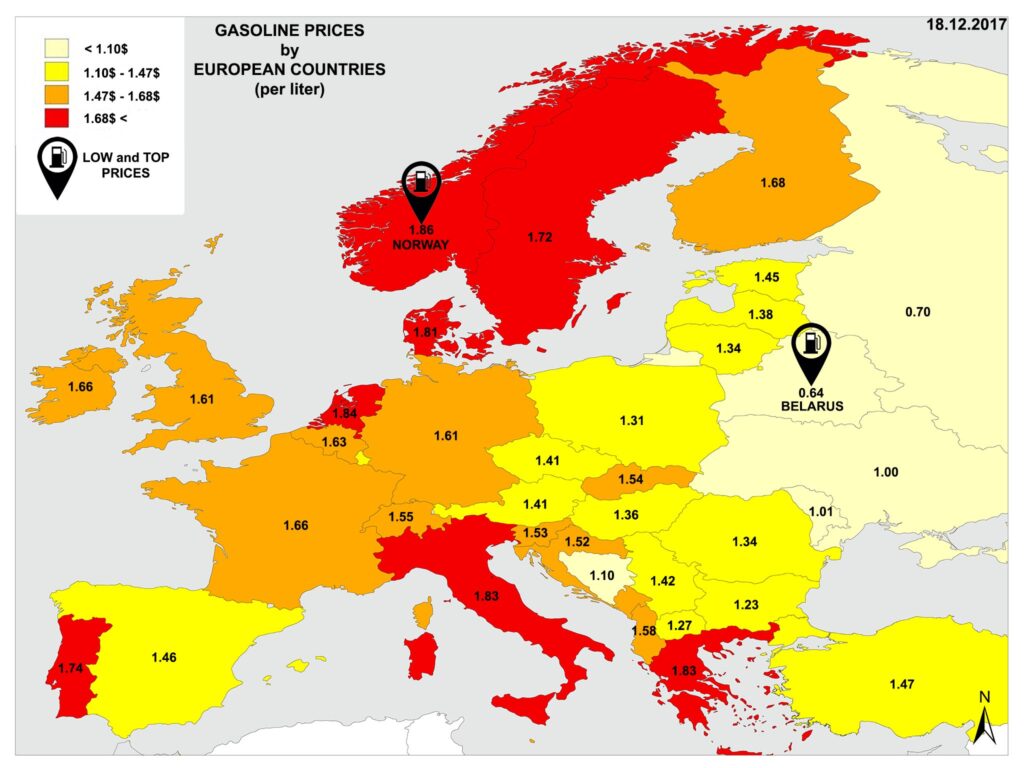
Fuel prices in Europe, especially for SP95-E10, have risen again, surpassing €2 per liter, following a period of decline observed in mid-April. This change reflects the ongoing fluctuations in the European energy market.
This price increase coincides with the announcement of a ceasefire between the United States and Iran, significantly affecting market expectations. Such events cast a shadow over price stability in global markets.
Details of the Price Surge
In mid-April, the price of SP95-E10 dropped below €2 per liter, providing hope for consumers seeking relief from financial burdens. However, prices quickly rebounded, raising concerns among many about the future of fuel prices in the coming months. This surge occurs at a sensitive time when many citizens are grappling with the repercussions of rising living costs.
Fuel prices directly impact transportation and goods costs, meaning any increase will affect the economy as a whole. Prices are expected to continue their volatility under current conditions, making it challenging for consumers to adapt to these changes.
Background & Context
Historically, fuel prices in Europe have experienced significant fluctuations due to geopolitical events and changes in supply and demand. Political crises in the Middle East have led to increased instability in energy markets, directly influencing prices. Additionally, climate changes and environmental policies play a role in determining fuel prices.
The recent rise in fuel prices reflects broader trends in the global economy, where energy costs are closely tied to geopolitical stability and market dynamics. Consumers are left to navigate these uncertainties as they plan their budgets and expenditures.
Impact & Consequences
The ongoing rise in fuel prices can lead to increased inflation, affecting consumers' purchasing power. In the current economic climate, many families may struggle to meet their basic needs. Furthermore, rising transportation costs could lead to higher prices for goods and services, increasing pressure on the economy.
As fuel prices continue to climb, the potential for widespread economic repercussions grows. Businesses may face higher operational costs, which could be passed on to consumers, further straining household budgets.
Regional Significance
The implications of rising fuel prices extend beyond individual consumers, impacting the overall economic landscape in Europe. Governments may need to intervene to stabilize prices or provide support to vulnerable populations facing increased living costs.
In conclusion, the recent surge in fuel prices in Europe highlights the intricate relationship between geopolitical events and economic stability. As consumers brace for the impact, the need for effective policy responses becomes increasingly urgent.