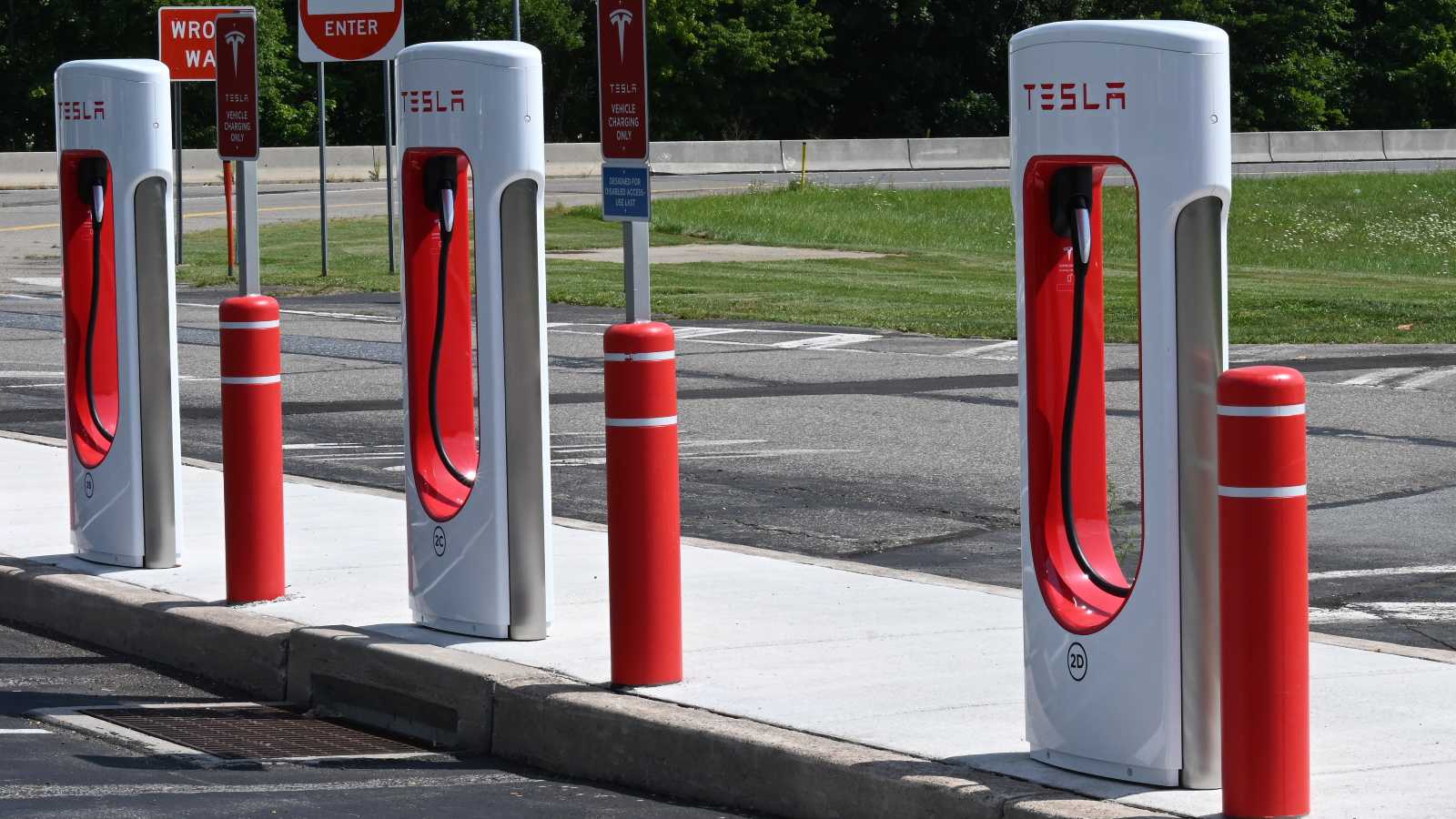
The price of SP95 gasoline in France has surpassed €2 per liter, igniting widespread political debate regarding how the government intends to use the tax revenues generated from rising oil prices. The French Minister of Finance announced that the government plans to invest these revenues in projects aimed at transforming the French economy into an electric economy.
This decision has faced significant opposition from right-wing and far-right parties, which argue that this step will increase the financial burden on citizens at a time when the country is grappling with rising living costs. In contrast, left-wing parties such as France Unbowed and the Communist Party have called for price controls on fuel instead of tax increases.
Details of the Event
This increase in fuel prices comes at a sensitive time for the French economy, as citizens strive to adapt to the repercussions of the global energy crisis. Reports have shown that oil prices have seen a noticeable rise in recent months, affecting fuel costs across Europe. The French government hopes that the increasing tax revenues will help fund renewable energy projects, which is seen as a step towards achieving carbon neutrality by 2050.
However, these plans face criticism from various political factions. Right-wing parties believe that the government should focus on alleviating the burden on citizens rather than imposing more taxes. There are also concerns that rising fuel prices will lead to increased inflation, negatively impacting the French economy.
Background & Context
Historically, France has experienced several waves of rising fuel prices, leading to widespread public protests, such as the Yellow Vest protests in 2018. Those protests were a reaction to increased fuel taxes, which citizens deemed unfair. In this context, the current government appears to be attempting to avoid a repeat of those events by proposing investment plans instead of imposing additional taxes.
The current situation coincides with international efforts to transition to renewable energy sources, which compels European governments to make difficult decisions regarding investments in traditional energy versus clean energy.
Impact & Consequences
This increase in fuel prices is expected to affect many economic sectors, including transportation and logistics. The rising fuel costs may also lead to increased prices for goods and services, putting additional pressure on French households. At the same time, these measures could encourage investments in renewable energy, potentially contributing to France's environmental goals.
Although the government hopes that these plans will improve the environmental situation, negative feedback from citizens may impact the government's popularity in the future. In this context, the government must be cautious in how it implements these policies to avoid exacerbating economic and social issues.
Regional Significance
Fuel and oil prices are vital issues affecting many Arab countries, which heavily rely on oil revenues. Rising oil prices in global markets may lead to increased revenues in oil-producing countries such as Saudi Arabia and Iraq, but it may also create pressures on oil-importing countries like Egypt and Jordan.
In this context, Arab countries must adopt effective strategies to adapt to fluctuations in oil prices, including investing in renewable energy and developing alternative energy sources.
In conclusion, the issue of fuel prices in France serves as an example of the challenges faced by governments worldwide, as they must balance achieving environmental goals with the economic needs of citizens.