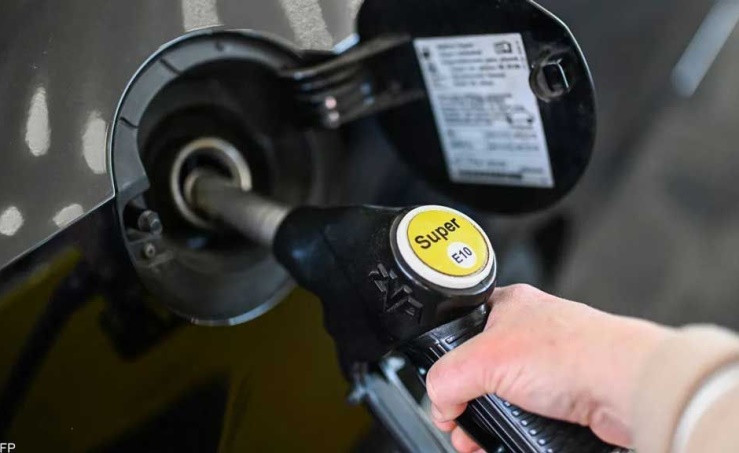
Millions of drivers in Thailand woke up on Thursday to a sharp increase in fuel prices, which jumped by up to 22% overnight. This decision came after the government moved to reduce financial support affected by rising global oil prices. This increase represents the largest rise in fuel prices the country has seen in decades, raising widespread concern among citizens.
This step comes at a time when the Thai government is facing increasing financial pressures due to rising global energy costs. Officials have indicated that this price increase aims to lessen the financial burden on the government, which has long subsidized fuel prices.
Details of the Event
According to reports, gasoline and diesel prices have risen significantly, impacting transportation costs and essential goods. Many drivers have expressed their dissatisfaction with this increase, considering it will negatively affect their personal budgets. Furthermore, this increase comes at a sensitive time, as many citizens are facing economic challenges due to the repercussions of the Corona pandemic.
At the same time, the government has confirmed that it will monitor the market to ensure that companies do not exploit this increase. However, many analysts believe that this move could exacerbate economic conditions in the country, especially amid rising food and transportation prices.
Background & Context
Historically, Thailand has relied on fuel price subsidies as a means to protect its citizens from global market fluctuations. However, the ongoing rise in global oil prices has made it difficult for the government to continue this support. In recent years, oil prices have experienced sharp fluctuations due to geopolitical crises and changes in supply and demand.
Thailand is one of the largest fuel consumers in Southeast Asia, with its economy heavily reliant on transportation. Therefore, any increase in fuel prices directly affects the local economy and leads to higher living costs.
Impact & Consequences
Many economic institutions expect this increase in fuel prices to lead to greater inflation in general prices. The rise in transportation costs will inevitably lead to increased prices for goods and services, placing additional pressure on Thai households.
Moreover, this increase may impact the tourism sector, which is one of the main sources of revenue in the country. Tourists may hesitate to visit the country if travel costs are high, which could negatively affect the Thai economy.
Regional Significance
These events in Thailand indicate the challenges faced by many countries amid rising global oil prices. In the Arab region, where many countries rely on oil exports, these increases may have varying effects. While some countries may benefit from rising prices, oil-importing nations may face pressures similar to those experienced by Thailand.
Ultimately, there is an urgent need to seek sustainable solutions to address energy price fluctuations, whether through enhancing renewable energy sources or improving energy consumption efficiency.