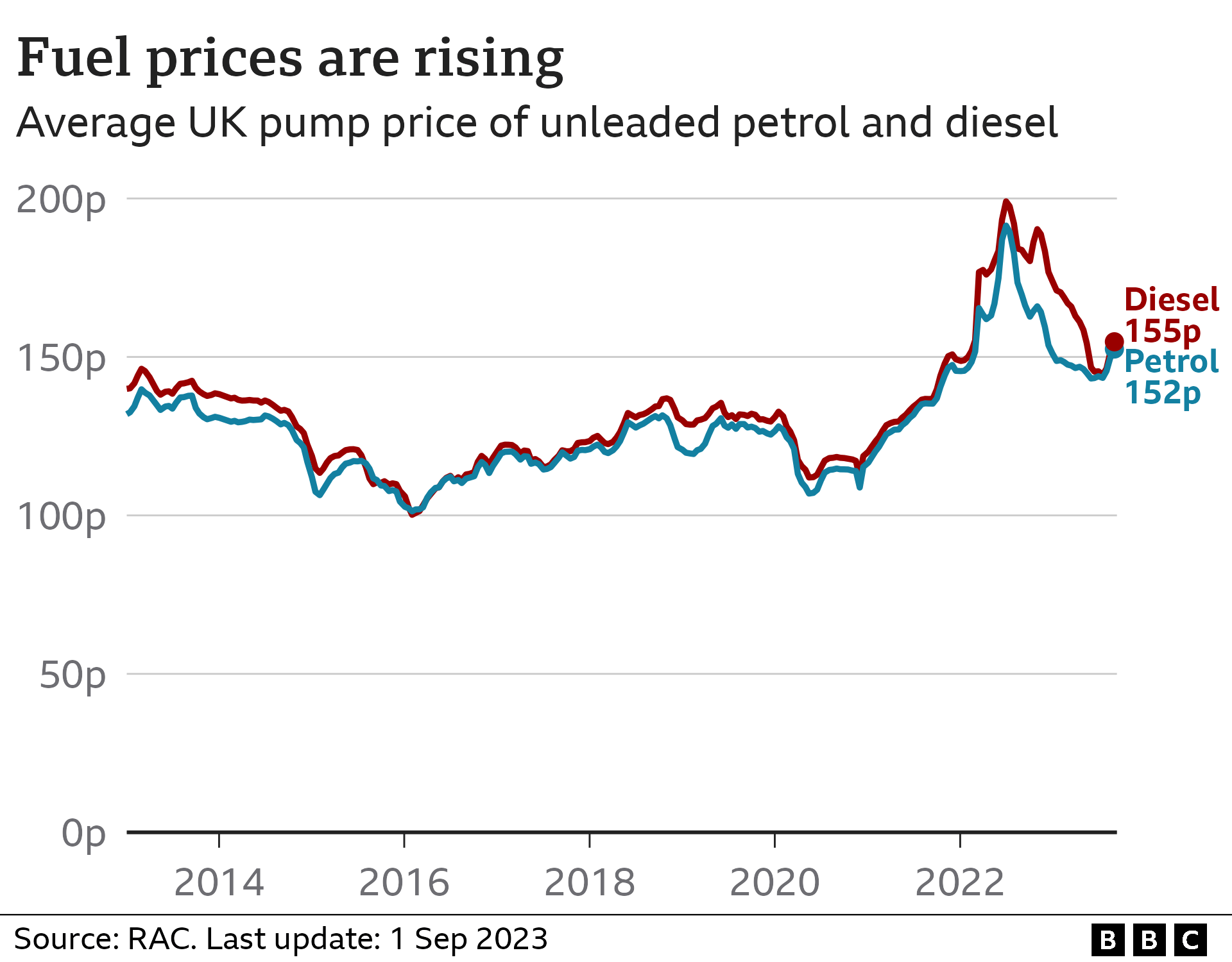
Fuel stations in Britain experienced supply disruptions on Friday, March 27, due to rising fuel prices driven by global unrest and increased demand. This situation is exacerbated by escalating tensions in the Middle East following U.S. and Israeli attacks on Iran, significantly impacting trade movements in the Gulf region.
Gasoline prices in Britain reached £1.50 (approximately 33,800 rupees) per liter, marking an increase of nearly 15% compared to the period before the conflict. Meanwhile, the price of diesel hit £1.77 per liter. Alan Leighton, the CEO of Asda, indicated that some of the company’s fuel stations are facing temporary supply difficulties.
Details of the Incident
Leighton reported that fuel demand has seen a noticeable increase due to price fluctuations, with demand surpassing available supplies. He confirmed that the company is working diligently to address this issue, noting that the current disruptions are temporary but may persist during the shipping period.
It is worth mentioning that tensions in the Middle East have escalated since the U.S. and Israel launched attacks on Iran on February 28. Iran responded by launching attacks on Israel and areas housing U.S. military assets in Jordan, Iraq, and Gulf states.
Background & Context
Historically, the Arabian Gulf region has been a major hub for global energy trade, with a significant portion of oil and gas supplies passing through it. Recent attacks on Iran could lead to further disruptions in this sensitive area, negatively impacting fuel prices in Western countries, including Britain.
Global markets heavily rely on the stability of supplies from the Gulf region. Any disruption in these supplies can lead to significant price increases, affecting the global economy as a whole.
Impact & Consequences
The rise in fuel prices in Britain could have negative effects on the local economy, as it will increase transportation and goods costs. This situation may reflect on food prices and essential goods, putting additional pressure on British households.
Moreover, supply disruptions may heighten tensions between the British government and consumers, as citizens may feel anxious about fuel availability at gas stations, potentially leading to increased demand.
Regional Significance
For the Arab region, escalating tensions in the Gulf could impact global oil prices, which may reflect on the economies of oil-producing countries. Arab nations that rely on oil exports will face additional challenges under these volatile conditions.
These events could prompt a reevaluation of energy strategies in the region, as some countries may seek to diversify their energy sources and reduce dependence on oil amid ongoing market fluctuations.