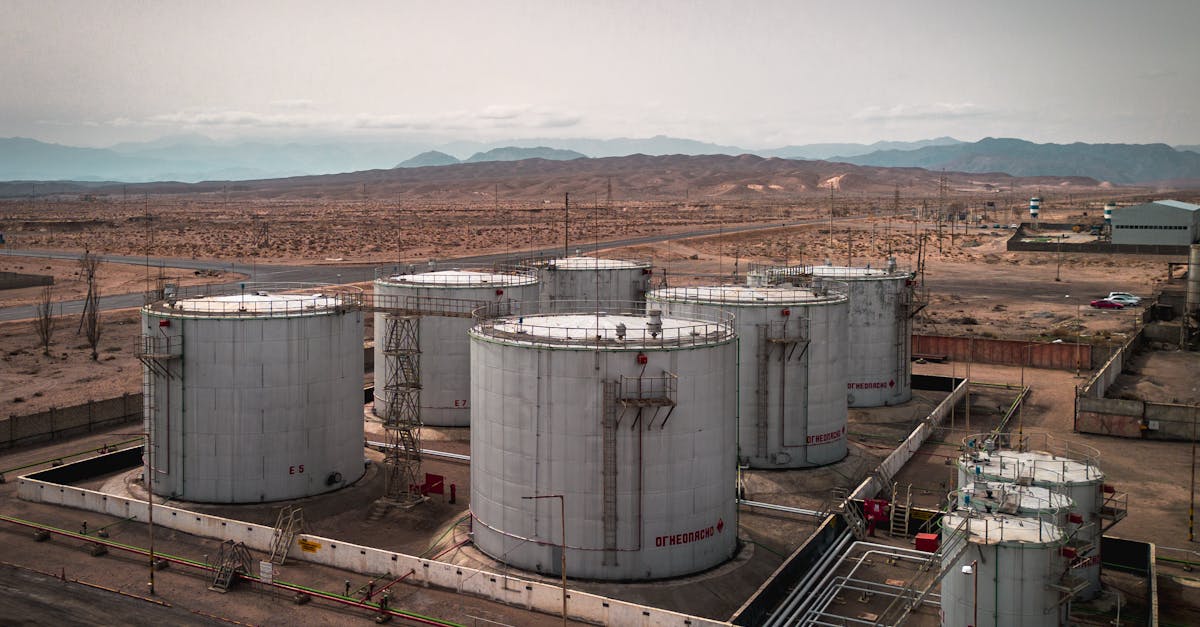
Fuel prices in Cambodia have seen a significant increase due to escalating conflict in the Middle East, with the Ministry of Commerce announcing a new rise in gasoline and diesel prices. As of April 1, the price of gasoline reached 5,450 Cambodian riels per liter, marking a 9% increase from the previous price.
Diesel prices have also been set at 7,500 riels per liter, reflecting a 4.16% increase, while liquefied petroleum gas (LPG) has risen to 3,900 riels per liter, an increase of 14.7%. Since the onset of the conflict in the Middle East, gasoline, diesel, and LPG prices in Cambodia have surged by 41.5%, 94.8%, and 95% respectively, according to official data.
Details of the Price Increase
These price hikes come at a sensitive time for the Cambodian economy, which relies entirely on imported oil and diesel. The country has yet to exploit its offshore oil reserves, making it vulnerable to fluctuations in global prices.
In an effort to mitigate the impact of these increases on citizens, the Cambodian government reduced customs duties and taxes on fuel products on March 20. Additionally, on March 28, the government decided to lower customs duties on electric and hybrid vehicles, reflecting a shift towards promoting the use of clean energy.
Background & Context
Historically, Cambodia has experienced fluctuations in fuel prices due to regional and global crises. The conflict in the Middle East, considered a major factor influencing global oil prices, has a direct impact on countries that rely on imports like Cambodia. Any escalation in the conflict can lead to rising oil prices, affecting transportation and living costs.
The Cambodian government is striving to improve the economic situation by encouraging the use of alternative energy, but challenges remain. With the ongoing conflict, fuel prices are expected to continue rising, increasing pressure on Cambodian households.
Impact & Consequences
The increases in fuel prices directly affect the cost of living in Cambodia, as citizens face difficulties in bearing the rising financial burdens. Moreover, higher fuel prices may lead to increased costs for other goods and services, negatively impacting the local economy.
On the other hand, these conditions may prompt the government to take further measures to support citizens, such as providing financial assistance or subsidizing fuel prices. However, these solutions may be limited given the public budget, which is also affected by rising global prices.
Regional Significance
The Arab region is among the most affected by conflicts in the Middle East, where political and military crises significantly impact oil prices. As the conflict escalates, Arab countries may also experience rising fuel prices, which will reflect on their economies and markets.
It is crucial for Arab nations to monitor developments in Cambodia and other countries affected by conflicts, as there may be lessons learned on how to handle economic crises resulting from sudden increases in fuel prices.