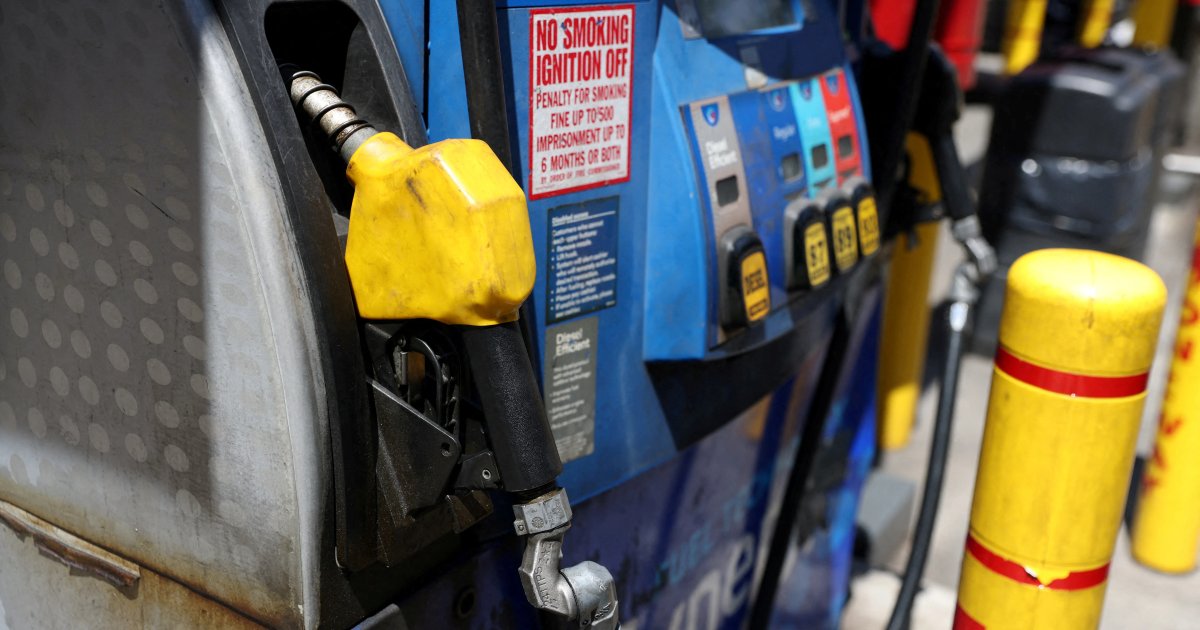
Fuel prices in the United States have experienced a significant surge, exceeding $4 a gallon, which reflects the negative impacts of the ongoing war in Iran on global energy supplies. This increase comes at a sensitive time, as consumers are facing mounting economic pressures due to rising living costs.
This price hike occurs amidst escalating tensions between Iran and Western nations, which have led to substantial fluctuations in global oil markets. As the conflict continues, experts predict that fuel prices will keep rising, further increasing the financial burden on American households.
Details of the Event
According to reports, fuel prices have risen markedly in recent weeks, with increases of up to 20% in some areas. This rise reflects instability in the market, as oil supplies are directly affected by geopolitical conflicts.
Concerns are growing that the continuation of the war in Iran could exacerbate the situation, potentially impacting global oil prices even further. Analysts have indicated that any additional escalation in the conflict could lead to further price increases, negatively affecting the American economy.
Background & Context
Historically, the Middle East has been a major hub for oil production, with Iran playing a vital role in this context. For decades, the region has witnessed multiple conflicts that have affected the stability of oil markets, leading to significant price fluctuations.
The current war in Iran is not new; it is part of a series of conflicts that have been ongoing for years. These conflicts often result in reduced oil supplies, increasing pressure on global prices. In recent years, oil prices have seen sharp rises and falls, impacting the global economy as a whole.
Impact & Consequences
The current rise in fuel prices has significant economic implications, affecting transportation and production costs, which could lead to price increases across various sectors. Additionally, rising fuel costs may influence consumer decisions, with some individuals potentially avoiding travel or purchasing non-essential goods.
Moreover, the increase in fuel prices could heighten pressures on the U.S. government, as economic and social policies may be affected as a result. The government may be compelled to take measures to mitigate the effects of this increase, such as providing financial support to affected households.
Regional Significance
Arab countries are also directly affected by these developments, as many nations rely on oil exports as a primary source of revenue. Any fluctuations in oil prices impact the economies of these countries, exacerbating the economic challenges they face.
Furthermore, the continuation of the conflict in Iran could lead to increased tensions in the region, potentially affecting security and stability in neighboring countries. This situation necessitates that Arab nations take proactive steps to address any potential repercussions.
In light of the current circumstances, it appears that fuel prices will remain under pressure, requiring both consumers and governments to take measures to adapt to these changes. The situation in Iran continues to be a key factor in determining market trends, making it essential to closely monitor developments.