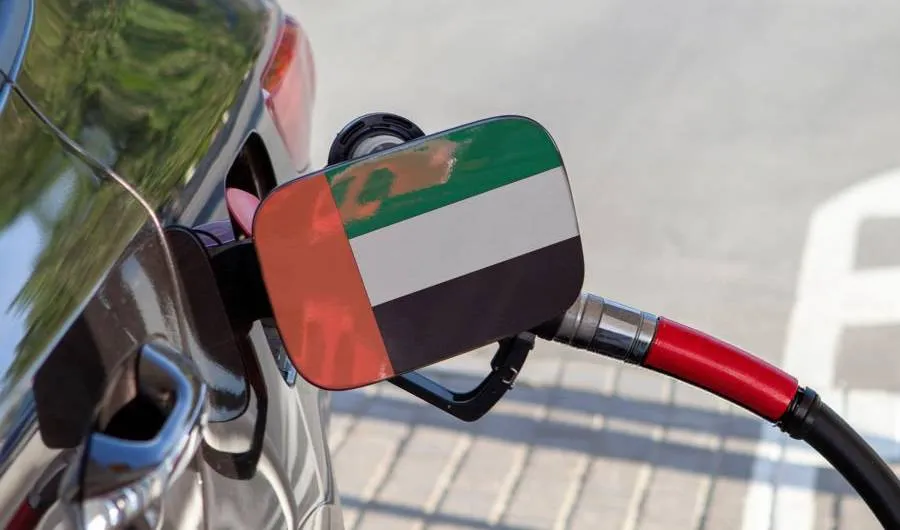
The UAE and Qatar announced on Tuesday a notable increase in fuel prices across both countries, with the UAE recording significant hikes in diesel and gasoline prices. In Abu Dhabi, the price of diesel surged by 72.4% to reach 4.69 dirhams per liter, while gasoline prices increased at varying rates, with 'Super 98' gasoline up by 30.8% to 3.39 dirhams per liter, 'Special 95' rising by 32.2% to 3.28 dirhams per liter, and 'E Plus 91' increasing by 33.3% to 3.20 dirhams per liter.
In Qatar, the price of 'Super 95' gasoline was raised by 7.9% to 2.05 riyals per liter, while the prices for Premium 91 gasoline and diesel remained steady at 1.85 and 2.05 riyals respectively.
Details of the Price Increase
These fuel price increases come at a time when oil prices are experiencing sharp rises, largely due to ongoing disruptions in the Strait of Hormuz, a vital artery for transporting 20% of the world’s oil production. These conditions have negatively impacted the exports of Gulf countries, with regional conflicts, including the war in Iran, leading to force majeure declarations at some oil facilities.
The governments of the UAE and Qatar are striving to address the economic pressures resulting from rising oil prices, which directly affect the cost of living for citizens and residents. Officials in the UAE indicated that this increase is part of the government's efforts to ensure the sustainability of the energy sector.
Background & Context
Over the past few years, fuel prices in Gulf countries have experienced significant fluctuations, directly influenced by global oil prices. In 2020, the COVID-19 pandemic led to a sharp decline in oil demand, severely impacting prices. As the global economy recovers, prices have begun to rise again, prompting governments to reassess their fuel pricing policies.
The UAE and Qatar are among the leading oil and gas producers, playing a crucial role in the global energy market. However, geopolitical challenges, such as conflicts in the Middle East, remain a persistent threat to market stability.
Impact & Consequences
These fuel price increases are expected to affect transportation and goods costs, potentially leading to price hikes across various sectors. Additionally, these increases may impact local consumption, as consumers might reduce their fuel usage.
These price hikes coincide with warnings from Japan's Finance Minister regarding market volatility, reflecting global concerns about the impact of rising oil prices on different economies. Financial markets may also be affected by these developments, potentially leading to fluctuations in stock prices.
Regional Significance
The increases in fuel prices in the UAE and Qatar signal the economic challenges facing Gulf countries, which could impact their financial stability. Given the volatile global economic conditions, other countries in the region may also consider similar measures to address economic challenges.
In conclusion, fuel prices in Gulf countries remain under scrutiny, as current economic and political conditions require a swift and effective response from governments to ensure market stability and protect citizens' interests.