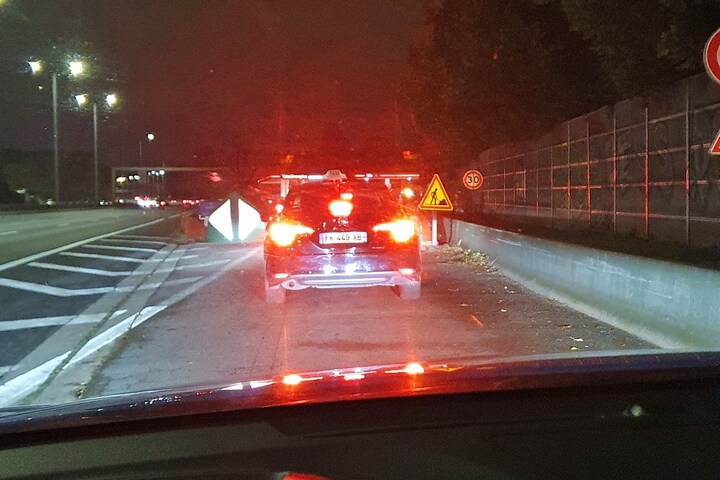
Fuel shortages have hit hundreds of gas stations across France as drivers rushed to fill their tanks following a price cap imposed due to global supply disruptions from the Middle East conflict. This crisis has led to a state of panic among citizens, resulting in an unprecedented surge in fuel demand.
These events come at a sensitive time, as global markets are experiencing significant fluctuations in energy prices, directly impacting the lives of French citizens. This situation has led to the closure of many stations due to fuel shortages, exacerbating the crisis.
Details of the Incident
Reports indicate that many gas stations in France, particularly in urban areas, are experiencing severe fuel shortages, with drivers flocking to fill their tanks before prices rise further. Images from social media have shown long queues of cars outside stations, reflecting the anxiety felt by citizens.
The French authorities have confirmed that they are working to address this crisis, announcing measures to secure fuel supplies at affected stations. It has also been emphasized that the government is closely monitoring the situation to ensure the crisis does not worsen.
Background & Context
This crisis occurs within a tense global context, where the conflict in the Middle East has led to disruptions in energy supplies, affecting fuel prices worldwide. Historically, France and other European countries have faced similar crises in the past, but this time the situation appears more complex due to ongoing geopolitical tensions.
In recent years, France has heavily relied on oil imports, making it vulnerable to fluctuations in global markets. Additionally, climate change and environmental policies have contributed to an increased reliance on alternative energy sources, but this transition has not been sufficient to mitigate dependence on fossil fuels at this time.
Impact & Consequences
Experts predict that this crisis will lead to an increase in fuel prices in the near future, which will impact transportation costs and essential goods. This increase could also lead to greater inflation in prices, putting additional pressure on French households.
Moreover, this crisis may affect the French economy as a whole, as rising energy costs could lead to a decline in domestic consumption, negatively impacting economic growth. The anxiety among citizens may also result in a decrease in trust in the government and its ability to manage crises.
Regional Significance
The Middle East is one of the largest oil-producing regions in the world, and thus any disruptions in supplies directly affect global prices. This situation may open opportunities for some Arab countries to enhance their role in global energy markets, especially if crises continue in European countries.
Furthermore, these events could lead to increased cooperation between Arab countries and European nations in the energy sector, strengthening economic and political relations between both sides. Ultimately, this crisis serves as a reminder of the importance of sustainable energy sources and the need to shift towards safer alternatives.