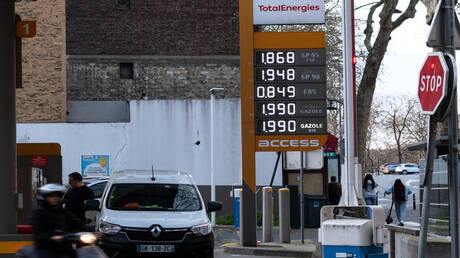
Fuel stations in France are facing a severe crisis as they approach depletion of their stocks due to a significant increase in demand from drivers. This situation arises amid a cap on fuel prices and supply shortages caused by the repercussions of the war in Iran.
With growing concerns over fuel shortages, drivers have rushed to fuel stations to stockpile large quantities, further exacerbating the crisis. This situation has raised fears of long queues at stations, threatening to disrupt transportation and mobility across the country.
Details of the Crisis
Reports indicate that fuel stations in France have begun to suffer from a severe shortage of supplies, with recent data showing a significant increase in the percentage of stations experiencing fuel shortages. The imposition of a cap on fuel prices has led to a surge in demand for refueling, contributing to the rapid depletion of stocks.
This crisis coincides with escalating tensions in the Middle East, particularly in Iran, where the ongoing war is affecting global oil supplies. These conditions have impacted France's ability to secure adequate fuel supplies, intensifying the crisis.
Background & Context
Historically, France has faced similar crises in fuel supplies, where political and economic crises played a significant role in affecting the market. However, the current situation appears more complex due to geopolitical factors influencing oil prices.
Iran is one of the largest oil producers in the world, and any disruptions in this country directly affect global markets. As tensions rise, many countries are seeking to secure alternative supplies, increasing pressure on prices.
Impact & Consequences
The French government anticipates that the fuel crisis will persist for some time, potentially affecting transportation and mobility in the country. This situation may also lead to increased prices for goods and services, as many sectors rely on fuel for their daily operations.
At the same time, this crisis may increase pressure on the French government to take urgent measures to ensure market stability. Such measures may include increasing supplies from other countries or easing price restrictions.
Regional Significance
The fuel supply crises in France serve as an indicator of the challenges faced by Arab countries amid geopolitical tensions. Any increase in oil prices affects the economies of Arab nations that heavily rely on oil exports.
Additionally, the situation in Iran, as an oil-producing country, remains a focal point for Arab nations, as any changes in supplies or prices could impact market stability in the region.
In conclusion, amid the escalating crises in fuel supplies, European countries, including France, must take urgent steps to ensure market stability and meet citizens' needs. Meanwhile, the Arab region remains affected by geopolitical tensions, necessitating greater coordination among countries to ensure price and supply stability.