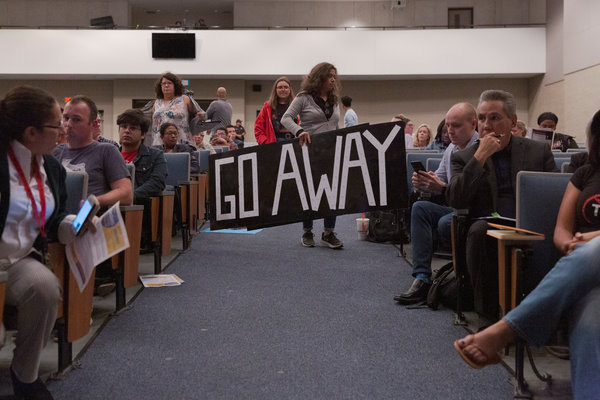
The New York Times reports that school funding in Texas has contributed to rising hostility towards Muslims. This development coincides with increasing social and political tensions in the country, where this move is seen as reflecting a shift in educational policies that may negatively impact Muslim communities.
Some groups in Texas are pushing for religious education in public schools, raising concerns among Islamic circles. Observers have noted that this funding could be used as a means to promote hate speech against Muslims, exacerbating divisions within the community.
Details of the Event
In its report, The New York Times confirmed a noticeable increase in funding allocated to schools promoting curricula that include religious content, raising fears that these funds could be exploited to advance extremist ideas. Several cases of discrimination against Muslim students in schools have been reported, reflecting an unwelcoming educational environment.
The report also indicated that some politicians in Texas have supported these initiatives, reflecting a shift in the political landscape towards more right-wing tendencies. This situation could worsen conditions for Muslims in the state, who are already facing challenges in social integration.
Background & Context
Historically, the United States, particularly Texas, has witnessed tensions between Muslim communities and other communities. Following the events of September 11, fear and suspicion towards Muslims increased, leading to their marginalization at times. With the rise of anti-Muslim political rhetoric, Muslims in Texas have become more susceptible to discrimination.
These developments coincide with the rise of right-wing movements in the United States, which seek to promote national identity at the expense of cultural diversity. This context reflects the challenges faced by Muslim communities in maintaining their cultural and religious identity in a hostile environment.
Impact & Consequences
These policies are expected to exacerbate feelings of hostility towards Muslims, potentially affecting relationships between different communities in Texas. Additionally, these steps could lead to increased cases of discrimination and violence against Muslims, threatening social security.
In educational terms, these policies may result in a decline in the quality of education in public schools, as the focus shifts to religious curricula instead of comprehensive academic education. This situation could negatively impact the future of both Muslim and non-Muslim students alike.
Regional Significance
These developments in Texas serve as an indicator of negative trends that may affect relations between the United States and Arab countries. The rise of hostility towards Muslims in the United States could reflect on foreign policies, widening the cultural gap.
Moreover, these events may influence the image of the United States in the Arab world, where it is perceived as a country that promotes values of freedom and democracy, while simultaneously experiencing rising feelings of hatred and discrimination against Muslims.
In conclusion, the current situation in Texas and the United States, in general, requires more dialogue and understanding between different cultures to build a more tolerant and inclusive society.