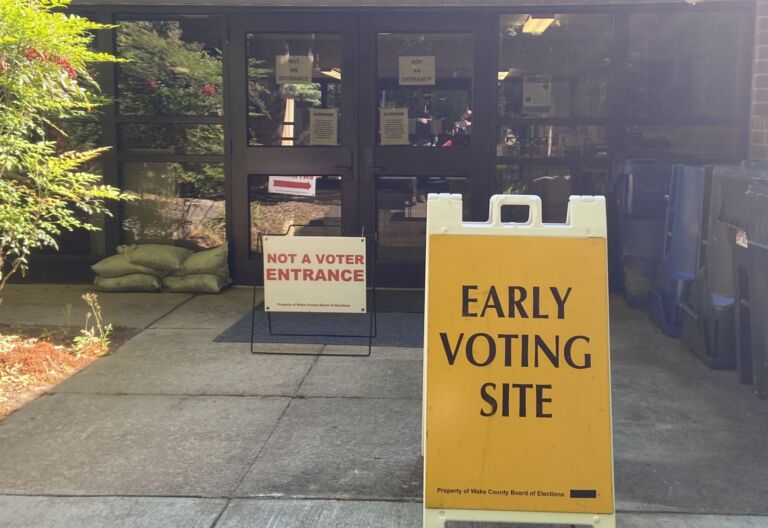
Reports indicate that the future of elections in North Carolina may hinge on rural Black voters who feel overlooked by the Democratic Party. This demographic represents a crucial segment of the electorate and could significantly influence upcoming election outcomes.
North Carolina is considered one of the pivotal states in American elections, characterized by its diverse population. However, rural Black voters express frustration over the lack of adequate support from the Democratic Party, which heavily relies on them during elections.
Event Details
In recent years, North Carolina has witnessed notable demographic changes, with an increase in the number of rural Black voters. Nonetheless, many of these voters feel that their needs and aspirations have not been adequately addressed by the Democratic Party, potentially leading to a decline in their support in the upcoming elections.
Polls show that rural Black voters tend to favor candidates who address their issues and express their concerns. However, the Democratic Party has struggled to present a clear vision that meets the needs of this group, exacerbating their feelings of neglect.
Background & Context
Historically, Black voters in the United States, particularly in the South, have represented a significant electoral force. However, over the years, they have faced substantial challenges in voicing their concerns and demands. In North Carolina, there have been numerous attempts to enhance voter rights, but challenges persist.
The elections in North Carolina exemplify how social and economic dynamics impact politics. With the growing economic divide between urban and rural areas, voters in rural regions feel marginalized, which may affect their electoral choices.
Impact & Consequences
If the Democratic Party continues to ignore the needs of rural Black voters, it may result in a loss of their support in the upcoming elections. This could negatively impact election outcomes, as voters may turn to alternative options, including candidates from the Republican Party or even independent candidates.
These dynamics are significant not only for North Carolina but for the United States as a whole, as they can influence the political balance in the country. If Black voters can better articulate their needs, it may lead to changes in policies that affect their daily lives.
Regional Significance
Although this event pertains to American elections, it has important implications for the Arab region. The challenges faced by Black voters in North Carolina reflect broader issues of discrimination and social justice that communities worldwide encounter.
These issues can serve as lessons for activists in the Arab region as they strive to promote their rights and engage effectively in the political process. Additionally, understanding electoral dynamics in the United States can help shape effective strategies for social and political change in the Arab world.